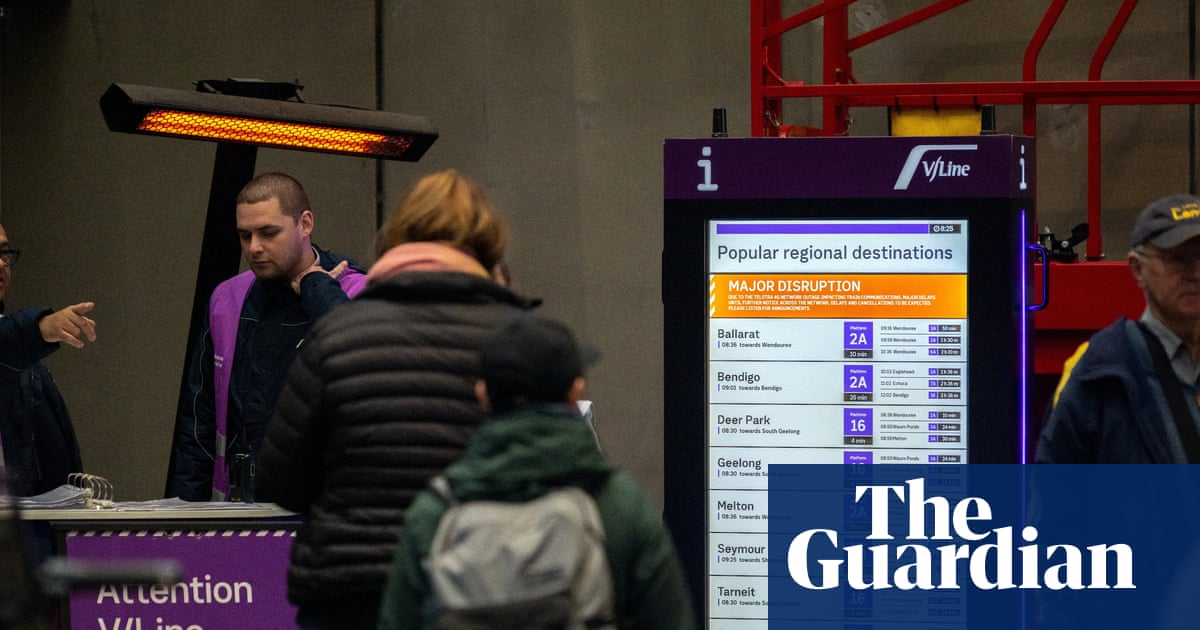
Telstra’s nationwide mobile outage on July 8 disrupted some triple-zero calls, transport and payments, prompting welfare checks and a formal regulator investigation.
Telstra is facing a formal regulatory investigation after a nationwide mobile outage disrupted voice and data services, interfered with some triple-zero calls and affected transport and payment systems across Australia on July 8.
The outage began around 4:30 a.m. AEST and was fully restored by about 4:00 p.m. AEST, Telstra said. The company said the disruption affected mobile calls and data across a network that serves about 25 million mobile services.
The incident quickly became a public-safety issue because some emergency calls to triple zero did not connect. Telstra said backup routing through other mobile networks was able to connect some calls, but not all, and the outage triggered welfare checks for people who had tried to reach emergency services.
What happened
Telstra said the outage was caused by a software defect affecting time-synchronization systems. The company said it had no evidence that the disruption was caused by malicious activity.
The technical failure spread beyond ordinary mobile use. Customers reported problems making calls and using data, while businesses that depend on mobile connectivity also felt the effects during the day-long outage.
Transport operators were also hit. The outage disrupted regional rail services in Victoria and New South Wales, adding to the scale of the disruption and showing how a telecom failure can cascade into other critical services.
Telstra said it carried out 333 welfare checks on people who attempted to call triple zero during the outage. The company said 6 people required immediate assistance.
The emergency-call impact has made this more than a routine network fault. Emergency reliability is one of the most sensitive obligations for a telecom operator, and the outage has raised immediate questions about how quickly the problem was identified and contained.
Regulator scrutiny
The Australian Communications and Media Authority said it would investigate the outage. Federal ministers also said the episode warranted further investigation and accountability.
That scrutiny is likely to focus on both the technical failure and Telstra’s handling of the incident. One open question is whether Telstra notified authorities within the required timeframe.
The response will also be assessed for how it handled emergency-call routing, welfare checks and communication with regulators and government as the outage unfolded.
Why it matters
Australia’s reliance on Telstra means a single network failure can affect emergency services, commuters and businesses at the same time. This outage exposed that concentration risk in a way that was immediately visible to the public.
It also landed in a period of heightened scrutiny around telecom resilience and emergency-call handling. That makes the consequences potentially broader than the outage itself, especially if the investigation finds reporting or compliance failures.
For customers, the immediate concern is whether emergency calls were missed and whether the network safeguards worked as intended. For regulators, the key issue is whether the event was only a technical failure or also a failure of process and escalation.
What remains unresolved
Several questions remain unanswered. Telstra has not publicly detailed the exact software defect that triggered the time-synchronization failure.
It is also unclear how many triple-zero calls failed to connect in total, whether anyone was harmed as a result of the outage, and what enforcement action, if any, may follow the ACMA inquiry.
Further reporting is expected as authorities examine the technical root cause, Telstra’s notification timeline and the company’s emergency-call safeguards.
Revision note
Expanded into a full initial article with chronology, public-safety impact, regulator scrutiny and unresolved questions.