Telstra’s July 8 outage disrupted mobile service across Australia and affected some triple-zero emergency calls, prompting regulatory and political scrutiny over network resilience and emergency-call handling.
Telstra is facing intense scrutiny after a major mobile outage on July 8 disrupted service across Australia and affected some triple-zero emergency calls.
Reporting says the failure began around 4:30am AEST and lasted for several hours. Services were partly restored by morning and were largely back by late afternoon.
The incident has raised immediate public-safety concerns because triple-zero is Australia’s emergency-calling system. Even a short interruption can have serious consequences when people are trying to reach police, ambulance or fire services.
What happened
Multiple reports said the outage went beyond a routine mobile-service interruption. Customers reported lost voice and data access, and the disruption spread across different states.
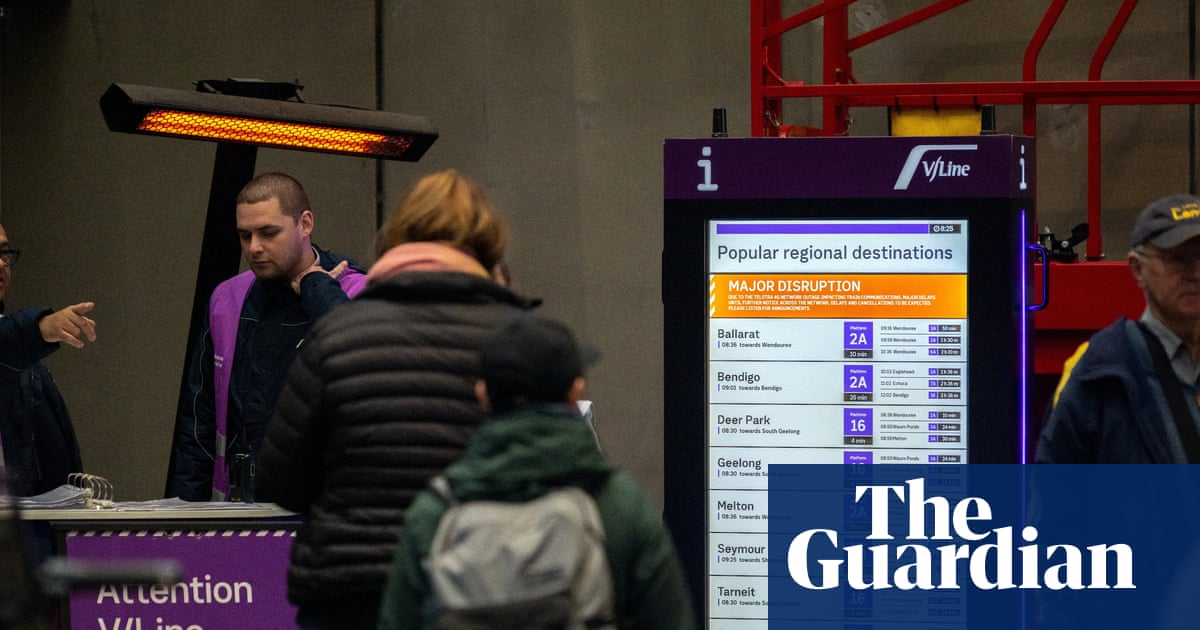
Reporting also said the outage affected other services, including transport and payment systems. That widened the impact beyond mobile customers and made the failure more visible across daily life.
Telstra has said there was no evidence of malicious activity or a cyberattack. Public reporting instead points to a software defect or glitch linked to time synchronisation inside Telstra systems.
The exact technical chain is still not fully clear. Reporting has not yet pinned down the precise system or process that failed inside the time-synchronisation chain.
Emergency-call impact
The most serious consequence was the effect on triple-zero calling. Multiple reports say some emergency calls could not get through during the outage, although the exact total has varied by outlet.
Reporting also says welfare checks were carried out for people whose calls were affected. The full number of failed calls and the outcomes of those checks have not yet been confirmed publicly.
Because Telstra plays a central role in emergency-call routing, the outage has immediately become a public-safety issue as well as a network failure.
Regulatory scrutiny
The Australian Communications and Media Authority is expected to examine the outage timeline, the restoration process and Telstra’s handling of emergency-call obligations.
Communications Minister Anika Wells has also been drawn into the fallout, alongside Prime Minister Anthony Albanese, reflecting the political sensitivity of emergency-network failures.
Reporting says the outage could lead to compliance findings or penalties if investigators conclude Telstra breached its obligations. Some coverage also described possible fines being discussed.
The scrutiny is not limited to Telstra’s technical response. Regulators and ministers are also likely to focus on whether the outage exposed a broader resilience problem in critical telecom infrastructure.
What comes next
The key questions now are how many emergency calls failed, how far the outage spread beyond mobile users and whether Telstra’s incident response met legal and operational standards.
Investigators are also expected to review the software and time-synchronisation problem in more detail and determine whether it points to a deeper vulnerability in the network.
For now, the outage stands as both a technical failure and a public-safety event, with pressure building for a fuller explanation from Telstra and a formal review from regulators.
Revision note
Initial automated publication.