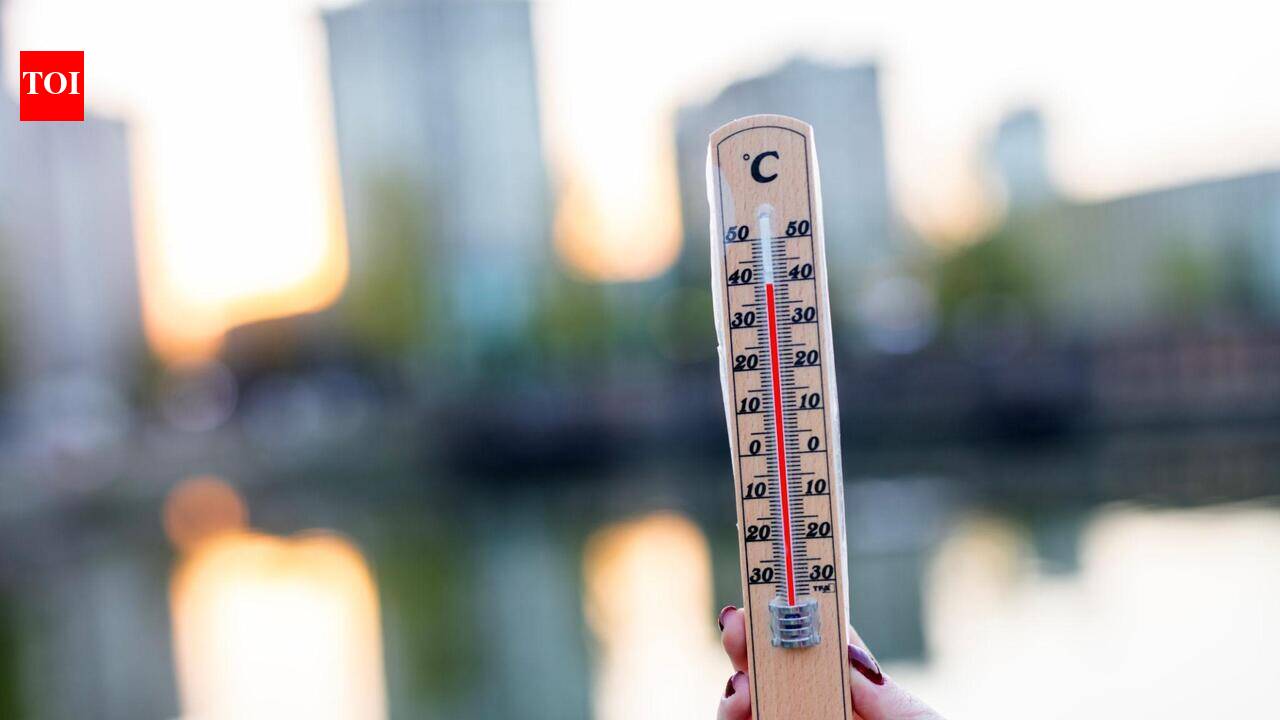
Forecasters say temperatures could reach 35C to 36C in parts of England as the UK enters its third heatwave of 2026, with amber heat-health alerts in place across multiple regions.
Peak heat forecast
Temperatures in parts of England are expected to climb to around 35C to 36C as the UK moves through its third heatwave of 2026, according to current reporting.
The latest forecasts put the hottest conditions on the near-term peak of the spell, rather than later in the summer. The exact top temperature is still uncertain, but the warnings point to a very hot day in several areas rather than a slow build-up over many days.
Reports published on July 9 say the 36C mark is the main benchmark being watched. That would make it one of the hottest periods of the year so far and raise the likelihood of health and infrastructure pressures in affected areas.
Health warnings in force
Amber heat-health alerts have been issued across multiple English regions, according to the reporting. The alerts are intended to reduce the risk of heat-related illness, especially for older adults, people with pre-existing conditions and others who are more vulnerable in sustained high temperatures.
The UK Health Security Agency and the Met Office are the key bodies behind the public-health messaging and weather monitoring. Coverage indicates the warning window covers large parts of England, although the precise regional breakdown has varied slightly between reports.
The public advice remains the standard heat guidance: stay hydrated, keep out of direct sun where possible, cool indoor spaces, and check on neighbours, relatives and others who may struggle to cope in the heat.
Why this heatwave matters
Heat-health alerts are not only a warning for people already at higher risk. They are meant to flag conditions that can affect the wider population if temperatures stay high long enough or if nights remain unusually warm.
That is why the current forecast is being treated as a public-interest story rather than a routine weather update. The possible effects go beyond discomfort and include extra pressure on health services, especially if the heat persists through the peak period.
Coverage has already pointed to increased demand on the NHS, including more pressure on GPs and ambulances. Those effects can intensify quickly during hot spells, particularly when vulnerable people become dehydrated or struggle to manage existing conditions.
Wider knock-on effects
The heatwave is also being linked in coverage to possible disruption beyond healthcare. Reported impacts include school closures, water shortages, wildfire risk in dry areas and strain on power supply margins.
Those pressures are not uniform across the country, but they widen the stakes around the forecast. Dry ground and high demand can increase the chance of local incidents, while prolonged heat can push public services and infrastructure closer to their limits.
The concern about power supplies adds another layer of pressure during a period when electricity demand can already rise because of cooling needs. Grid margins tend to come under closer watch during sustained heat, especially when there is little overnight relief.
Chronology and what to watch next
The timeline in current reporting is straightforward: same-day coverage on July 9 identified the heatwave peak, the amber alerts and the risk of a 36C day. The latest reports also suggest the warnings remain active as the hottest spell approaches.
The main open question is whether temperatures actually reach 36C, or edge higher in any local area. Another is how long the hottest conditions last before the heat eases.
Officials and forecasters are likely to update the alert picture as conditions evolve. If the heat strengthens, the amber warnings could be extended or upgraded; if the peak passes more quickly than expected, the guidance may be wound down sooner.
For now, the story is centred on a short-term extreme-heat forecast with immediate public-health implications. The most important next developments are the peak temperature, any change to the alerts and any confirmed reports of disruption in schools, transport, water supply or the energy system.
Revision note
Initial automated publication.