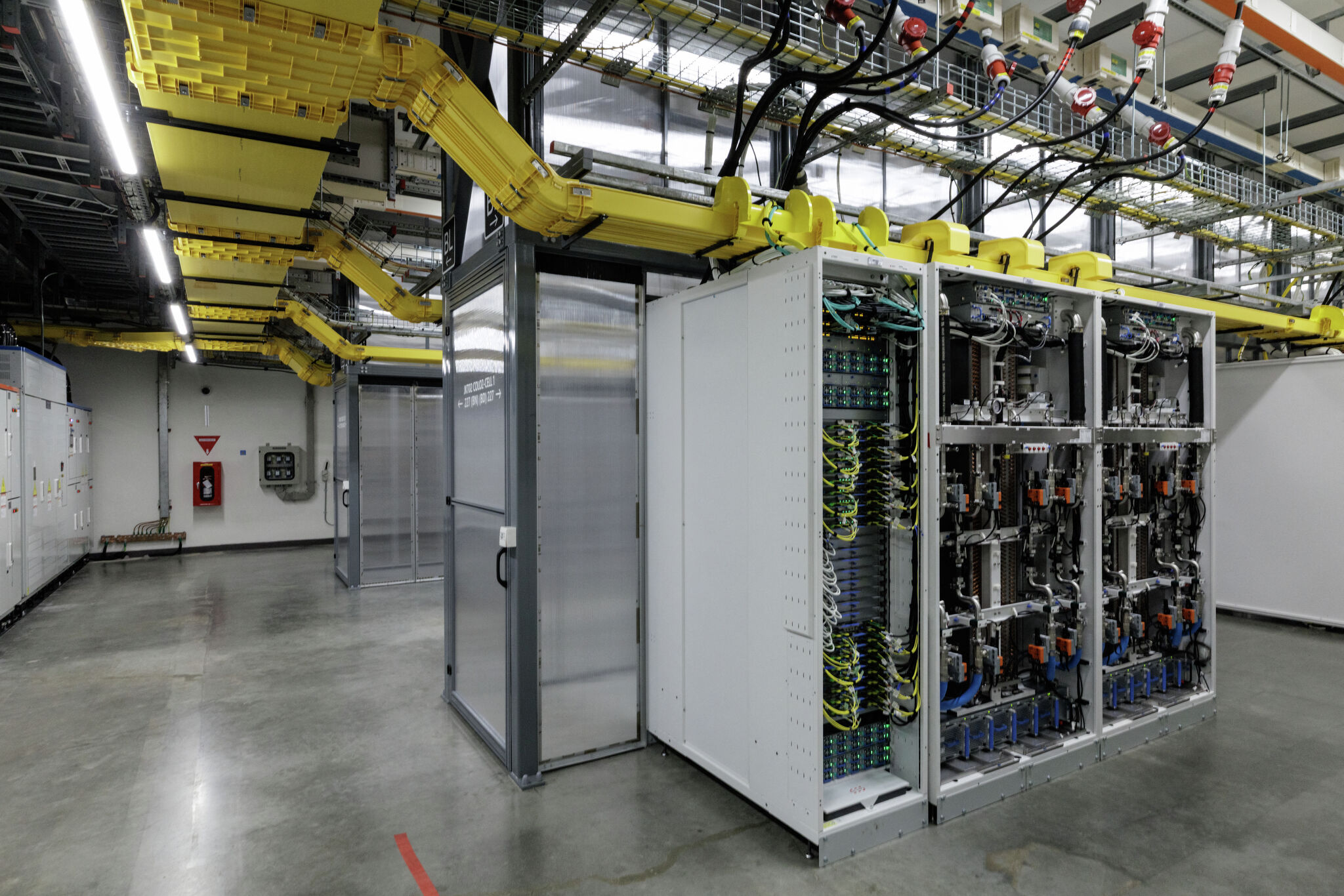
About 500 people packed a Lubbock City Council informational meeting and 67 speakers urged city leaders to pause future data center projects, citing water use, neighborhood impacts and public health concerns.
At a packed Lubbock City Council meeting Tuesday night, about 500 people showed up and 67 speakers urged city leaders to slow down or impose a moratorium on future data center projects.
The turnout turned what city officials described as an informational session into a wider Texas public-policy fight over water use, zoning, neighborhood impacts and how much authority local governments actually have over large technology projects.
A crowded council meeting
Mayor Mark McBrayer opened the meeting by saying the council wanted to hear residents' biggest concerns and different perspectives. He also said the city has not approved any data centers and does not currently have a proposal before the council for a vote.
The meeting at the Memorial Civic Center was not a hearing on a specific project. Even so, the public comment period drew a large crowd, with residents and activists using the forum to argue that the city should act before a formal proposal arrives.
Many of the speakers urged the council to pause future data center development or adopt a formal moratorium. Their concerns centered on water demand in a drought-prone part of Texas, as well as noise, lighting, public health, neighborhood disruption and broader quality-of-life effects.
What the city can control
Assistant City Manager Eric Rugino told attendees that the city can regulate some parts of a project, including annexation, zoning, noise mitigation, lighting, infrastructure requirements and utility service agreements.
He said the city does not control ERCOT, state electric policy, state tax incentives or broader property rights. That distinction is central to the debate in Lubbock and beyond: cities may be able to shape where projects go and how they operate, but not the larger state-level incentives that make them attractive.
For residents, that limited authority is part of the problem. For city leaders, it raises the question of how far local rules can go without colliding with state policy.
Why the backlash is spreading
Lubbock is not isolated. Across Texas, communities are increasingly confronting data centers as a land-use and infrastructure issue, not just a business development story. The projects can bring investment, but they also raise questions about power demand, water consumption and whether existing neighborhoods should absorb the burden.
That broader context helps explain why a meeting with no pending proposal still drew such a large turnout. Residents are reacting not only to one possible development, but also to the scale and pace of data center expansion in the state.
State leaders have also been considering broader rules around data centers, electricity costs and water supplies, but the political calendar leaves limited room for quick action. That pushes much of the immediate debate back to city halls.
What happens next
For now, the immediate question is whether the council follows the meeting with a formal hearing, study or moratorium language. Residents who spoke Tuesday clearly want the city to put guardrails in place before a project is filed.
Another open question is whether a specific data center proposal will be submitted in Lubbock or nearby jurisdictions. If that happens, the city is likely to face pressure to define zoning, noise, lighting and utility requirements more clearly.
Until then, the Lubbock meeting stands as an early sign of how quickly data centers are becoming a live public-policy fight in Texas, especially where water and local control are already sensitive issues.
Revision note
Expanded initial publication with fuller chronology, local authority details and Texas policy context.