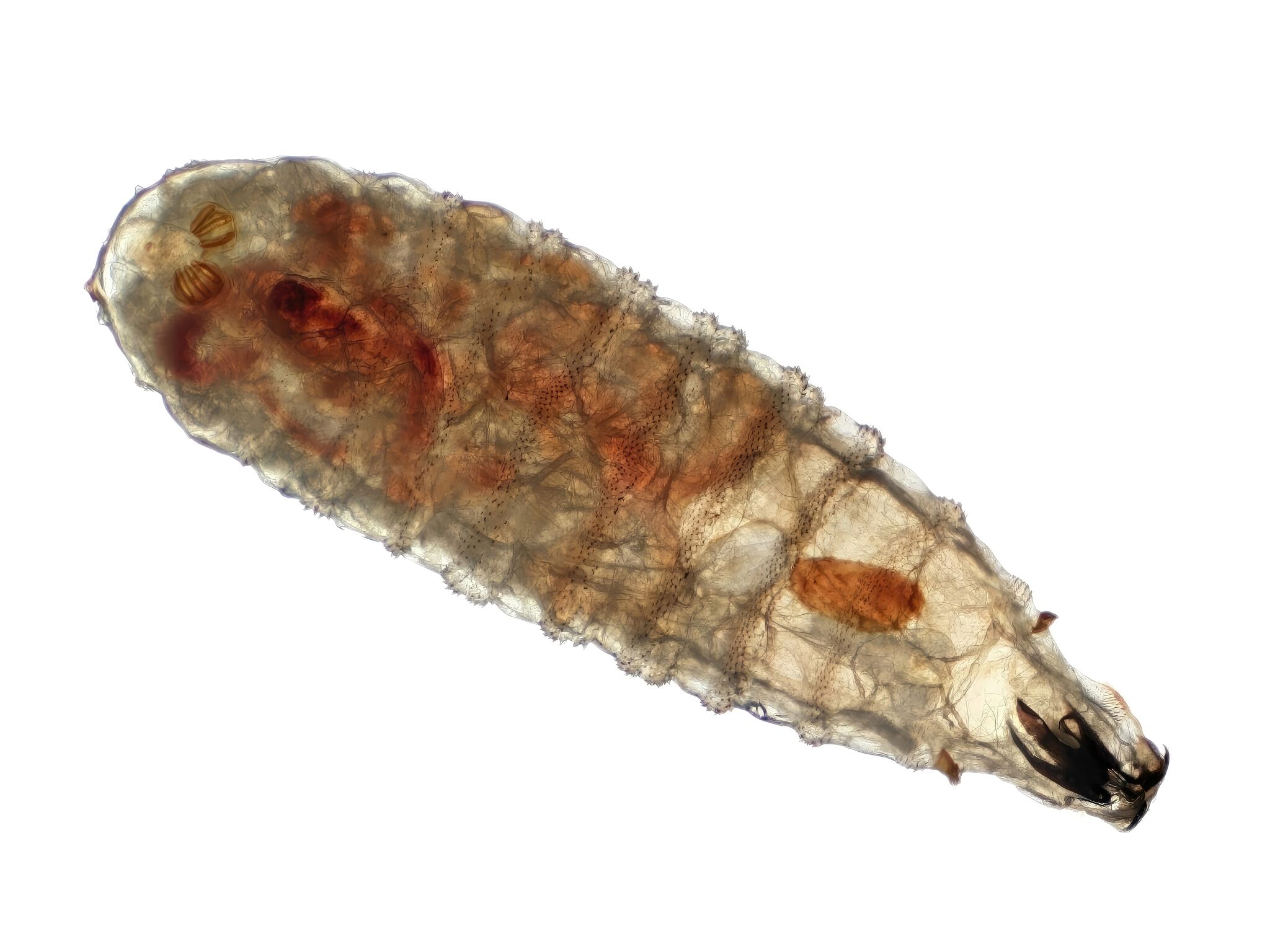
Texas A&M AgriLife will take part in a $105 million USDA research push on New World screwworm, with projects spanning sterile fly production, traps, treatments and surveillance tools.
Texas A&M AgriLife says it will receive a share of $105 million in USDA funding for New World screwworm research, adding a major research arm to the federal response to a parasite that has renewed concern in Texas and across the U.S. cattle industry.
The announcement, reported June 26, comes as USDA expands its New World Screwworm Grand Challenge, a research push designed to strengthen eradication and response tools. AgriLife said the funding will support work in four broad areas: sterile fly production, traps and lures, therapeutics and treatments, and preparedness and response tools such as repellents, ecological modeling and wildlife surveillance.
AgriLife said it was selected to lead seven proposals and contribute to seven more, out of 226 applications. The institution also said it is pursuing a separate USDA-funded Grand Challenge project focused on electron beam, or eBeam, sterilization as an alternative to cobalt-60 gamma sterilization.
Why the funding matters
New World screwworm is a parasitic fly that can infest warm-blooded animals and cause serious harm to livestock. The pest was previously eradicated from the United States, but recent detections in Texas have brought it back into focus as an active animal-health threat in the Southwest.
The current response is aimed at stopping spread before the parasite becomes more entrenched. USDA has been working with state and industry partners on containment, surveillance and sterile-insect strategies, all of which are intended to slow movement and reduce the chance of wider outbreaks.
Texas A&M AgriLife’s role matters because it gives the federal funding push a strong Texas research presence at a moment when ranchers and livestock owners are closely watching the outbreak and its economic risks. Faster detection, stronger control tools and better response planning could help limit production losses and animal-health costs if the parasite spreads further.
From outbreak response to research push
The funding announcement sits on top of a timeline that has moved quickly. USDA confirmed a New World screwworm case in a Texas calf on June 4, then confirmed additional detections on June 8, widening concern about spread in the state.
By June 26, the focus had shifted beyond immediate containment to longer-term research and eradication planning. The Grand Challenge funding is meant to accelerate work on the tools that could be used in the field, including better sterile fly production, improved lures and traps, and treatment options if animals are exposed.
That chronology helps explain why the funding drew attention quickly. What began as a series of outbreak confirmations in Texas has now become a broader effort to rebuild the science and infrastructure needed to keep screwworm from reestablishing itself.
What AgriLife will work on
AgriLife said the USDA effort is organized around four research priorities. One is sterile fly production, a core part of the sterile-insect technique used in past eradication campaigns.
Another area is traps and lures, which are meant to help detect and monitor the parasite more effectively. A third is therapeutics and treatments, aimed at improving how infected animals can be managed.
The fourth area is broader preparedness and response work. That includes repellents, ecological modeling and wildlife surveillance, all of which can help officials understand where the pest may move and how to respond if it reaches new areas.
AgriLife said its teams were selected to lead seven proposals and contribute to seven more. The institution said those awards came from 226 applications, underscoring how competitive the research process was.
In addition to that work, AgriLife is involved in a separate USDA-funded Grand Challenge project studying eBeam sterilization. Researchers are looking at electron beam technology as a possible alternative to cobalt-60 gamma sterilization, which could matter for future sterile-fly production systems.
The bigger USDA response
USDA’s broader screwworm response has been building for months. The agency has been emphasizing sterile-fly strategies as one of the central ways to suppress the parasite and keep it from spreading.
Broader reporting has also described the federal government’s plans to expand sterile fly production capacity in Texas, reflecting how seriously officials are treating the risk to cattle and other warm-blooded animals. The new research money fits into that larger framework rather than standing alone.
For Texas ranchers, the practical question is whether the research will translate into field-ready tools fast enough to matter. The answer will depend on how quickly the selected projects can move from proposal stage to tests, and from tests to deployment.
What comes next
USDA may still announce additional project details or partners under the Grand Challenge, including the full list of funded projects and their lead institutions. AgriLife researchers may also publish more specifics about the seven proposals they are leading and the seven projects they are supporting.
Officials are expected to keep monitoring new animal cases and evaluating whether quarantine, surveillance and sterile-fly measures are slowing the outbreak. The core issue now is whether the research funding can help prevent a contained Texas problem from becoming a broader livestock threat.
For ranchers, livestock owners and animal-health officials, the stakes are straightforward: faster detection, better control methods and a lower chance that an eradicated pest becomes entrenched again in the U.S.
Revision note
Initial automated publication.