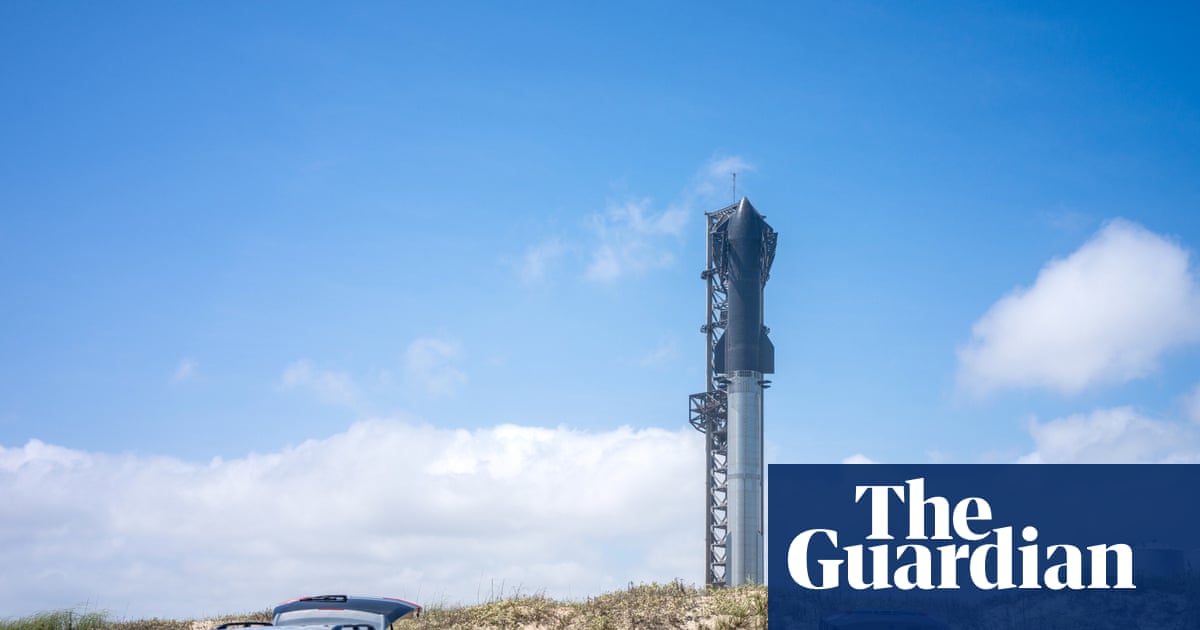
The Texas Supreme Court unanimously ruled that environmental and Indigenous groups lacked standing to sue over SpaceX-related Boca Chica Beach closures, leaving a lower-court dismissal with prejudice in place.
The Texas Supreme Court has unanimously rejected an attempt by environmental and Indigenous groups to stop SpaceX-related closures of Boca Chica Beach, leaving in place a lower-court dismissal with prejudice.
The ruling resolves a threshold legal question rather than the larger policy fight over whether the beach and nearby roadway should be closed for launches at SpaceX’s Starbase site. In practical terms, the court said the plaintiffs could not use this lawsuit to enforce the beach-access rights they cited.
Justice Rebeca Huddle authored the opinion, according to reporting on the decision.
What the court decided
The justices held that the groups lacked standing to sue over the closures. That means the court concluded they were not the proper parties to bring this particular case, so the justices did not reach the broader merits of whether the closures themselves are lawful.
Because the lower court had dismissed the case with prejudice, the same claims cannot simply be refiled in revised form. For the challengers, that closes off this lawsuit as a route to immediate relief.
For SpaceX, the ruling removes one legal obstacle to continuing to seek temporary beach closures during launches. It does not end future litigation or political debate over the practice, but it preserves the current legal framework in this case.
How the dispute began
The lawsuit was filed in 2021 by Save RGV and later expanded to include the Sierra Club and the Carrizo/Comecrudo Tribe of Texas. It targeted Texas General Land Office commissioner Dawn Buckingham, Cameron County, and related state and county actions tied to closures during SpaceX launch operations.
At the center of the dispute is Boca Chica Beach and State Highway 4, the only road access to the beach. Repeated launch-related closures have made the area a recurring flashpoint in South Texas.
The case developed over several years as SpaceX’s Starbase site became more central to launch activity and as environmental and Indigenous groups continued to argue that the closures interfere with public access.
Legal backdrop
The challengers said the closures violated the Texas Constitution’s beach-access protections, which were adopted in 2009. They argued that the practice effectively gives a private company control over access to a public Gulf Coast beach.
State officials defended the closure regime, including the Texas attorney general’s office. Their position relied in part on a 2013 state law, House Bill 2623, which allows temporary beach closures for spaceflight activities.
That legal framework has been important to SpaceX’s operations in South Texas. The Supreme Court’s ruling leaves it intact in this lawsuit.
What it means now
The immediate effect is that this particular challenge is over. The ruling bars the plaintiffs from using the same case to keep pressing the beach-access argument in Texas courts.
It also means the broader fight moves elsewhere, whether through a different legal theory, another lawsuit, or a political response. The court’s standing ruling did not settle every argument over beach closures, but it did remove this case from the table.
The dispute remains sensitive because Boca Chica Beach is a heavily used Gulf Coast shoreline and State Highway 4 is the only roadway reaching it. Each launch-related closure affects public access in a way that has drawn sustained scrutiny from local and statewide groups.
What comes next
The key open question is whether the plaintiffs will pursue any separate challenge to the closure regime. The ruling leaves room for a different legal path, but not for simply reviving this case.
Another question is how often Boca Chica Beach closures will be used in future Starbase operations under the current framework. That will depend on launch activity and the decisions state and local officials make when closures are requested.
SpaceX and Texas officials may also seek to frame the ruling as validation of the existing process for launch-related closures. Opponents are likely to keep arguing that public beach access remains too vulnerable to private space operations.
For now, the Texas Supreme Court has left the dismissal in place, and the fight over Boca Chica Beach continues outside this lawsuit.
Revision note
Initial automated publication.