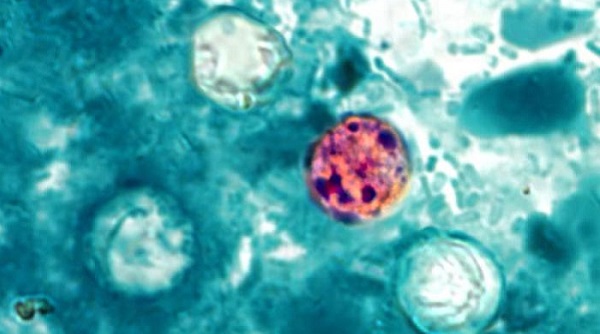
Texas health officials reported 48 cyclosporiasis cases from May 1 through July 6, with five hospitalizations and no deaths, while Bexar County separately confirmed at least 10 cryptosporidium cases.
Texas health officials reported 48 cyclosporiasis cases across the state from May 1 through July 6, adding a new summer update to a parasite pattern that has been concentrated in South Texas and the San Antonio area. Five patients were hospitalized, and no deaths were reported.
The case count reflects a broader seasonal rise in cyclosporiasis, an intestinal illness caused by the cyclospora parasite. The infection is often linked to contaminated food or water and can cause severe diarrhea and dehydration.
Where the Texas cases were reported
The confirmed Texas cases were concentrated in South Texas counties including Live Oak, San Patricio, Nueces, Webb, Hidalgo and Cameron. Cases were also reported in Medina, Bexar and Comal counties near San Antonio.
Earlier Texas coverage had already pointed to Corpus Christi as a major cluster area, showing that the state’s summer increase has not been limited to a single county or local health district. The reporting does not identify a single source for the illnesses.
Separate cryptosporidium cases in Bexar County
The cyclosporiasis update is unfolding alongside a separate cryptosporidium cluster in Bexar County reported by University Health in San Antonio. The Express-News reported that at least 10 cryptosporidium cases had been confirmed in the county.
Cryptosporidium is another intestinal parasite that can spread through contaminated water and fecal-oral transmission. In summer, that makes public pools and other recreation settings a plausible exposure concern for health officials.
What officials have said, and what remains unknown
The available reporting does not say whether the Bexar County cryptosporidium cases are tied to one pool or multiple venues. It also does not say whether Texas cyclosporiasis counts continued to rise after July 6.
That leaves the situation as a developing public-health story rather than a closed investigation. Officials are still watching for additional cases, possible exposure links and any guidance related to food handling, hygiene or pool use.
What to watch next
The main next questions are whether Texas case counts climb further, whether investigators identify a common source, and whether local or state health officials issue more specific prevention guidance.
For now, the public-health concern is twofold: preventing more cyclospora infections through food and water safety, and limiting cryptosporidium spread in settings where contaminated water can expose many people at once.
Revision note
Initial automated publication.