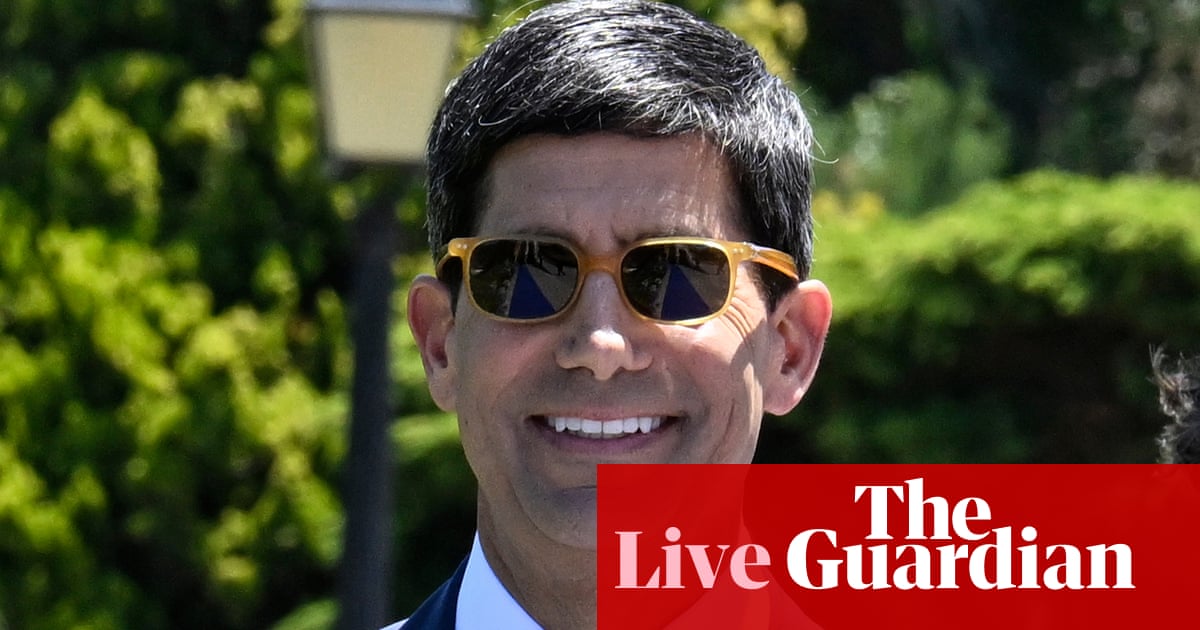
New July 1 reporting says the inflation, rate and growth assumptions that shaped the start of 2026 have broken down under pressure from AI investment, Iran-related energy effects and shifting labor dynamics. Fed Chair Kevin Warsh said inflation risks have eased, but the outlook remains unsettled.
The economic script that shaped the start of 2026 is no longer holding up. Forecasts built around steadily cooling inflation, lower interest rates and a smoother labor market have been overtaken by a faster-moving mix of AI investment, geopolitics and labor-supply changes.
That is the message running through new July 1 reporting, which argues that the assumptions guiding economists and investors at the beginning of the year have broken more quickly than expected. The result is a less predictable outlook for inflation, growth and the Federal Reserve’s next moves.
A year that started with easing expectations
At the start of 2026, the broad expectation was that inflation would keep easing and that the Fed would have room to move rates lower over time. That view was tied to a softer landing story: slower price pressure, steady growth and a labor market that would gradually rebalance without a recession.
Instead, the first half of the year has produced a more complicated mix. Some pressures have eased, but others have emerged or intensified, and they do not point in the same direction. That is why the old baseline is looking less useful as a guide for the second half of the year.
AI spending has become a macro variable
One of the clearest changes is the scale of AI infrastructure investment. Axios reported that AI-related spending accounted for about 0.8 percentage points of the U.S. economy’s 2.1% annualized first-quarter growth, which shows how much the sector is now affecting headline GDP.
That is not just a growth story. AP reported that Fed Chair Kevin Warsh tied short-term inflation pressure in part to AI infrastructure investment, pointing to demand for power, equipment and other constrained resources. In other words, the same spending that supports growth can also keep some prices elevated.
The Bank for International Settlements has added to that concern. Reuters reported on June 28 that the BIS warned the five largest hyperscalers are on course to spend more than $1 trillion on AI-related capital expenditure in 2025 and 2026. The BIS said that if demand underdelivers, the sector could face overinvestment risks and the broader financial system could feel the strain.
Iran and oil still matter
The energy backdrop is calmer than it was during the worst of the Iran scare, but it is still part of the macro story. Reuters reported that U.S.-Iran talks were continuing in Doha and that Brent crude had fallen back to roughly $72 a barrel, near pre-war levels.
Even so, the earlier shock mattered. In March, the OECD warned that a prolonged Iran conflict could lift U.S. inflation to 4.2% in 2026 and slow growth. That forecast captured how quickly energy can change the inflation path when geopolitical risk rises.
The recent fall in oil prices has eased some immediate pressure, but it has not restored the clean, linear outlook forecasters expected in January. Energy remains a source of volatility, especially if diplomacy wobbles again.
Warsh signals a narrower inflation threat
On July 1 in Sintra, Warsh said inflation expectations and inflation risks have come down in recent weeks. He also reaffirmed the Fed’s 2% inflation goal and declined to give forward guidance.
That combination matters. It suggests the central bank is still focused on price stability, but also that officials are not locking themselves into a fixed rate path while the data are still shifting.
AP reported that Warsh framed the discussion around Fed independence and inflation control, while also acknowledging the short-term inflationary effect of AI infrastructure investment. The message was less about a decisive turn than about a still-fluid policy environment.
Labor assumptions are shifting too
The labor market is another reason the early-year assumptions have become less reliable. The research packet says the economy began the year with a broad expectation that hiring would remain orderly and inflation would keep drifting down, but labor-supply shifts have complicated that picture.
That makes the July 2 U.S. jobs report a key near-term test. A resilient report would support the idea that the economy is still running hotter than many expected. A weaker reading would strengthen the case that growth is slowing and that some of the current macro tension is easing on its own.
Why forecasters are revising the map
Taken together, the pressure points are changing the way economists have to think about 2026. AI spending is supporting demand, but it is also creating bottlenecks in power, equipment and related inputs. Geopolitical risk has shown it can still move energy prices quickly. Labor conditions are less predictable than the start-of-year script assumed.
That is why the original soft-landing narrative now looks too tidy. It assumed inflation would keep cooling, growth would stay stable and rate cuts would follow in a fairly orderly sequence. The new data suggest those variables are interacting more messily than expected.
For the Fed, that means the balance between inflation and growth is still unsettled. If inflation remains sticky, policy room stays limited. If oil stays calm and labor data soften, rate cuts could come back into view. For now, officials are clearly waiting for more evidence.
For investors, the implication is that 2026 rate expectations may need to stay more flexible than they were in January. Forecasts built around a single direction for inflation or growth are proving too brittle.
For households, the stakes are more immediate. Power demand, equipment costs and renewed energy volatility can still filter into prices, even if the broader oil market looks calmer than it did during the peak of the Iran-related scare.
The next few data points will decide whether this is a temporary reset or a permanent rewrite. The jobs report on July 2, more Fed commentary and any new movement in oil or U.S.-Iran diplomacy will help determine whether the broken assumptions of early 2026 are now the baseline for the rest of the year.
Revision note
Initial automated publication.