Several California laws take effect July 1, including standardized food-date labels, school smartphone policies, restaurant allergen disclosures and local wage increases.
California is rolling out a wide set of new laws on July 1, with changes that reach grocery shelves, school campuses, restaurant menus and some city payrolls.
The most visible updates include standardized food-date labels, a requirement that school districts limit smartphone use on campus, and a new allergen-disclosure rule for qualifying restaurant chains. Coverage also points to local minimum-wage increases and other enforcement changes arriving the same day.
Food labels and waste
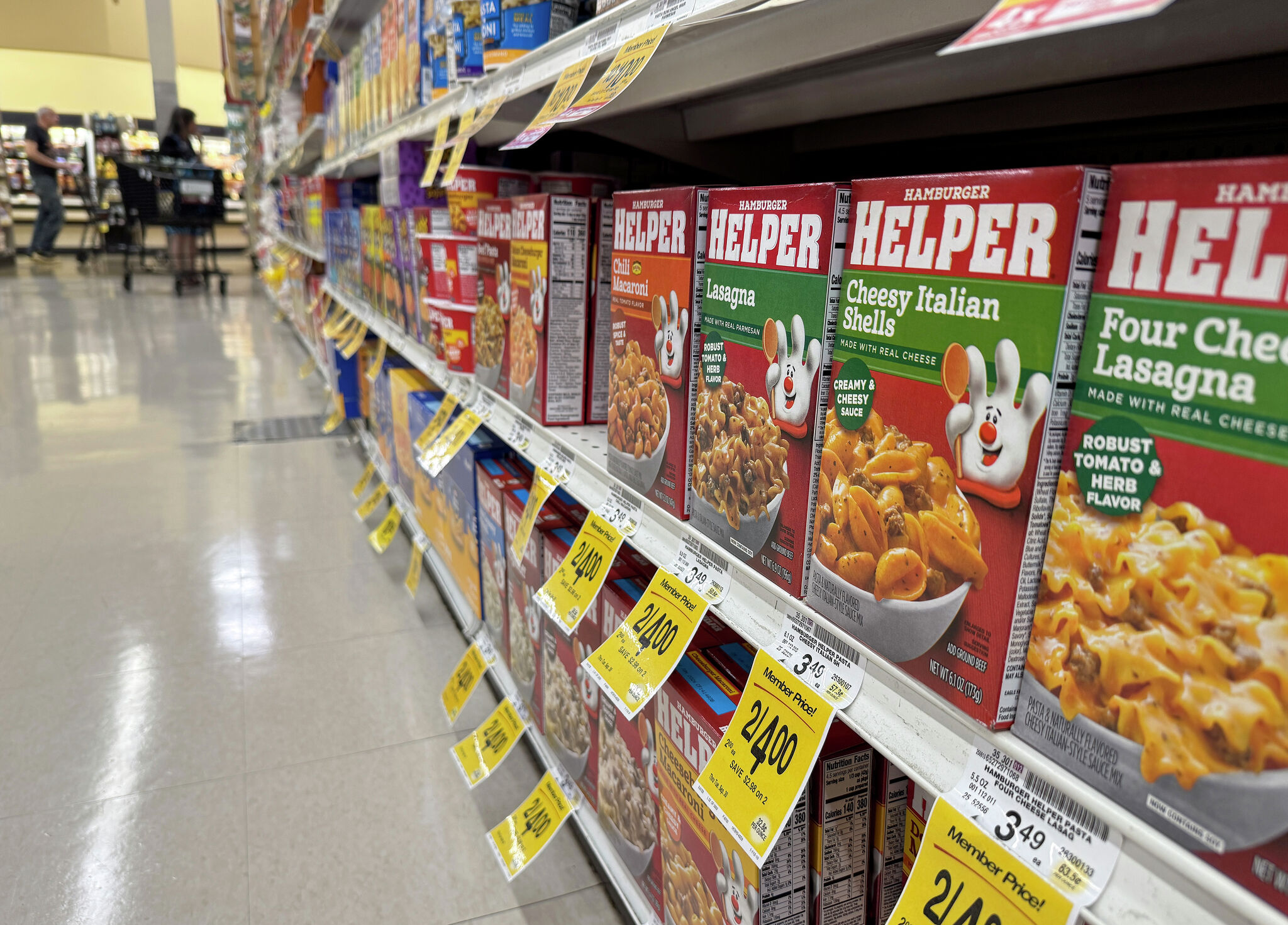
One of the broadest consumer changes is California's food-date labeling law. The state is moving to standardize package date language to “Best if Used By” or “Use By”, while barring many other phrases such as “Sell by” and “Expires On.”
Supporters of the rule have framed it as a way to reduce confusion about whether food is actually unsafe or simply past a suggested freshness date. The law is also meant to help cut avoidable food waste.
The change is not universal. Coverage notes exemptions for eggs, infant formula and alcoholic beverages.
School phone policies
California's Phone-Free Schools Act also takes effect July 1. The law requires school districts to adopt policies limiting smartphone use on campus.
The policy push is aimed at reducing the impact of smartphones on student mental health and academic performance. Districts now have to finalize or update their rules and put them into practice.
Gov. Gavin Newsom signed the measure last year, and reporting at the time said the state was responding to concerns about classroom distraction and the broader effects of constant phone use on students.
Restaurant allergen disclosure
A separate law will require qualifying restaurant chains to make allergen information more explicit. It applies to chains with 20 or more locations nationwide that have at least one California location.
Those restaurants must identify the “Big 9” allergens: milk, eggs, fish, shellfish, tree nuts, wheat, peanuts, soybeans and sesame. Coverage says the disclosures can appear on menus, through QR codes or in printed materials, but a non-digital option is required when the information is provided digitally.
The rule adds a new compliance burden for large chains, but it also gives allergy-sensitive diners clearer information before they order. That makes it one of the most direct public-safety changes in the July 1 package.
Other July 1 changes
The July 1 wave also includes minimum-wage increases in some California cities, including Emeryville. That means some workers will see immediate pay changes as employers update payroll systems and workplace postings.
Coverage also identifies Waymo and other autonomous vehicles as subject to traffic enforcement under a separate July 1 law. It is part of a broader set of transportation and enforcement changes arriving on the same effective date.
Taken together, the new laws show how much can change on a single day in California. The package spans consumer labels, school rules, restaurant compliance, labor policy and traffic enforcement.
For Californians, the practical effects begin now. Schools need phone policies in place, qualifying restaurant chains need new disclosure systems, food companies and retailers need to align label language, and employers in cities with wage increases need to reflect the new rates immediately.
Revision note
Initial automated publication.