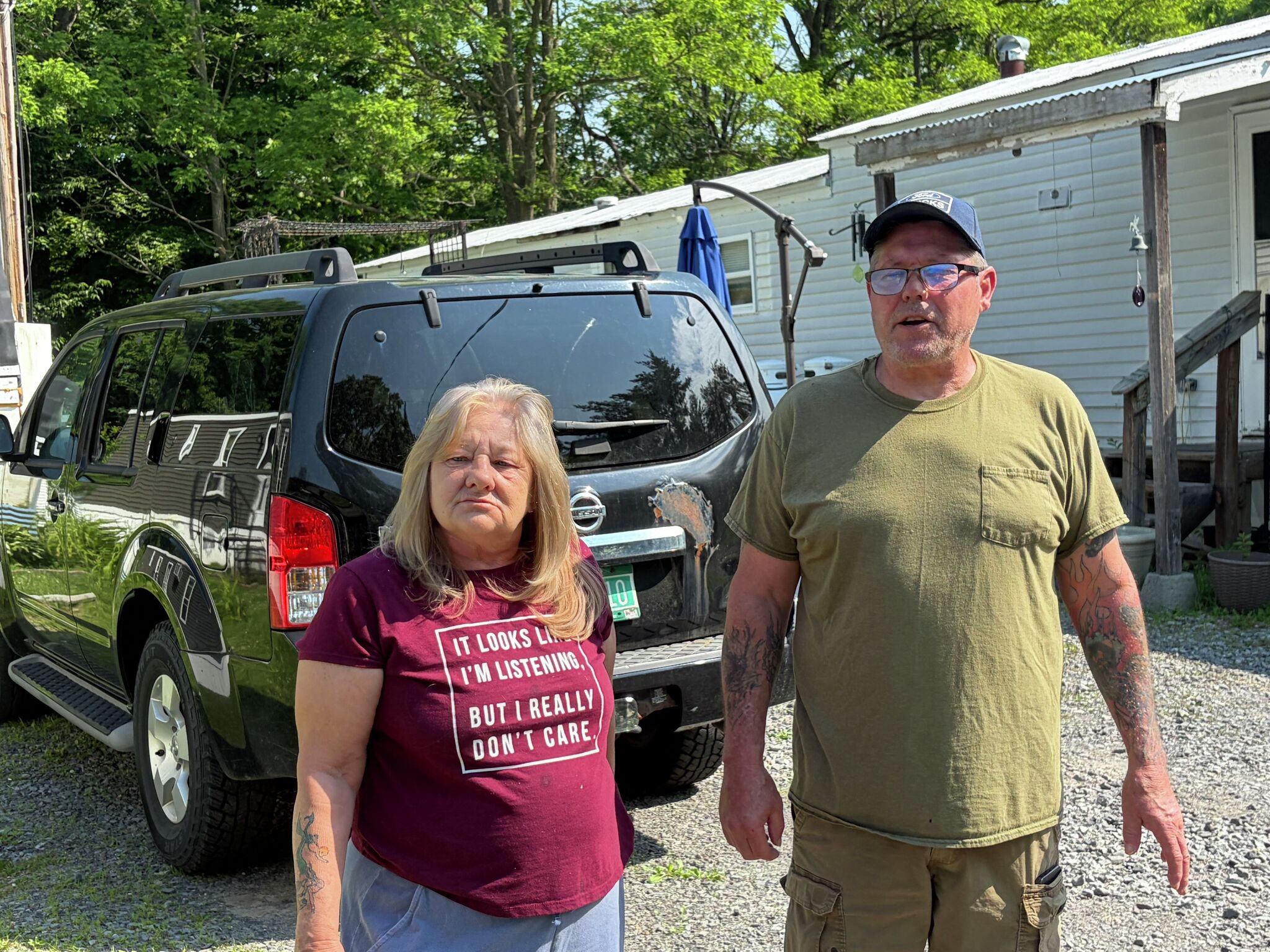
Residents of Hillcrest Villas in Duanesburg, New York, are still living under a boil-water advisory nearly 10 months after it was issued. Schenectady County says 75 households are affected, has set an enforcement deadline for park operators to address water deficiencies, and the county Human Rights Commission has opened an investigation.
Residents of Hillcrest Villas in Duanesburg, New York, are still living under a boil-water advisory nearly 10 months after county officials first warned that the park’s drinking water was unsafe without boiling.
Schenectady County Public Health Services issued the advisory in August 2025 after a resident reported a loss of water service. County records still showed it in effect as of June 3, 2026.
The situation affects 75 households, according to county spokeswoman Erin Laiacona. She said park operators have been providing potable water through an approved water operator while the advisory remains open.
County officials have now set a Sunday enforcement deadline for park operators to address deficiencies tied to both the quantity and quality of water available to residents. The county has not publicly explained why the advisory has lasted so long or given a timeline for lifting it.
A long-running warning
Boil-water advisories are usually short-term precautions while a system is tested, repaired or brought back into compliance. At Hillcrest Villas, the advisory has stretched far beyond that pattern, leaving residents waiting for a resolution since August 2025.
The park is on Western Turnpike. Residents told the Times Union that the prolonged advisory and limited communication have become increasingly difficult to live with.
Patrick Loucks, Mary Scanlon and Kathleen Sprung were among the residents quoted in the report. They said the uncertainty around the water supply had become intolerable.
County enforcement and oversight
Laiacona said the county’s enforcement deadline is meant to push the park’s operators to fix the underlying problems. She said the deficiencies involve both water quantity and water quality, though officials have not said which specific issues still need to be resolved.
Arthur Butler, executive director of the Schenectady County Human Rights Commission, said the commission has begun investigating complaints related to the situation. He said he planned to meet with residents and did not know why the boil-water advisory had lasted so long.
The commission’s involvement adds another layer of scrutiny to a problem that has already outlasted the kind of temporary disruption that boil-water advisories are usually meant to address.
What happens next
The immediate question is whether the park operators meet the county’s deadline and what enforcement step follows if they do not. County officials have not publicly laid out the next move.
It remains unclear when the advisory will be lifted, or what specific repairs or testing results county officials are still waiting on. For now, residents remain dependent on alternate water arrangements while the county press for answers continues.
,Revision note
Initial automated publication.