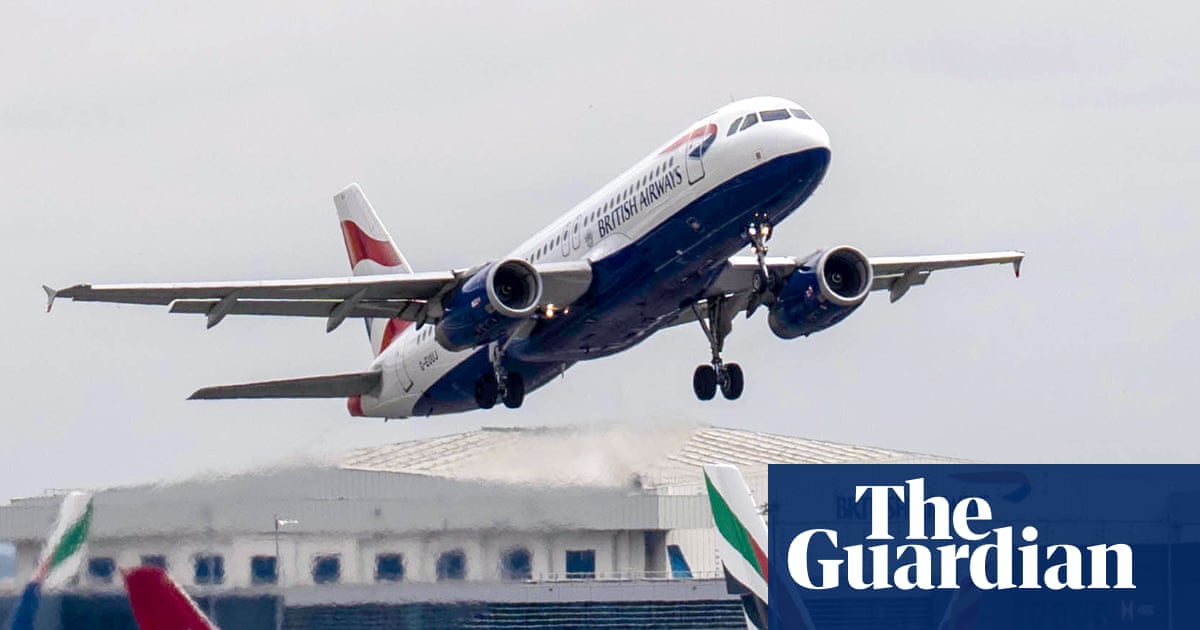
Severe thunderstorms over southern England disrupted flights at Heathrow, Gatwick and other UK airports on Saturday, causing hundreds of delays, dozens of cancellations and knock-on disruption into the evening.
Severe thunderstorms swept across southern England on Saturday, June 27, disrupting flights at Heathrow, Gatwick and other UK airports after several days of extreme heat.
The storms triggered air-traffic restrictions, long waits and cancellations across the network, leaving passengers facing knock-on delays into the evening and raising the risk of spillover into Sunday.
Disruption builds through the day
Early coverage showed the scale of the problem was already significant by mid-afternoon. The Guardian reported more than 600 delays and dozens of cancellations as thunderstorms hit Heathrow and Gatwick.
By later in the day, the totals had grown, though the exact figures varied by tracker and reporting time. The Times said roughly 900 flights had been delayed and about 120 cancelled. The Sun later reported 1,019 delays and 160 cancellations across affected airports.
The differing counts reflected a live disruption that was still changing as airlines and airports adjusted schedules and as weather conditions shifted.
Airports and airlines respond
NATS said the disruption was expected to continue through the rest of the day because of forecast severe weather across south-east England. That meant the problem was not just a series of isolated cancellations, but a wider reduction in airport throughput caused by weather-related airspace restrictions.
British Airways said it had adjusted schedules because of air traffic control restrictions caused by adverse weather affecting parts of UK airspace. easyJet said it had pre-emptively cancelled some flights to and from Gatwick because of the thunderstorms.
Gatwick said temporary air traffic restrictions were put in place overnight because thunderstorms were affecting the network, leading to delays and cancellations. Heathrow was also heavily affected, with passenger disruption building at the airport through the day.
Passengers and knock-on effects
The impact was felt on the ground as well as in the air. Passengers were reported stranded on grounded planes and in terminals, with some delays lasting more than six hours.
One British Airways Heathrow-to-Dalaman flight was reported to have remained on board for eight and a half hours before being cancelled when crew hours ran out.
The disruption also spread beyond the two main London hubs, with delays reported at other UK airports including Edinburgh, Leeds Bradford and London City. That broader spread reflected how quickly bad weather can ripple through tightly scheduled airline and crew rotations.
Why the storms mattered
The thunderstorms followed a record-breaking heatwave and brought thunder, lightning and heavy rain, creating unsafe flying conditions. In practical terms, that forced controllers and airlines to slow or limit operations, which reduced the number of aircraft that could move through the system.
That is why the effects can last beyond the weather itself. Once flights are delayed, aircraft and crews may end up out of position, and later departures can be cancelled if operating hours or turnaround windows are exhausted.
What happens next
The main question now is how quickly operations return to normal and whether there are further cancellations or residual delays into Sunday, June 28.
Passengers traveling through UK airports should expect some continued knock-on disruption until airlines finish reshuffling aircraft and crews. Compensation rules will depend on how each disruption is classified, including whether the cause is treated as weather-related air traffic control restrictions rather than an airline fault.
Revision note
Initial automated publication with expanded verified chronology and operational context.