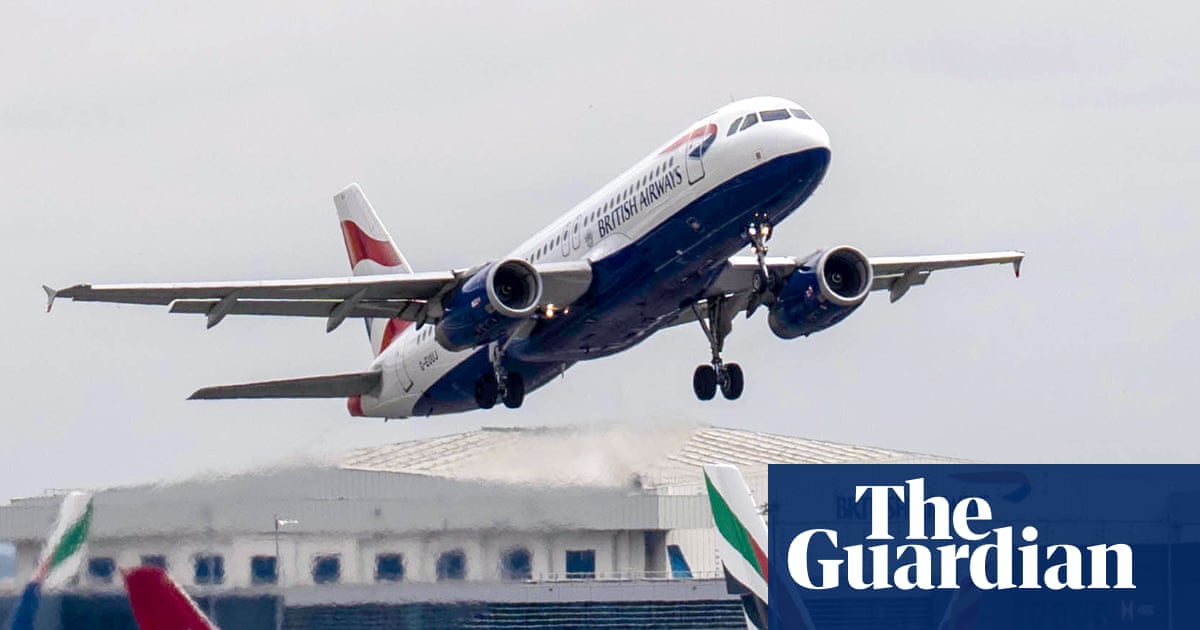
Thunderstorms over southern England disrupted operations at Heathrow and Gatwick on June 27, with flight-tracking data showing hundreds of delays and dozens of cancellations. NATS said disruption could continue through the day, while Gatwick said overnight storms triggered temporary air traffic restrictions.
Storms disrupt two major airports
Thunderstorms over southern England disrupted flights at Heathrow and Gatwick on Saturday, after a spell of intense heat across the UK. Flight-tracking data showed hundreds of delays and dozens of cancellations at the country’s two busiest airports as airlines and air traffic controllers dealt with the fallout.
The disruption began overnight and quickly spread into morning operations. NATS said the impact was expected to continue through the day because severe weather was forecast across southeast England, leaving passengers facing long waits, missed connections and the chance of overnight disruption.
The Guardian reported more than 600 delayed flights across the two airports, with dozens of cancellations. At one stage, FlightAware data cited in coverage showed 367 delayed flights at Heathrow and 352 at Gatwick.
Later live updates showed the problem deepening. The Guardian’s live coverage reported 379 delays at Heathrow and 385 at Gatwick, along with 68 cancellations at Heathrow and 31 at Gatwick.
Airline and airport response
Gatwick said overnight thunderstorms led to temporary air traffic restrictions that caused flights to be delayed and cancelled that morning. The airport’s statement pointed to the weather, rather than a fault at the airport itself, as the trigger for the disruption.
British Airways said it had adjusted schedules because of air traffic control restrictions caused by adverse weather affecting parts of UK airspace. easyJet said it had pre-emptively cancelled some flights to and from Gatwick and was offering affected passengers rebooking, refunds, hotel accommodation and meals where required.
Heathrow was also hit as controllers and airlines worked through the knock-on effect. The delays and cancellations added pressure to passengers travelling through one of the busiest periods of the summer travel season.
Wider knock-on effects
The disruption was not limited to the two London hubs. London City Airport said flights were gradually returning to normal after weather-related air traffic restrictions, though some delays and cancellations remained.
Elsewhere, Leeds Bradford and Edinburgh also reported weather-related disruption, showing how quickly a severe-weather event at one part of the network can affect operations elsewhere.
The storms came after days of high temperatures and in the middle of a wider period of severe summer weather across Europe. The immediate question for travellers was how quickly air traffic restrictions would ease and when airlines could restore their schedules.
Further updates are likely as delay and cancellation totals change, NATS decides whether to extend restrictions, and airports and airlines continue rebooking affected passengers.
Revision note
Initial automated publication.