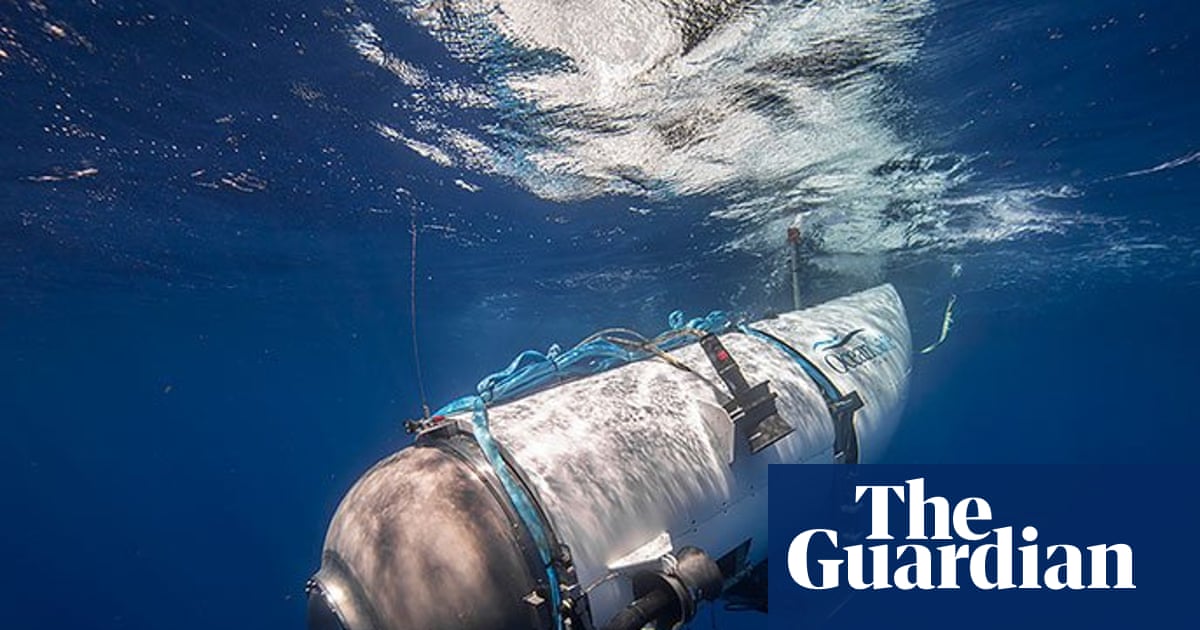
Canada’s Transportation Safety Board says the Titan submersible’s fatal implosion stemmed from an unvalidated carbon-fiber hull, weak testing, inconsistent monitoring and an OceanGate culture that distorted risk management.
The Transportation Safety Board of Canada says the Titan submersible’s fatal implosion was driven by major design flaws, inadequate testing and an internal company culture that undermined risk management.
In its final report, published June 17, the board said the carbon-fiber pressure hull was never properly validated against its theoretical design values and that construction and testing did not follow standard engineering practice. The investigation covers the 2023 dive in which Titan lost contact on the way to the wreck of the RMS Titanic, killing all five people on board.
The Canadian report adds a regulatory dimension to a disaster that had already been examined by U.S. authorities. Titan was owned by OceanGate, Inc. and supported by the Canadian cargo vessel Polar Prince.
The dive and the disaster
Titan was descending toward the Titanic wreck on June 18, 2023, when contact was lost. U.S. authorities later confirmed debris and an implosion near the wreck site.
The five people aboard were OceanGate CEO Stockton Rush, Titanic expert Paul-Henri Nargeolet, adventurer Hamish Harding, and Shahzada and Suleman Dawood.
The case drew unusual attention because the submersible was being used for a passenger expedition to extreme depth in an experimental craft that had not been built or certified in the way conventional passenger vessels are.
What investigators found
The TSB said the Titan’s carbon-fiber cylinder had never been validated against the theoretical design values OceanGate was relying on. Investigators also said the construction and testing program did not follow standard engineering practice for a vessel intended to carry people into such conditions.
The report said OceanGate did not know how long the pressure hull would remain structurally intact under repeated dives to Titanic depth. Laboratory analysis found reduced compressive strength and possible manufacturing, operations, storage or transport defects that likely caused the cylinder to fail progressively before the implosion.
The board also said OceanGate used strain monitoring inconsistently and did not remove the hull from service before failure. A separate acoustic monitoring system had been relied on for warning, but investigators said it was never tested to show that it could reliably provide enough advance warning and did not function as intended during the dive.
Culture and decision-making
The report goes beyond hardware failure and points to OceanGate’s internal structure and decision-making culture.
Investigators said risk management was hindered by the company’s structure, composition, power dynamics and social and psychological factors. In practice, that meant concerns were not weighed and tested as they should have been before the vehicle kept returning to Titanic depth.
The report’s description of group dynamics matters because it shows the disaster was not only a matter of materials and design. The TSB said the company’s culture affected how warnings were handled, how assumptions were challenged and how long the hull was allowed to remain in service.
Oversight gaps
The Canadian report says Titan was not subject to Transport Canada oversight because it was not registered with any flag state, and Transport Canada was unaware of that fact.
That left the operation outside a layer of regulation that would normally apply when a vessel and its supporting activity fall under Canadian oversight. The report gives the case a broader policy significance because the Titan dive involved a Canadian cargo vessel, yet the submersible itself escaped the regulatory framework that might have forced more scrutiny.
That gap is central to the report’s regulatory lesson. The board is warning that passenger submersibles and similar experimental craft can slip through current rules even when they depend on a Canadian support system.
Recommendations and next steps
The Transportation Safety Board issued six recommendations focused on oversight, information-sharing and submersible standards. It also wants compliance with IMO MSC Circular 981 for relevant human-occupied submersibles.
Those recommendations are likely to feed debate at Transport Canada and within the International Maritime Organization over whether current guidance is strong enough and whether it should become binding. The report also raises the question of how regulators should handle uncertified or unregistered vessels that are being used for experimental tourism.
The U.S. Coast Guard’s Titan Marine Board of Investigation had already released its own report on August 5, 2025. The Canadian finding now adds a separate official account that reinforces the central conclusion that the disaster was preventable.
The immediate open questions are whether Transport Canada will adopt or oppose the recommendations, whether the IMO moves toward stricter standards, and whether OceanGate or former executives respond publicly to the report.
Revision note
Initial automated publication.