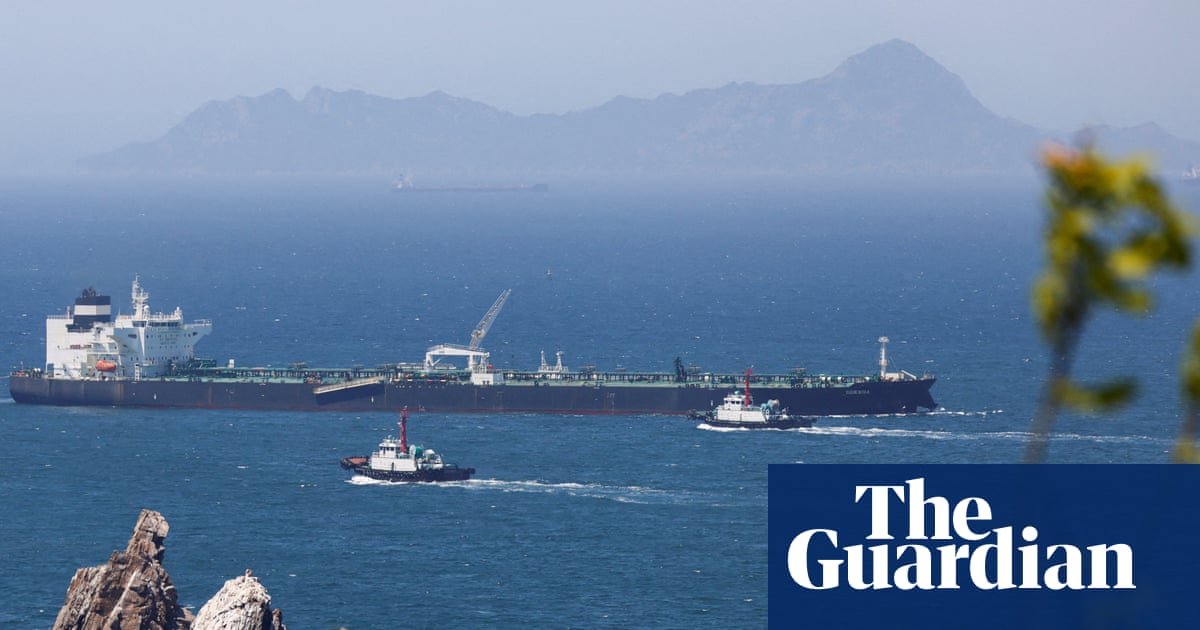
A tentative U.S.-Iran deal has eased immediate pressure on oil markets, but traders and shippers are still not betting on a quick return to normal traffic through the Strait of Hormuz. WSJ cited market pricing and shipping benchmarks pointing to a recovery that could take weeks or months.
Markets welcomed the tentative U.S.-Iran agreement, but traders are still not treating the Strait of Hormuz as a route that will snap back to normal quickly. The Wall Street Journal reported that shipping activity is likely to recover slowly, even after the deal eased some of the immediate pressure on oil and gas markets.
Market signal
The Journal said traders are skeptical that traffic through the strait will normalize soon. It cited Kalshi pricing that puts a 57% chance of traffic returning to normal levels by early August, a 70% chance by September 1 and an 82% chance by the start of 2027.
That caution is notable because the Strait of Hormuz is one of the world’s most important energy chokepoints. Even after a diplomatic breakthrough, markets often wait for shipping, insurance and security conditions to stabilize before assuming traffic is back to normal.
IMF PortWatch defines normal traffic as a seven-day moving average above 60 ships. According to the Journal, traders do not expect vessel counts to jump back above that threshold immediately.
Why recovery may lag
The reporting points to more than diplomacy slowing the route’s recovery. Market participants expect mine clearance, port congestion and higher insurance costs to weigh on traffic for some time.
The Guardian reported that oil and gas prices rallied on the peace-deal news, but that a full return to pre-crisis supply conditions could still take months. The paper also said stranded vessels and damaged infrastructure remain part of the recovery problem.
That makes the reopening question less about whether the political agreement exists and more about whether ships can move through the strait with enough confidence to resume normal routing.
Shipping concerns
Shipping groups are still weighing safety and operational uncertainty before they treat the passage as routine again. The New York Post reported that carriers remain concerned about passage rules, possible fees and security arrangements.
The same report said Iran has proposed joint control of the strait with Oman and could seek passage fees after a 60-day grace period, though that claim is not independently confirmed in the other reporting summarized here.
Those details matter because even a formal deal does not automatically resolve the practical questions that determine whether ships, insurers and operators are willing to return.
Why it matters
The pace of reopening matters for oil and gas pricing, but it also has broader effects on freight, insurance and logistics costs. A slow return to normal traffic would keep those costs elevated.
That would affect energy importers across Asia and Europe, even if the diplomatic agreement lowers the risk of a wider confrontation. For markets, the key issue is whether the strait is merely calmer or actually ready for full-scale commercial traffic again.
What to watch next
Investors and shippers are watching for official shipping advisories and maritime security notices that could clarify transit conditions. Vessel counts will also be closely tracked to see whether they move back above the PortWatch normality threshold.
Another important signal will be insurer and shipowner guidance on war-risk cover and route resumption. Formal U.S.-Iran implementation details on passage, fees or security guarantees could determine whether reopening takes days, weeks or months.
Revision note
Initial automated publication.