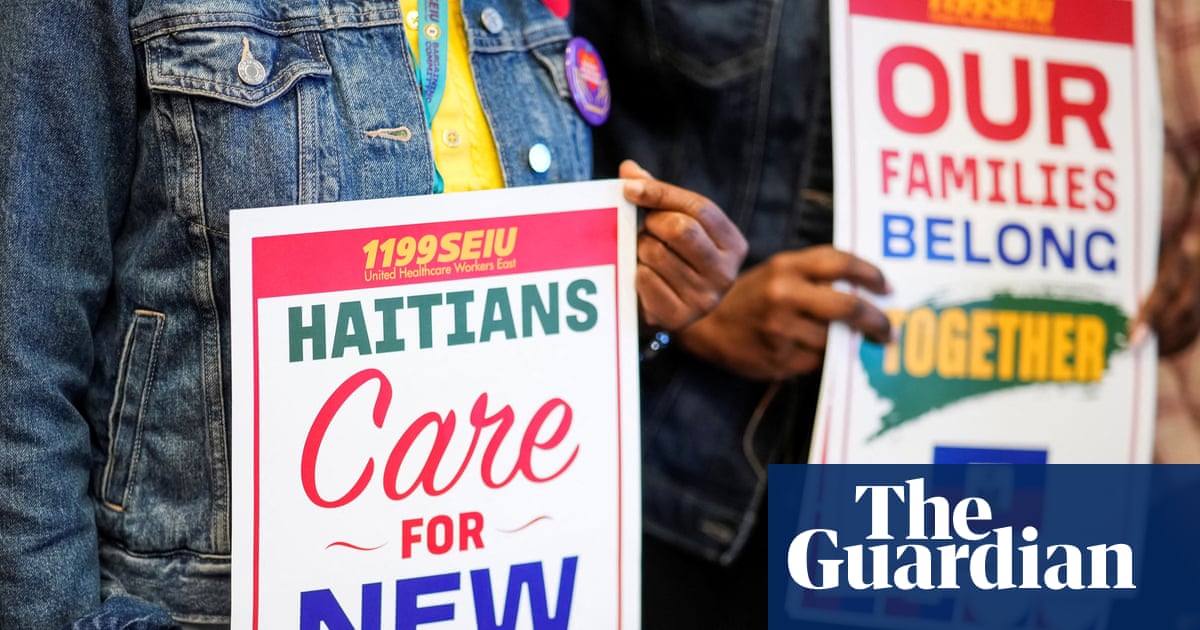
The Supreme Court handed the Trump administration a series of immigration victories on June 26, allowing it to move forward on ending TPS for Haitians and Syrians, tightening border asylum processing and broadening deportation discretion in some cases.
The Supreme Court delivered the Trump administration a major set of immigration wins on June 26, 2026, according to contemporaneous reporting, clearing the way for policy changes that could affect hundreds of thousands of people and reshape how the government handles protection, asylum and deportation.
The rulings touched Temporary Protected Status for Haitians and Syrians, asylum processing at the U.S.-Mexico border and deportation discretion in cases involving lawful permanent residents. Coverage described the court as a 6-3 conservative majority siding with the administration.
The decisions came as part of a broader Trump push to tighten immigration enforcement and reduce legal protections for migrants. They also immediately raised questions about how quickly the Department of Homeland Security and U.S. Citizenship and Immigration Services will move to implement the rulings.
What the court decided
One of the biggest rulings allowed the administration to end Temporary Protected Status for Haitians and Syrians, at least for now. TPS is a federal protection that allows eligible nationals from designated countries to live in the United States temporarily and, in some cases, work legally.
Reporting said the TPS decision would expose more than 350,000 Haitians and more than 6,000 Syrians to the loss of deportation protection. The scale of the ruling makes it one of the most consequential immigration decisions of Trump’s second term so far.
A separate ruling let the government turn back some asylum seekers at the southern border. AP reporting described a conservative majority opinion restricting asylum claims in that setting, with Justice Sonia Sotomayor dissenting.
A third decision broadened deportation discretion in cases involving lawful permanent residents. That ruling gave the administration more room to pursue removal in some cases involving green-card holders, according to the reporting available on June 26.
Justice Samuel Alito, according to reporting, said the TPS-related policy was not racially driven. That detail matters because immigrant advocates have argued that the administration’s immigration policies disproportionately affect Black, brown and Asian immigrants.
Why the rulings matter
The immediate stakes are large. The TPS ruling alone could alter the legal status of more than 356,000 people, including a large Haitian population and a smaller group of Syrians who had been shielded from removal.
The asylum ruling could have fast operational consequences at the southern border, where the administration has sought more power to block entry and limit claims. The court’s decision appears to strengthen the government’s hand in those disputes.
The deportation ruling also matters beyond the border. By broadening discretion in some cases involving lawful permanent residents, the court added to the administration’s leverage against noncitizens who may have long-standing ties to the United States.
Taken together, the three decisions give the White House and its lawyers a stronger legal footing across multiple parts of the immigration system at once. That is what makes the day notable: not a single narrow win, but a coordinated set of rulings that touch protection, border processing and enforcement authority.
How the day unfolded
Reporting on June 26 indicated that the court backed the administration in multiple immigration matters on the same day. The Guardian’s coverage described the decisions as a major legal boost to Trump’s immigration agenda.
The sequence matters because the rulings were not isolated. They landed together across different parts of the system, suggesting the administration had won on more than one front in a single day.
AP reporting helped clarify the asylum-related ruling and the fact that Justice Sotomayor dissented. That aligns with other coverage describing a 6-3 conservative majority backing the administration in these cases.
The result was a rapid change in the legal landscape. Even before detailed opinions and formal agency guidance are fully digested, the political and practical implications were immediately visible.
Community and political reaction
Local coverage showed communities preparing for the fallout. Axios reported that Boston-area Haitian leaders were bracing for next steps after the TPS ruling, a sign that the effects are being felt well beyond Washington.
One report also said Zohran Mamdani would not enforce the ruling on deportation protection for Haitians and Syrians, underscoring how the Supreme Court’s decisions could quickly become a local political issue.
Immigrant advocates are likely to keep pressing the argument that the administration’s policies disproportionately burden marginalized communities. The TPS changes are especially significant for Haitian families, while Syrians affected by the ruling face the loss of a protection they had relied on.
For state and local officials, the rulings may intensify pressure from residents, advocacy groups and community organizations seeking answers on housing, work authorization, school enrollment and family stability.
What happens next
The next immediate developments are likely to come from implementation guidance. DHS and USCIS will determine how the rulings are carried out and how quickly the new posture takes effect.
Court opinions and dissents should also clarify the legal reasoning behind the decisions. That matters because the available reporting still leaves some open questions about the precise controlling theory in each case and how broadly the rulings will apply.
Lower courts or class actions could still try to limit the practical reach of the decisions, even as the Supreme Court’s rulings give the administration stronger authority in the near term.
For affected immigrants, the practical questions are urgent. Haitian and Syrian TPS holders need to know what the decisions mean for their ability to remain in the United States. Asylum seekers at the border need to know whether they will be turned back under the new standard. Lawful permanent residents facing deportation need to understand how much discretion the government now has.
The broader significance is clear even before every implementation detail is settled. The Supreme Court has, for now, become a central legal partner in Trump’s immigration agenda.
Revision note
Expanded into a fuller multi-section article covering the three rulings, legal stakes, chronology, reaction and next steps.