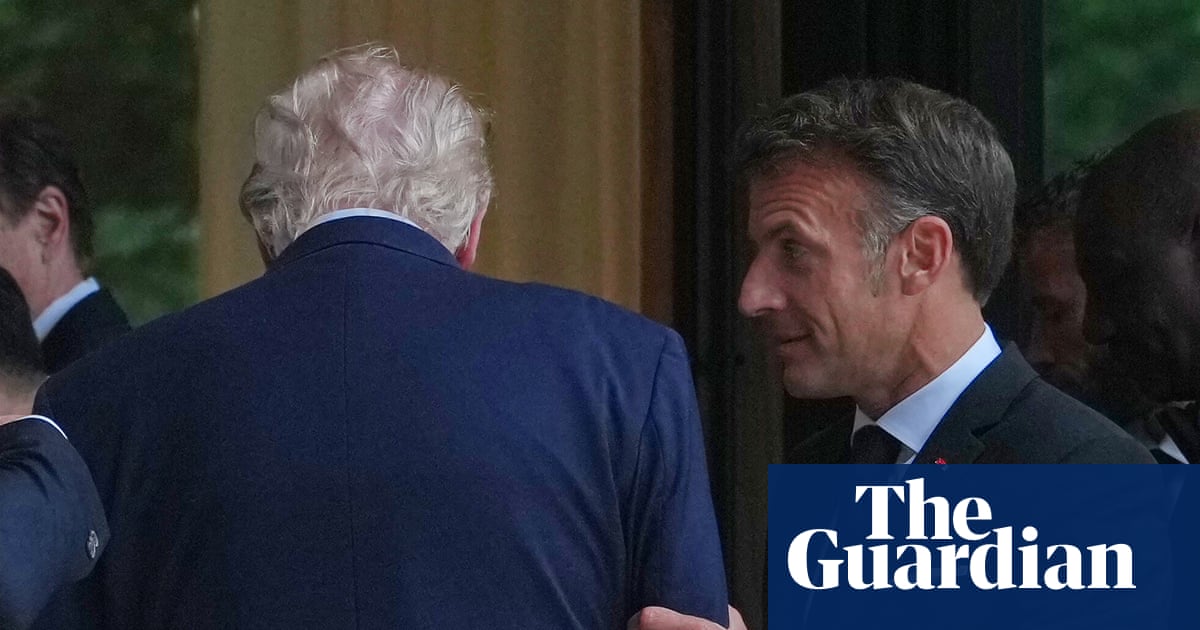
At the G7 summit in Évian-les-Bains, Trump spoke with Zelenskyy and Putin and said Russia and Ukraine should make a deal, while allies pressed for more U.S. pressure on Moscow and stronger support for Kyiv.
Trump’s Ukraine policy was pushed back to the center of the G7 summit in Évian-les-Bains, France, as allies pressed the U.S. president to back tougher pressure on Russia and play a clearer role in possible peace talks.
Trump spoke with Volodymyr Zelenskyy and Vladimir Putin before arriving at the summit. At the meeting, he repeated that Russia and Ukraine should reach a deal and said he would do what he could to help.
European leaders used the summit to urge him to take a more active diplomatic role. One idea raised by allies was that the United States could host talks between Zelenskyy and Putin.
Ukraine back on the agenda
The G7 meeting opened on June 15 and quickly became a venue for renewed focus on Ukraine, even as Iran, trade and other issues were also on the table.
Reporting from the summit described Trump as being pulled back into the war after months in which he has often framed the conflict as something Kyiv and Moscow must settle themselves.
Guardian reporting said Trump’s calls with Zelenskyy and Putin helped push Ukraine back to the top of the conversation before the main G7 discussions began.
The same reporting said European leaders were pressing him to host any future peace meeting between Zelenskyy and Putin in the United States.
What the G7 is backing
Associated Press reported that G7 leaders pledged stronger air defenses for Ukraine, additional economic pressure on Russia and support for Ukraine’s energy needs.
AP also reported that the group was considering ways to help Ukraine manufacture some Western weapons.
That matters because allies have been looking for a firmer U.S. commitment on sanctions, weapons support and the broader strategy for forcing Moscow to negotiate from a weaker position.
Guardian reporting said German sources claimed Trump acknowledged that Russia was in a weaker position than before.
The pressure on Trump
The summit gave allies a chance to press Trump in person at a moment when the war remains one of the most important tests of transatlantic unity.
For Europe, the goal is not only more aid for Kyiv but also more clarity on whether Washington will support sanctions, air defenses and a possible peace process.
For Trump, the political and diplomatic question is whether he is willing to move beyond general calls for a deal and accept a more active U.S. role.
His public line at the summit remained cautious. He still described a settlement as something Ukraine and Russia must reach.
What happens next
Zelenskyy said on Wednesday that G7 leaders had pledged more vital help for Ukraine, adding to signs that the summit produced at least some concrete support.
The key question now is whether that pressure turns into specific U.S. action on sanctions, air defenses or a possible U.S.-hosted peace push.
Watch for any formal G7 communiqué language, White House or State Department follow-up, and any response from the Kremlin.
The stakes are immediate for Ukraine. Stronger Western backing could improve its battlefield and negotiating position.
They are also high for the G7 itself. The summit is testing whether the alliance can keep Ukraine at the center of transatlantic policy as the war grinds on.
Revision note
Initial automated publication.