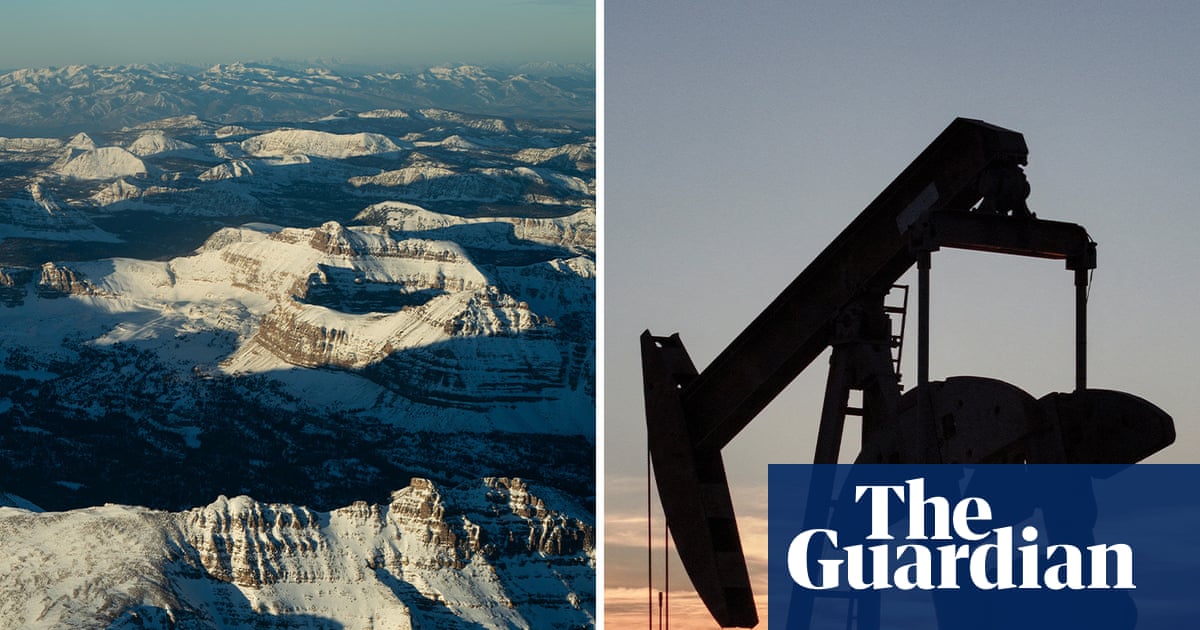
The Interior Department is proposing changes to federal oil and gas leasing rules that would speed drilling on public lands by narrowing public participation and easing cleanup and methane safeguards.
The Trump administration is proposing major changes to federal oil and gas leasing rules that would speed drilling on public lands by narrowing public participation and easing several environmental safeguards.
According to reporting first published Monday by The Guardian, the Interior Department proposal would eliminate two public comment periods tied to lease sales and cut the protest window for those sales from 30 days to 10.
The plan would also lower the financial assurance companies must provide for future cleanup costs, from $500,000 to $25,000 per well. In addition, it would remove a Biden-era requirement that companies certify they will capture all oil and gas produced by their wells or submit a methane-reduction plan.
Interior said the revisions would streamline outdated procedures that have slowed domestic energy development. Interior Secretary Doug Burgum said the changes would ease restrictions that hamper domestic energy production.
Critics say the proposal would reduce public oversight and shift cleanup risk toward taxpayers and nearby communities.
What would change
The Bureau of Land Management currently gives the public at least 90 days of participation across the federal lease-sale process, according to the reporting. Under the proposal, two of those public comment periods would disappear.
The remaining protest period would be cut sharply. That would leave less time for conservation groups, local residents and other stakeholders to challenge a lease sale before it moves forward.
The cleanup requirement is another major change. Lowering the financial assurance to $25,000 per well would reduce the amount companies must set aside if wells are later abandoned or require remediation.
The methane-related change would unwind part of the Biden-era framework that tightened controls on drilling emissions on federal and tribal lands. AP News reported in 2024 on that earlier methane rule, which sought to crack down on leaks and flaring.
Why it matters
Public participation in federal oil and gas decisions can shape where drilling occurs, what conditions are attached and whether projects face administrative or legal challenges.
Cutting comment and protest periods would make it harder for outside groups and nearby communities to weigh in before leases are sold or challenged.
The cleanup issue is also significant for taxpayers. If a company walks away from a well or cannot cover remediation, abandoned sites can end up costing the public money.
Methane matters because it is a potent greenhouse gas and can leak during drilling and transport. Rules that weaken methane controls can have consequences well beyond the lease-sale process itself.
The proposal fits a broader Trump administration push to shorten or remove public-comment requirements across environmental reviews.
The policy fight
Interior framed the revisions as a way to modernize a process it sees as slow and outdated. Burgum has argued that the changes would help ease restrictions on domestic energy production.
Environmental groups are expected to push back. The research identified the Union of Concerned Scientists and the Center for Biological Diversity among the key actors watching the proposal.
Their criticism centers on the same core concern: that the federal government would be making it easier to lease land for drilling while reducing the public's ability to contest those decisions and weakening safeguards that can limit pollution and cleanup costs.
What happens next
The proposal is not a final rule. The next important step is the formal text and its posting in the Federal Register, which will determine the exact comment process and deadline.
That filing will also show whether Interior adds any other changes to leasing-area conflict reviews beyond the public-comment, cleanup and methane provisions described in the reporting.
For now, the clearest takeaway is that the administration is moving to speed fossil-fuel leasing on federal land while narrowing public input and easing some of the obligations tied to drilling impacts.
,Revision note
Initial automated publication.