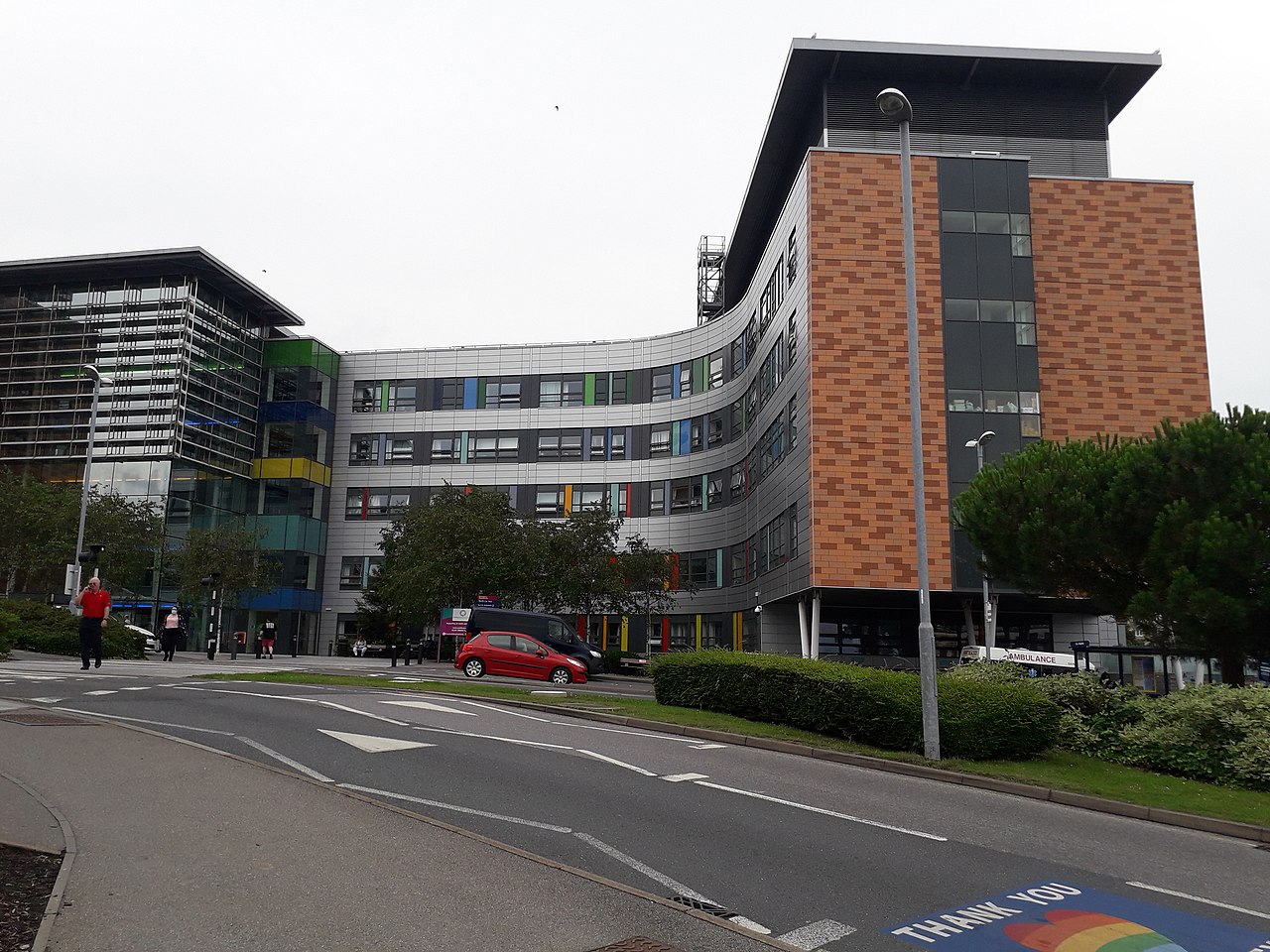
Norfolk and Norwich University Hospitals and Queen Alexandra Hospital in Portsmouth declared critical incidents after heat-related cooling failures disrupted services during the UK heatwave. At least 254 outpatient appointments were cancelled at NNUH, while Portsmouth stood down planned care and appointments as engineers worked to restore systems.
Two major NHS hospitals declared critical incidents after extreme heat disrupted cooling systems and forced cancellations during the UK heatwave.
Norfolk and Norwich University Hospitals NHS Foundation Trust said its services were affected by cooling problems at Norfolk and Norwich University Hospital. In Portsmouth, Queen Alexandra Hospital also declared a critical incident after several chiller units failed.
The disruption affected diagnostic and treatment services at both sites, including MRI scanning in Norfolk and theatres, cardiac catheter laboratories and diagnostic scanning facilities in Portsmouth.
Hundreds of appointments cancelled
At Norfolk and Norwich University Hospital, the trust said there were no working MRI scanners. It also said at least 254 outpatient appointments were cancelled because of the disruption.
The scale of the cancellations shows how quickly a hospital infrastructure failure can ripple through planned care. Outpatient appointments, scans and other non-emergency activity can be among the first services to be stood down when specialist equipment or room temperatures become unsafe.
In Portsmouth, Portsmouth Hospitals University NHS Trust said planned care and appointments were stood down while engineers worked to restore affected systems. The trust said several chiller units failed, affecting multiple parts of the hospital’s clinical estate.
Record June heat
The incidents came during a record-breaking spell of heat across the UK. On June 24, 2026, the country recorded its hottest June day on record, with 36.1C provisionally measured in Gosport, Hampshire.
The Met Office also issued a rare red warning for extreme heat during the same period, underscoring the severity of the weather and the pressure it placed on public services.
The hospital problems sit within that wider pattern of disruption. Earlier reporting from the Financial Times said Britain’s heatwave was forcing hospitals to reduce services because of a lack of air conditioning, while The Times reported broader NHS strain as temperatures surged.
Why the failures matter
Cooling and chiller systems are not a comfort feature in acute hospitals. They help keep clinical environments within safe operating limits for equipment, staff and patients.
When those systems fail, hospitals may be forced to shut down scanners, move patients, postpone procedures or divert staff to urgent repairs. That makes heatwaves more than a general weather problem: they become an operational risk for frontline care.
The incidents in Norfolk and Portsmouth are significant because both are major NHS acute providers serving large regional populations. Even a temporary loss of specialist equipment can leave a sizeable backlog of rebooking and rescheduling work.
Engineers on site
Both trusts have said they were working to restore the affected systems. Engineers were on site as the hospitals tried to bring services back to normal.
Patients affected by the cancellations will need to be contacted and rebooked once the equipment and rooms are available again. The immediate priority for the trusts is to recover cooling capacity safely and avoid further disruption to clinical activity.
Whether additional hospitals face similar problems will depend on how long the high temperatures continue and how resilient local infrastructure is under sustained heat.
The episode is another warning for the NHS as extreme weather becomes more disruptive. Hospitals need stable cooling not only for patient comfort, but to keep diagnostics and treatment running when temperatures rise sharply.
Revision note
Initial automated publication.