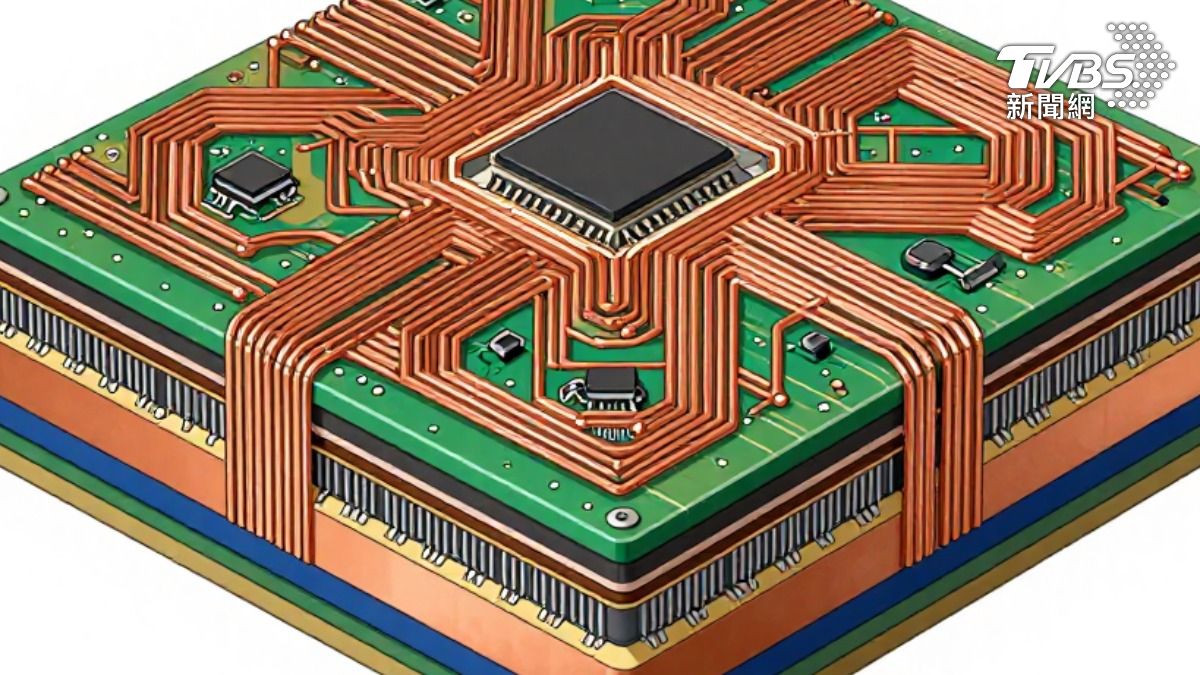
A Bernstein note spotlighted TSMC and Unimicron as Taiwan semiconductor names with strong AI exposure, backed by recent company results and guidance.
Bernstein’s latest Taiwan semiconductor note put TSMC and Unimicron in the spotlight as two stocks with strong exposure to AI spending.
The note, as reported by Investing.com, comes at a time when both companies have already pointed to solid demand trends in their latest results and guidance.
TSMC’s AI backdrop
TSMC’s first-quarter 2026 update showed revenue of US$35.9 billion and second-quarter guidance of US$39.0 billion to US$40.2 billion. The company also said it expects 2026 revenue to rise by more than 30% and that capital spending is likely to land toward the high end of its US$52 billion to US$56 billion range.
Reuters has separately reported that TSMC’s AI-chip demand and advanced packaging business remain strong, reinforcing the view that the company remains one of the clearest beneficiaries of AI infrastructure investment.
Why Unimicron is on the list
Unimicron’s first-quarter 2026 results showed sales of TWD 37.45 billion and net income of TWD 5.04 billion. Secondary coverage said revenue rose 8% sequentially and gross margin improved to 18%, with higher expenses tied to ramp-up costs for Thailand and Taiwan production lines.
That performance fits the broader AI demand story because substrate suppliers are increasingly being pulled into the buildout of advanced computing hardware.
What the note means
The Bernstein call is another reminder that Taiwan’s semiconductor ecosystem remains central to the AI trade. TSMC is still the anchor name, but suppliers such as Unimicron are also being watched for spillover demand.
The exact rankings and price targets from Bernstein were not directly available in the source material reviewed here, but the direction of the call was clear: both companies are seen as AI beneficiaries.
What to watch
The next catalyst will be whether subsequent analyst updates or earnings reports confirm that AI-related demand is still accelerating into the second half of 2026.
Revision note
Initial automated publication.