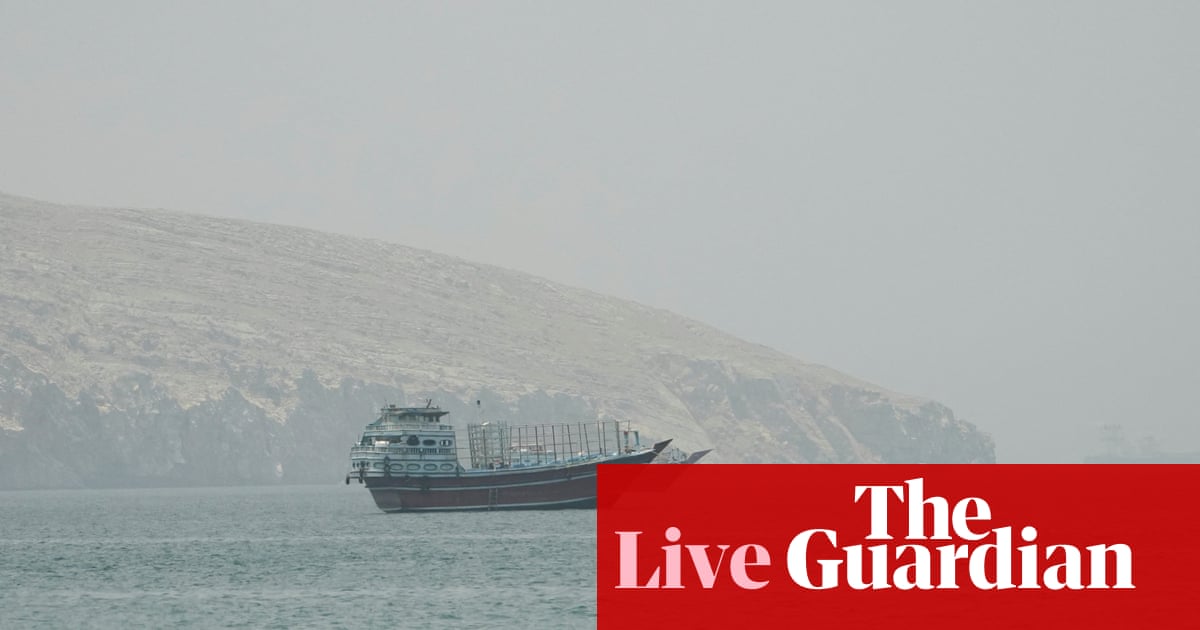
The U.S. launched fresh strikes on Iranian military targets after an Iranian drone attack on the Singapore-flagged M/V Ever Lovely in the Strait of Hormuz, according to multiple reports. The escalation has renewed concern about shipping safety, energy flows and the durability of the ceasefire framework.
U.S. retaliation after ship attack
The U.S. launched fresh strikes on Iranian military targets after an Iranian drone attack on the Singapore-flagged cargo ship M/V Ever Lovely in the Strait of Hormuz, according to multiple reports published on Thursday, June 26, 2026.
Reporting says the American strikes hit Iranian missile and drone storage sites, along with coastal radar positions. The response came after the attack on the vessel in one of the world’s most important maritime chokepoints, where shipping traffic carries major energy and trade flows.
President Donald Trump said Iran had violated the ceasefire agreement and described the ship attack as a “foolish” violation. Iranian officials and the Islamic Revolutionary Guard Corps were reported to have warned of retaliation after the U.S. strikes.
Chronology of the escalation
The research packet says the initial strike on the ship took place on June 25, when four Iranian drones were launched at the vessel. Three were intercepted and one hit the ship’s upper deck.
The Wall Street Journal published the first reporting on the U.S. response at 21:25 UTC on June 26. Later coverage from Axios, The Guardian and other outlets corroborated that the U.S. military had struck Iranian targets near the strait, while public reactions and counterclaims continued to develop.
Explosions were also reported in or near Sirik on Iran’s coast in connection with the American strikes. One IRGC-linked account reportedly said it had repelled a U.S. attack near Sirik, while U.S. reporting described successful strikes on Iranian military assets.
Why the Strait matters
The Strait of Hormuz is a critical route for global oil and cargo traffic, so even a limited exchange can ripple through shipping schedules, insurance pricing and energy markets. The attack on a commercial vessel renewed fears about freedom of navigation through the waterway.
Market reporting in the packet said the latest strike and the U.S. response were testing the shipping-insurance market just as war-risk premiums had recently fallen. That makes the economic impact part of the story, not just the military exchange.
The political stakes are also high. The strikes put new pressure on an already fragile U.S.-Iran ceasefire framework and raise the possibility of follow-on retaliation, either directly or through harassment of commercial shipping.
What to watch next
The main open questions are whether the Pentagon or CENTCOM will issue a formal statement naming the targets and assessing damage, whether there were casualties, and whether Iran responds militarily. Shipping advisories and traffic through the strait will also be important signals.
For now, the public record supports a clear sequence: an Iranian drone attack on a commercial vessel triggered U.S. retaliation, and the exchange has renewed fears of broader escalation in the Gulf.
Revision note
Initial automated publication with expanded verified chronology and stakes.