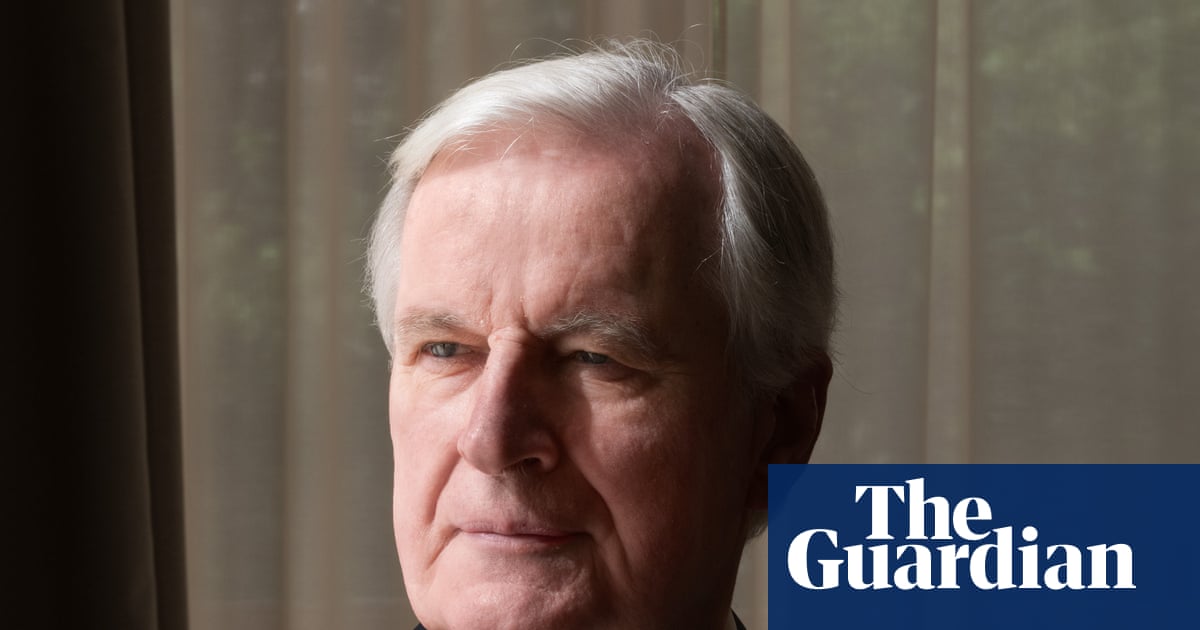
Michel Barnier said the UK could potentially keep its pre-Brexit opt-outs on the pound and Schengen if it ever rejoined the EU, reviving debate over how any future accession would be negotiated.
Michel Barnier has said the UK could potentially keep some of its old pre-Brexit terms if it ever rejoined the European Union, including staying out of Schengen and keeping the pound.
The remarks, published by The Guardian on June 18, came in the run-up to the 10th anniversary of the Brexit referendum and revived a familiar question in British politics: whether a future return to the bloc would have to start from scratch or could preserve some of the country's previous opt-outs.
Barnier, the EU's former chief Brexit negotiator and a former French prime minister, said existing exemptions elsewhere in the EU showed such an arrangement was possible. A second Guardian interview published the same day quoted him saying Britain could regain its previous special status if it returned to the EU.
What Barnier said
Barnier pointed to the pound and Schengen as the clearest examples of terms that might survive a future accession. Before leaving the EU in 2020, the UK already had multiple opt-outs, including from the euro and from Schengen rules.
His comments were striking because some former EU officials have argued a returning UK would not be offered a bespoke deal. In May, other former Brexit officials said any re-entry would be on standard terms rather than a tailored package.
Legal context
EU treaty rules say any European state that respects the bloc's values may apply to join, but accession terms must be agreed unanimously by member states and then ratified under their constitutional procedures.
That leaves room for negotiation, but also means a future UK return would depend on the agreement of all member states. Barnier's comments were influential, but they were not an official EU decision.
Why it matters
The issue matters because any debate over a UK return to the EU would almost certainly involve more than trade. Currency, borders and legal integration would be central questions, and Barnier's comments will likely strengthen arguments among pro-EU voices for a softer re-entry path.
The remarks also feed into wider EU discussion about enlargement and how much flexibility future accession deals should allow.
What to watch
The next developments to watch are reactions from EU institutions and member-state governments, plus any direct response from UK political leaders, including Labour, the Conservatives and pro-EU campaigners.
Barnier also used the interview to argue for deeper European security cooperation, including a new defence and security council that could include the UK, Ukraine and Norway.
Revision note
Initial automated publication.