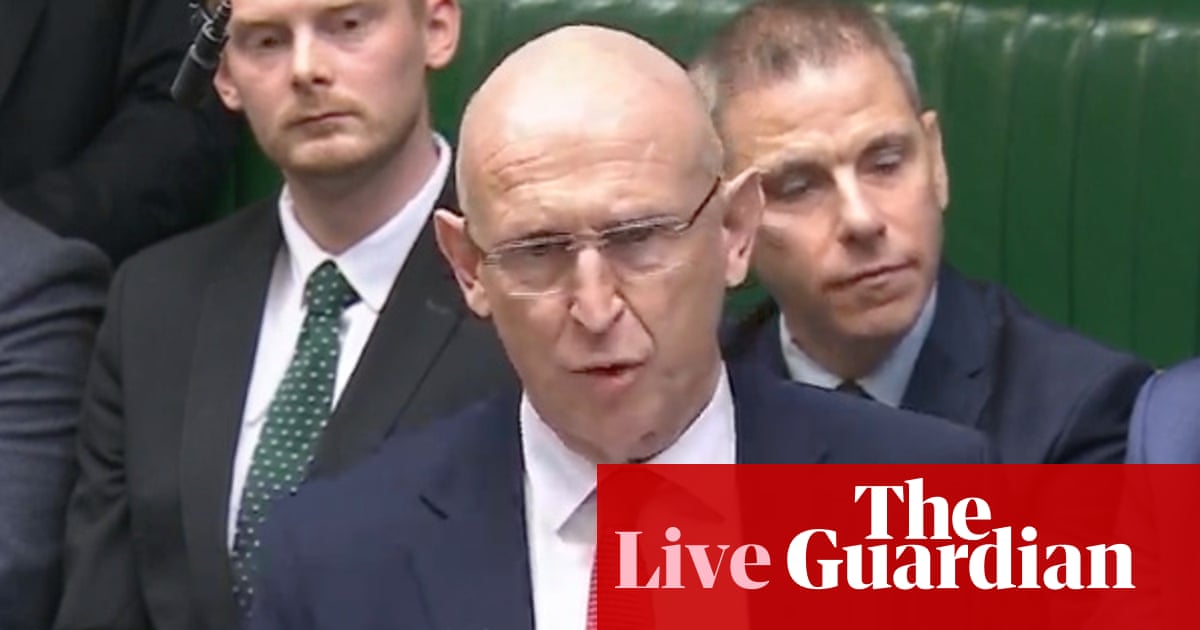
John Healey has renewed his criticism of the UK's defence investment plan, saying it is underfunded and lacks a clear path to higher spending targets, while military leaders warn operations may need to be scaled back without extra money.
Healey renews criticism of the plan
John Healey has said the government's Defence Investment Plan is well short of what's required, reopening the row over how quickly the UK should raise defence spending and what that means for military readiness.
In a Commons resignation statement on Tuesday, Healey argued that the plan does not give the armed forces a clear path to 3% of GDP by 2030 or 3.5% by 2035. He presented the issue as a national security question, not just a dispute over budgets.
The intervention adds fresh pressure on Keir Starmer and Rachel Reeves, who are facing the familiar problem of how to fund more defence spending while keeping the wider fiscal plan intact.
The spending dispute
The argument at the centre of the row is over the government's current trajectory. Reporting on the dispute says the Defence Investment Plan would take defence spending to about 2.68% of GDP by 2030.
Healey wants a clearer commitment to 3% by 2030, followed by 3.5% by 2035. He said the government has not set out a clear date for reaching 3% and has not explained how it would get to the higher level.
That leaves ministers facing a choice between revising the plan or defending the existing line. Any upward move would have knock-on effects for other spending decisions.
Military warning
The political row is taking place against a warning from the Chief of the Defence Staff, Rich Knighton, that the Ministry of Defence may have to dial back operations and exercises without more funding.
According to same-day reporting, that warning was tied to pressure on day-to-day resource budgets as well as capital spending. In practical terms, it suggests the funding debate is not only about future equipment plans but also about current military activity.
That strengthens the argument from Healey and other critics that the present settlement is too tight for the commitments the UK is expected to meet.
Labour tensions and what comes next
The dispute is also exposing tensions inside Labour. Healey's criticism lands inside Starmer's own government and has become part of a wider argument about how the leadership is handling defence policy.
Healey's earlier resignation over the funding gap has already raised the political stakes. His latest intervention keeps the issue live and increases pressure for a ministerial response.
The main unanswered question is whether the government will reopen the Defence Investment Plan or hold the line. The Treasury's willingness to fund any higher target, and the effect on other spending priorities, remain central questions.
NATO allies are also likely to watch the UK's spending trajectory closely because the row touches on credibility as well as domestic politics.
Revision note
Initial automated publication.