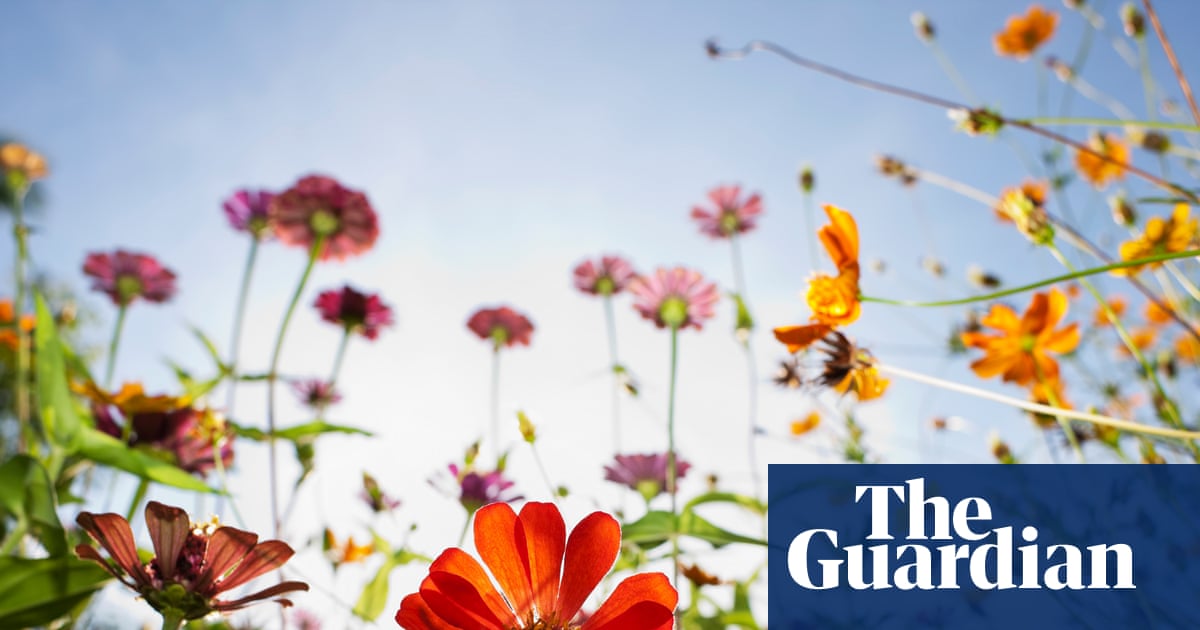
The UK government has opened consultation on a proposed natural history GCSE for England, Wales and Northern Ireland. The draft course would cover habitats, human impact and biodiversity and require at least 20 hours of fieldwork.
Consultation opens
The UK government has opened consultation on a proposed natural history GCSE, moving the long-running campaign for a standalone qualification on wildlife and the natural world a step closer to classrooms.
The draft course would apply in England, Wales and Northern Ireland. It would include at least 20 hours of fieldwork, adding a practical requirement to a subject that would sit alongside the rest of the secondary curriculum.
Reporting on the consultation says the government is presenting the fieldwork as something schools could deliver locally and at low cost, including on school grounds or in a nearby park.
The proposal is the clearest fresh development yet in a project that has moved slowly through political delay, ministerial confirmation and now formal consultation.
What the GCSE would cover
The proposed syllabus is built around three core areas: UK habitats and wildlife; human influence on the natural world; and climate breakdown, biodiversity loss and conservation.
That structure suggests a qualification intended to balance observation of local nature with broader environmental themes already central to public debate.
Examples cited in reporting include planting wildlife-friendly gardens and reducing mowing of roadside verges. Those are the kinds of practical exercises the government appears to want to use to make the subject accessible beyond expensive off-site trips.
The Natural History Museum has been involved in drawing up the draft curriculum, alongside campaigners and subject experts.
From delay to consultation
The route to consultation has been stop-start. Reporting in late 2024 said the GCSE had been put on hold, with campaigners warning that the subject risked being shelved because it was seen as a Conservative initiative.
That position began to change in March 2025, when the Department for Education confirmed it would establish a natural history GCSE and said it would consult on the subject content later in the year.
Earlier reporting in January 2025 showed campaigners still pressing Labour not to abandon the idea. The June 2026 consultation is the first material update since that confirmation and adds a specific fieldwork requirement to the emerging plan.
Who is involved
Bridget Phillipson, the Education Secretary, is the minister associated with the current proposal. Reporting says she has argued that the practical work can be done without relying on costly transport or specialist facilities.
Mary Colwell, a campaigner and naturalist, has been one of the most visible supporters of the GCSE. Steve Backshall, the naturalist and presenter, has also backed the idea.
Caroline Lucas, the former Green MP, is among the other public supporters named in reporting.
Doug Gurr, the director of the Natural History Museum, has been involved in the curriculum work as the subject has taken shape.
The cast of supporters matters because the proposal is not just a curriculum tweak. It reflects a broader attempt to give biodiversity and conservation a more explicit place in secondary education.
Why it matters
The consultation could determine whether natural history becomes a standalone GCSE at all, and if so, how widely it is taught.
The mandatory fieldwork requirement is likely to be one of the most important parts of the proposal. Schools will want clarity on how the 20 hours will be counted, what supervision will be required, and how the work fits around timetable pressure and safety obligations.
The subject also has potential consequences for access. A local, low-cost model could make the course more realistic for a wider range of schools, but any practical requirement still creates planning demands that some institutions may struggle to meet.
For pupils, the course would give biodiversity, climate change and conservation a formal place in the curriculum rather than leaving those topics spread across other subjects.
Supporters argue that hands-on experience with nature can make the subject more concrete and more engaging. The government appears to be betting that a practical qualification can be both academically credible and easier to deliver than a more trip-heavy model.
What happens next
The consultation outcome will decide whether the GCSE goes ahead and in what final form.
Ministers still need to settle the final syllabus, the assessment model and the implementation timetable. It is also unclear whether the final version will differ materially from the draft developed under the previous government.
Schools, campaigners and subject experts are likely to push for more detail on the consultation deadline, rollout timing and how the fieldwork requirement will be assessed.
Further reporting will be watching for formal Department for Education documents or ministerial statements that pin down the next stage of the process.
Revision note
Expanded into a fuller consultation story with chronology, stakeholders, stakes and next steps.