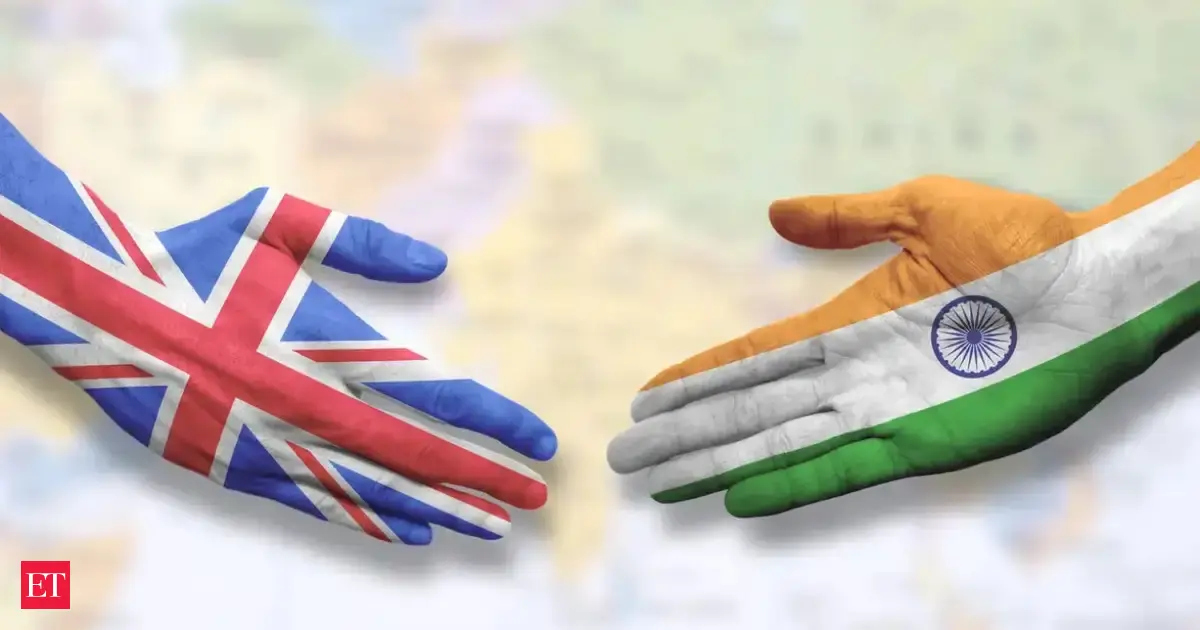
India and the UK say their free trade agreement will enter into force on July 15, 2026, bringing tariff cuts, a steel safeguard carve-out and a parallel social security pact.
India and the UK say their free trade agreement will take effect on July 15, 2026, giving businesses 28 days to prepare for a pact that was signed less than a year earlier and is now moving into implementation.
The agreement is expected to reshape tariffs on goods ranging from whisky and automobiles to textiles, leather and food, while also changing the cost of temporary cross-border assignments through a separate social security pact.
Reporting citing the UK Department for Business and Trade says the deal will cut tariffs by more than $480 million in the first year. The UK government has separately said the agreement could lift bilateral trade by £25.5 billion a year in the long run and add £4.8 billion to UK GDP.
Implementation date
The free trade agreement was signed on July 24, 2025, after more than three years of negotiations between India and the UK.
The July 15 start date means the deal will enter into force in less than a year from signature, a relatively fast timetable for an agreement of this scale.
Businesses now have a short window to prepare for customs, pricing and compliance changes before the new tariff schedules begin to apply.
That timing matters because the first day of implementation is when the commercial effects will begin to show up in duty payments, import paperwork and contract pricing.
What changes for trade
India is set to reduce or eliminate tariffs on 90% of product lines for UK exports, with 85% of those lines becoming fully tariff-free within a decade.
On the UK side, the agreement is expected to lower duties on Indian goods across a range of sectors including textiles, leather, marine products, engineering goods and food.
Two of the most closely watched changes are in whisky and autos. Reporting says UK tariffs on Scotch whisky will fall from 150% to 75% on day one and then to 40% over 10 years.
Automobile tariffs are reported to drop from 100% to 10% under a quota mechanism, which could matter for premium carmakers and exporters targeting the Indian market.
Officials and business groups have described the agreement as important not only for trade volumes but also for the practical rules that will govern how goods move between the two countries.
Steel and social security
One of the late-stage sticking points was steel. India says it has secured protection for 85% of its steel exports to the UK from upcoming British safeguard measures.
That issue mattered because the safeguards were due to take effect on July 1, 2026, just weeks before the trade deal itself enters into force.
A parallel Double Contributions Convention will also begin on July 15. The pact is designed to stop temporary assignees from paying social security contributions in both countries for up to five years.
Officials quoted in reporting said roughly 90% to 95% of eligible Indian professionals could benefit from the arrangement, which could lower costs for firms sending staff on cross-border assignments.
What comes next
The immediate next step is implementation. Businesses are waiting for final customs notices, registration guidance and tariff schedules before the start date.
There is also a live question over how the steel safeguard rules will work in practice and how any quota treatment will be administered for sensitive sectors.
For exporters, the key test will be whether the announced tariff savings and access changes translate smoothly into filings, contracts and shipments once the agreement becomes active.
The UK-India deal is one of the biggest bilateral trade developments between the two countries in years, and July 15 is now the date when it shifts from negotiation to operation.
Revision note
Expanded into a full implementation-focused update with chronology, sector detail, steel safeguards and social security context.