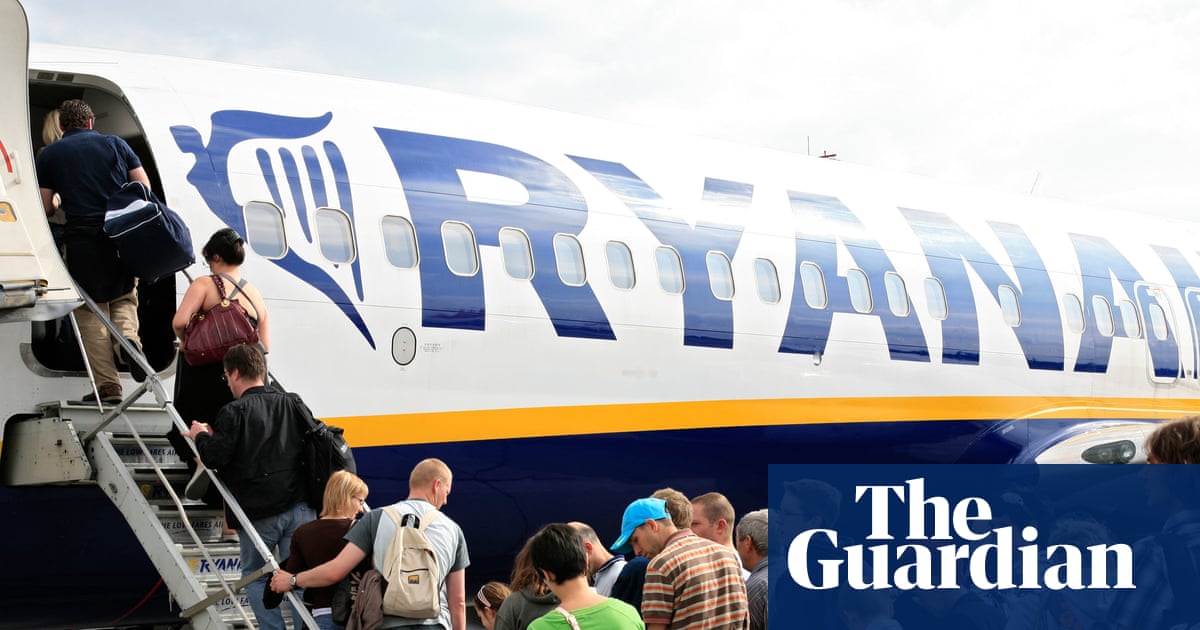
The UK Competition and Markets Authority has opened an investigation into Ryanair’s family seating policy, saying it will examine whether parents are being hit with unfair or poorly disclosed charges when booking seats beside children. Ryanair says its policy is lawful and called the probe bogus.
The UK Competition and Markets Authority has opened an investigation into Ryanair’s family seating policy, adding a new consumer-protection challenge to one of Europe’s biggest budget airlines.
The regulator said it will examine whether the airline’s terms are unfair and whether the price is being presented clearly during booking. The case centers on a fee that the CMA says parents must pay to sit beside children aged 2 to 11, typically about £8 per flight or about £8 each way on a return journey.
The CMA said it is also looking at whether the charge amounts to drip pricing, a practice in which a mandatory cost is revealed late in the booking process rather than upfront. The authority said Ryanair appears to be the only major airline flying out of the UK that imposes the charge.
Ryanair rejects the criticism. The airline says its family seating policy complies with relevant laws and regulations, and says adults traveling with children pay for one reserved seat while adjacent seats for up to four children on the same booking are free.
What the CMA is examining
The investigation is focused on two questions. First, the regulator wants to know whether the family seating requirement is an unfair contract term under consumer law. Second, it is reviewing whether the fee is shown in a way that leaves customers without clear upfront pricing.
The CMA said the probe also covers families traveling with disabled children. That widens the scope beyond a single booking quirk and into how airlines structure mandatory charges for passengers who may have little practical choice but to pay them.
Hayley Fletcher, the CMA’s senior director of consumer protection, is among the key figures leading the scrutiny. The regulator’s position is that families should not be surprised by unavoidable fees when they reach the payment stage.
How the policy works
According to the CMA’s description, families with children aged 2 to 11 must reserve at least one paid seat if they want a parent or guardian to sit next to them. The fee is usually around £8, which can become more significant on return journeys or for larger families.
That makes the issue less about optional extras than about access to a basic seating arrangement. The regulator’s concern is that a family may book what looks like a cheap fare and only later discover that sitting together carries an added cost.
Ryanair’s account of the same policy is different. The airline says the adult buys one reserved seat and that children on the same booking can be seated next to them free of charge. On that view, the carrier says it is not charging children to sit with a parent.
The dispute therefore turns on how the booking rule is framed and how the price is presented, rather than only on the existence of a seat reservation fee.
Ryanair’s response
Ryanair described the investigation as bogus and said it looks forward to disproving the CMA’s claims. The airline maintains that its policy is compliant with the law.
That response sets up a familiar regulatory clash: the company argues that customers are being sold a legitimate seating product, while the watchdog is testing whether the practical effect is a hidden mandatory charge on families.
The airline’s defense also points to a narrower interpretation of the policy. Ryanair says the adult passenger pays for one reserved seat and can then secure adjacent seats for children on the same booking without additional cost.
Why the case matters
The CMA’s move matters because airline pricing has long been a test case for how far companies can go in advertising low fares while layering on fees later. If the regulator concludes that the Ryanair policy is unfair or insufficiently transparent, the case could shape how airlines present family seating charges and other add-ons in the UK.
The issue also has practical importance for families. A seat assignment can be more than a comfort upgrade when younger children need to sit with an adult, especially on short-haul flights where families may feel they have no real alternative.
The broader consumer-law question is whether a price that is technically disclosed, but not presented clearly enough at the start of booking, can still mislead travelers. That is where the CMA’s drip-pricing inquiry comes in.
The regulator has also said Ryanair appears to be the only major airline operating out of the UK with this specific charge, which gives the probe wider significance for the sector.
What happens next
The investigation now moves into evidence-gathering. The CMA will review Ryanair’s terms, pricing presentation and booking flow before deciding whether the policy breaches consumer law.
Ryanair may submit further evidence to defend the structure of its family seating policy and challenge the regulator’s interpretation. If the CMA finds a breach, it could pursue enforcement action under its consumer powers.
For now, the case highlights a broader pressure point in airline pricing: how to advertise low fares without making essential extras look like optional afterthoughts. Families booking Ryanair flights in the UK will be watching closely to see whether the airline is forced to change the policy or the way it is presented.
The outcome is still uncertain, but the dispute is already a clear test of how aggressively UK regulators will police mandatory add-on fees when they affect travelers with limited choice.
Revision note
Initial automated publication.