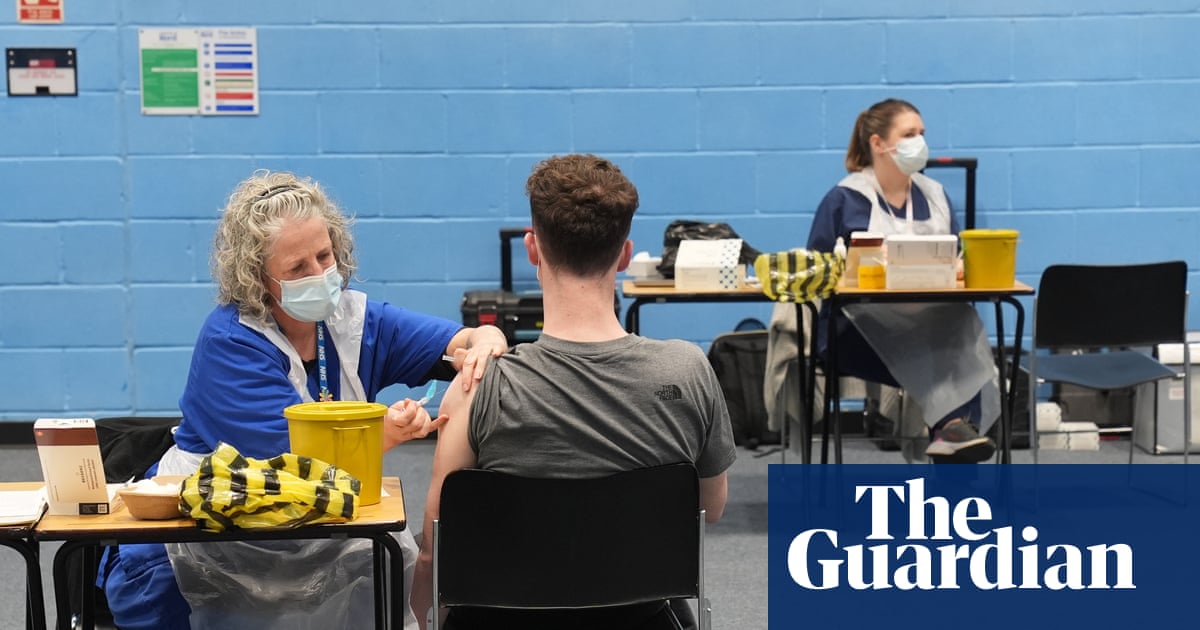
The UK government has announced a one-off MenB vaccination programme for school leavers and some new university and college students after outbreaks in Kent, Dorset and Berkshire left three people dead.
The UK government has announced a one-off meningitis B vaccination programme for about one million school leavers and new students after outbreaks in England raised concern about the risk in communal living settings.
The NHS will begin offering the MenB vaccine in late July, with the catch-up effort aimed at Year 13 pupils and some under-25s starting university or entering residential further education for the first time this autumn. International students in those settings are also included.
Officials tied the move to outbreaks or clusters in Kent, Dorset and Berkshire that were reported to have caused three deaths. MenB is already part of the infant immunisation schedule, but it is not routinely offered to older teenagers.
Health leaders said the targeted offer is intended to protect young people before the autumn period, when invasive meningococcal disease tends to peak.
Who will be eligible
The programme is expected to cover young people born between September 1, 2007 and August 31, 2008, along with people under 25 who are starting university or certain residential further-education settings for the first time this autumn.
That includes students who are about to move into halls of residence or other shared accommodation, where close contact and social mixing can raise the risk of transmission. Officials have described the offer as a one-off outbreak response rather than a routine teenage MenB programme.
The vaccine being offered is Bexsero, and the full course will be two doses at least 28 days apart. The rollout is expected to start in late July, leaving a window before the autumn term begins.
Why the government acted
The decision followed a run of outbreaks that brought fresh attention to meningococcal disease in teenagers and young adults. Reporting on the announcement said recent cases in Kent, Dorset and Berkshire were the trigger for the catch-up programme.
MenB can cause meningitis and sepsis and can worsen quickly, which is why public-health officials have treated the recent clusters as a serious warning. The UK Health Security Agency said invasive meningococcal disease typically peaks in autumn, especially in October and November.
That timing matters because the groups being targeted are the ones most likely to be entering shared living arrangements just as the seasonal risk rises. Officials are trying to vaccinate before students spend the academic year in close-contact settings.
What happens next
The NHS will now have to reach eligible students through the systems it normally uses for public-health campaigns, including app, text and email reminders and local pharmacy routes.
The scale of the programme is significant, but ministers have not said the offer will become a permanent routine vaccine for older teenagers. For now, it is being framed as a one-off response to the recent outbreaks.
Campaigners and student representatives have continued to argue for broader access to MenB vaccination so that cost does not become a barrier for young adults in future. Whether the current programme changes that debate remains open.
What also remains unclear is whether the outbreaks in Kent, Dorset and Berkshire point to a wider shift in MenB risk, or whether they are isolated clusters that prompted an unusually broad catch-up effort. The government is treating the announcement as urgent public-health action ahead of the new academic year.
Revision note
Initial automated publication.