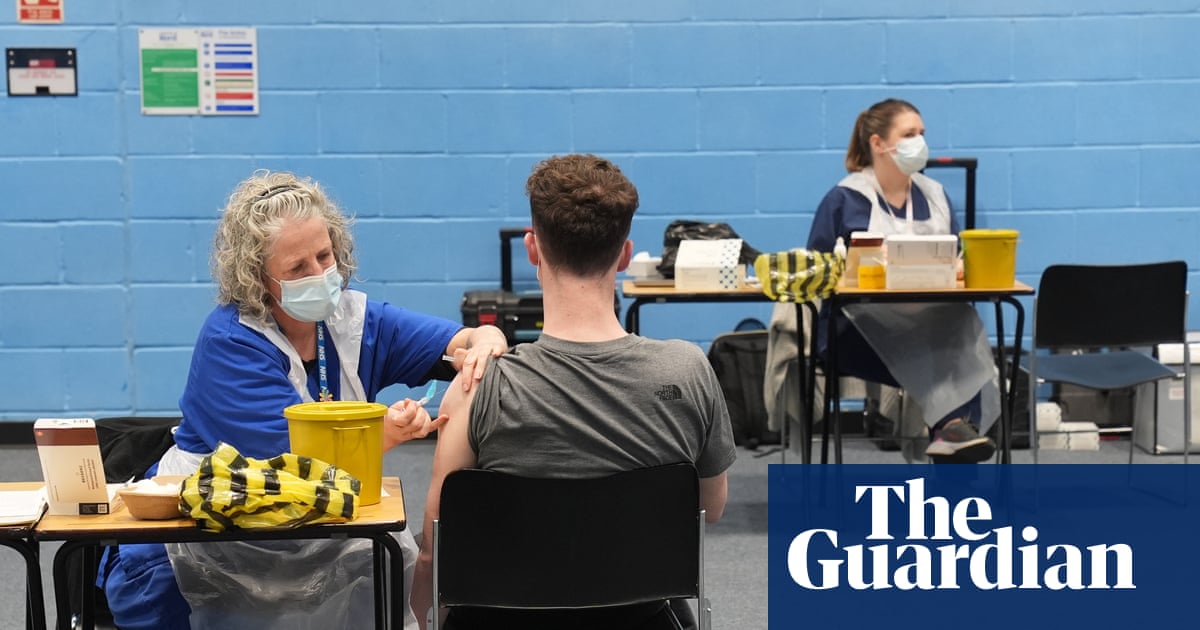
The NHS will launch a one-off MenB vaccination campaign for Year 13 pupils and first-time university or residential college students under 25, after outbreaks in Kent, Dorset and Berkshire linked in reporting to at least three deaths.
The NHS will offer a one-off MenB vaccination programme to older teenagers and first-time university or residential college students under 25 after outbreaks in England linked in reporting to at least three deaths.
The targeted campaign is due to begin in late July and will use Bexsero, the MenB vaccine that reporting says covers most strains of the disease. Eligible people are expected to receive two doses at least 28 days apart.
The offer will apply to people born between 1 September 2007 and 31 August 2008, which corresponds to Year 13-age pupils in England and Wales and the equivalent age group elsewhere in the UK. It will also cover under-25s starting university or some residential further-education settings for the first time in autumn 2026, including international students.
Why the NHS is moving now
The campaign follows a MenB outbreak in Kent earlier in 2026, with smaller clusters later reported in Dorset and Berkshire. Reporting has described the Kent outbreak as unusually severe and fast-moving.
In March, AP reported on the Kent outbreak and the anxiety it caused among university students, including the use of antibiotics and vaccination as officials tried to contain the spread. Later coverage said the response had become broader as more cases emerged.
MenB can cause meningitis and sepsis, and public-health officials treat outbreaks in student settings as especially serious because close living, social mixing and the start of term can help disease spread.
The UK Health Security Agency has said invasive meningococcal disease tends to peak in October and November, which makes the timing of the campaign before the autumn term an important part of the response.
Who will be eligible
The programme is targeted rather than universal. MenB vaccination is already part of the routine NHS childhood immunisation schedule for babies, but it has not been routinely offered to older adolescents before this announcement.
The new offer is aimed at school leavers and new entrants to higher education or residential further education, because those groups are most likely to mix in shared housing and busy campus settings just as the academic year begins.
Reporting says eligible people will be contacted through the NHS app, text message and email. Some under-25 first-time university students will also be able to book through pharmacies.
The age and course-based criteria are intended to catch students before they move into halls or other residential settings, where meningococcal disease can spread more easily.
The outbreak backdrop
The immediate trigger was the cluster in Kent, where outbreaks in spring prompted urgent public-health action. Smaller clusters in Dorset and Berkshire then reinforced concern that the risk was not confined to one area.
The reporting available to date links the outbreaks together in terms of deaths, with some coverage referring to two deaths in Kent and others counting a third death tied to the later clusters. The exact breakdown has not been fully settled in the reporting packet.
That uncertainty does not change the central policy move: officials are using a targeted vaccine push to reduce the chance of further severe illness before the autumn term.
For families, the practical significance is that students who may already have paid privately for MenB protection will now see a broader NHS-backed offer for this age group. The campaign should narrow access gaps for those who were previously outside routine adolescent vaccination.
Policy questions ahead
The announcement also leaves a larger policy question open. It is not yet clear whether ministers and advisers will treat this as a one-off outbreak response or as the basis for a broader routine MenB offer to older children and young adults.
The Joint Committee on Vaccination and Immunisation is part of the wider policy picture, and the current campaign may influence later decisions about whether the NHS should widen protection beyond babies.
The immediate operational test will be uptake. Health officials will want school leavers to engage quickly, and they will also need to reach students who are preparing to move, may already have left school, or are arriving from overseas.
What happens next
The next key step is the official rollout notice from NHS England or UKHSA, which should confirm booking details, local access points and how the campaign will operate in practice.
The main public-health goal is to reduce the risk of further cases before the autumn university term, when invasive meningococcal disease is most likely to circulate in close-contact settings.
Officials will also be watching for any new clusters before students return to campus, along with the final official toll from the spring outbreaks. For now, the NHS is moving ahead with a targeted campaign designed to interrupt transmission before the highest-risk season arrives.
Revision note
Initial automated publication.