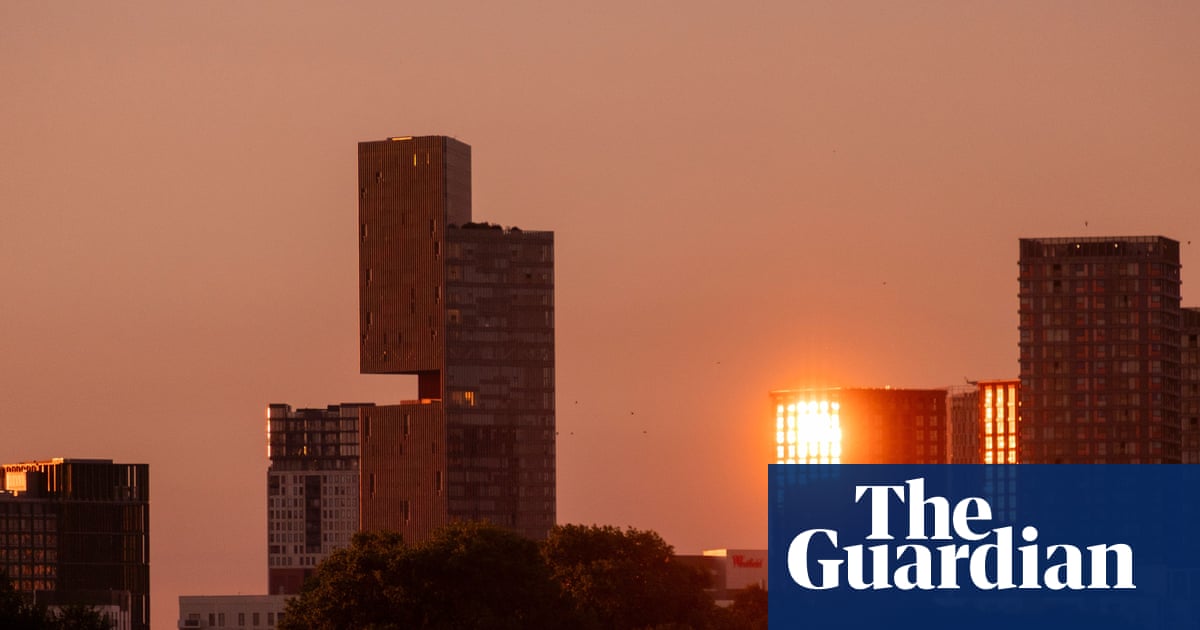
Schools in parts of England and Wales are changing schedules, relaxing uniform rules and closing early as the Met Office issues a rare red extreme-heat warning for Wednesday and Thursday.
Schools in parts of England and Wales are changing the school day as the Met Office issues a rare red extreme-heat warning for Wednesday and Thursday, with forecasts pointing to temperatures in the high 30s and humidity adding to the strain.
The response is already visible across multiple schools, with some moving to early finishes, others relaxing uniform rules, and at least one planning to close completely for the hottest days.
Schools move first
Reported measures include early finishes, shortened days, relaxed uniform rules and a switch to online teaching for part of the timetable. The changes are intended to reduce time in hot classrooms and limit the risks for pupils and staff.
Kingdown School in Warminster is finishing at 12:25pm from Monday to Thursday, according to reporting published on June 22, 2026. Wren Academy in Enfield is closing at 1:50pm on Tuesday, Wednesday and Thursday, with afternoon teaching moved online.
Kingsholm C of E Primary School in Gloucester has told pupils to wear PE kits and is ending the school day at 1:30pm. Isebrook School in Kettering is planning full closures on Wednesday and Thursday.
The schools named in early reporting are not necessarily the only ones making adjustments. But they show how quickly the heat is already affecting the structure of the school day before the hottest period arrives.
A rare red warning
The school changes come as the UK faces a rare red weather warning from the Met Office for parts of England and Wales. The warning covers Wednesday and Thursday and reflects the elevated risks posed by the heat, rather than routine summer weather.
Forecast temperatures are being reported at around 38C to 40C in the worst-affected areas, with humidity expected to make conditions feel more oppressive. The broader heatwave has already raised concern about public health and pressure on services.
The red warning is the strongest heat alert used by the Met Office and signals a danger to health even for healthy people. That is the backdrop against which schools are making decisions about opening hours, outdoor activity and classroom conditions.
Why schools are acting
Schools are not automatically required to close because of hot weather. The Department for Education says the choice is up to each school, not the local authority, and that many hot-weather problems can be managed with practical adjustments.
Those adjustments include sunscreen, relaxed uniform rules, adapted PE lessons, ventilation and other steps to reduce exposure to the sun and heat. The guidance reflects the fact that schools vary widely in building design, airflow and access to shade or cooling.
The National Association of Head Teachers says there is no legal upper temperature limit for schools. Its message is that schools will try to cope through more water, looser uniform expectations, less time in the sun and better ventilation.
That approach helps explain why the response is uneven. Some schools can adapt timetables and use online learning for part of the day. Others are choosing to close early, or to shut entirely, where classroom conditions are expected to become too difficult to manage safely.
What happens next
The scale of disruption remains uncertain. More schools may change hours or close if the heat proves more severe than expected, especially if the peak on Wednesday and Thursday coincides with already difficult building conditions.
The main questions now are how many schools will follow, whether the Met Office revises or extends its warning, and whether the Department for Education or local authorities issue any further advice before the hottest period arrives.
For now, the immediate pattern is clear. Schools are treating the heat as a safety issue, not a routine inconvenience, and are changing the school day to reduce risk for pupils and staff.
Revision note
Initial automated publication.