A record June heatwave is forcing UK schools, care homes and workplaces to improvise around a rare red heat warning, with closures, cooling measures and shift changes spreading across affected sectors.
Schools face a patchwork response
UK schools, care homes and workplaces are struggling to cope as a record June heatwave pushes temperatures to dangerous levels across parts of the country.
The immediate pressure has been felt most sharply in southern and central England, where schools have been deciding whether to remain open, shorten the day or close altogether. Guardian reporting said about 300 schools in Somerset, Gloucestershire and Buckinghamshire were closing on Wednesday and Thursday, while others tried to stay open.
The disruption has exposed how many school buildings and daily routines are still poorly adapted to extreme heat. In some cases, the problem is not only comfort but whether classrooms can stay safe and usable at all during the hottest part of the day.
Heat warning turned into a live operational problem
The warning signs built through the week. On June 22, the Met Office issued a rare red extreme heat warning for parts of the UK, and the UK Health Security Agency issued a red heat-health alert for six English regions.
By June 24, coverage said the UK had recorded its hottest June day on record, with temperatures around 35.8C to 36.1C reported in southern England. That turned the heatwave from a forecast into an immediate operational problem for public services, businesses and workers.
The Guardian published its main report on how schools, care homes and other workplaces were coping on the morning of June 24, as temperatures continued to rise. The timing underlines that this was not just an early warning story, but a live disruption story with consequences already playing out.
Care homes lean on emergency cooling measures
Care homes are among the most vulnerable settings because many residents are older and medically frail. The National Care Association's Nadra Ahmed said homes should have been preparing since early March and that protecting residents has to come first.
Guardian reporting said care homes were using fans, air conditioners, ice lollies, cool rooms and increased monitoring to reduce risk. Those measures can help, but they also show how dependent many facilities remain on improvised cooling rather than buildings designed for repeated extreme heat.
The stakes are high. Vulnerable older people face a greater risk of heat-related illness, and care homes cannot simply ignore the temperature outside. They have to manage hydration, comfort and close observation while keeping services running.
Workplaces reshape shifts and safety rules
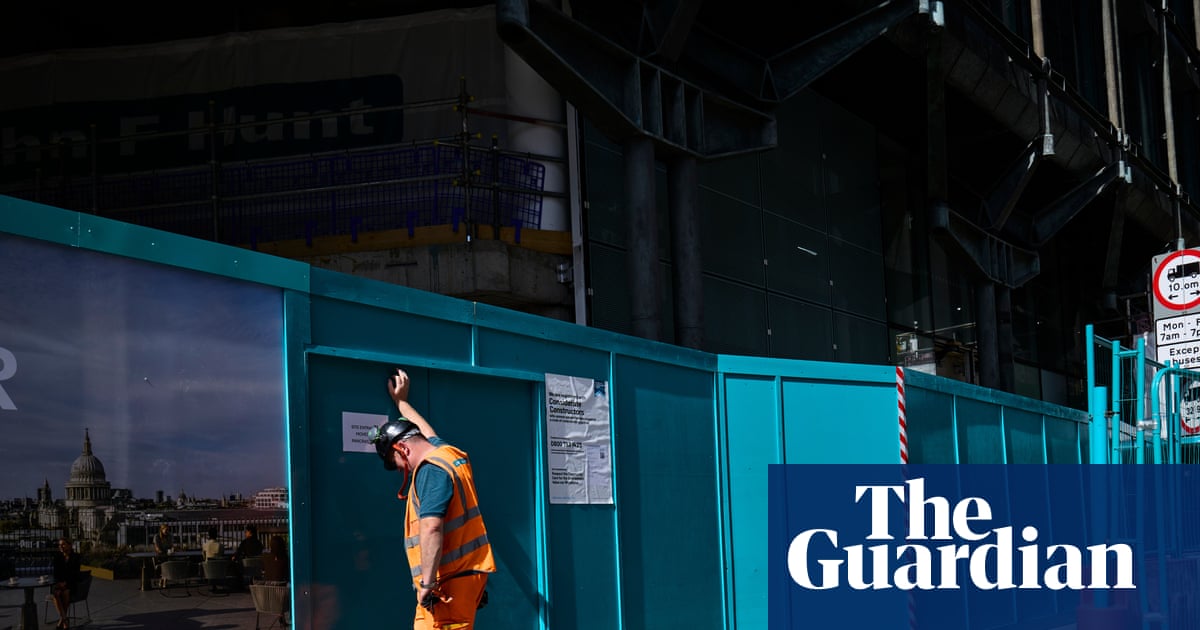
Workers in hot indoor and outdoor environments are facing similar pressure. Guardian reporting said restaurants, market traders, farmers, transport workers and zoos were all adapting operations because of the heat.
Unite called for a maximum working temperature of 27C for strenuous work and said work should stop altogether in extreme red-alert conditions. That demand reflects the safety concerns around heat stress, dehydration and the risk of mistakes or injury when people are working in oppressive conditions.
The wider problem is that many UK workplaces were not built for prolonged high temperatures. In practice, employers are being forced to rework shifts, pace activity differently and decide how much risk is acceptable when normal routines stop being workable.
Official advice meets real-world limits
The Department for Education's position, as reported by Guardian, is that schools in England should remain open even in hot weather. On the ground, that leaves headteachers balancing official expectations against building conditions, pupil welfare and staff safety.
The result is a fragmented response rather than a single national shutdown. Some schools are closing, some are shortening hours and some are staying open with temporary precautions.
That tension is part of the bigger story. The heatwave is not only testing emergency planning; it is showing how public guidance can run up against the physical limits of old buildings and tight routines.
A wider infrastructure problem
The disruption goes beyond schools and care homes. Restaurants, transport workers, market traders, farmers and zoos are all having to change how they operate, which suggests the effects are spreading through ordinary daily life rather than staying confined to one sector.
The underlying issue is structural: large parts of the UK's school, care and work infrastructure were not designed for recurring extreme heat. Many buildings still depend on ventilation, routine schedules and working assumptions better suited to cooler weather.
The immediate crisis may ease when temperatures fall, but the longer-term question remains whether the UK can keep functioning normally during heatwaves that are becoming harder to treat as exceptional.
What happens next
The key questions now are whether the red warning is extended, downgraded or allowed to end after Thursday, and whether more schools move to closures or shorter days.
There is also pressure on ministers and regulators to decide whether new workplace-temperature guidance is needed and how many care homes still lack adequate cooling. For now, the heatwave is forcing schools, care homes and employers to improvise in real time.
,Revision note
Expanded initial publication with full verified chronology, sector-by-sector impact and next-step context.