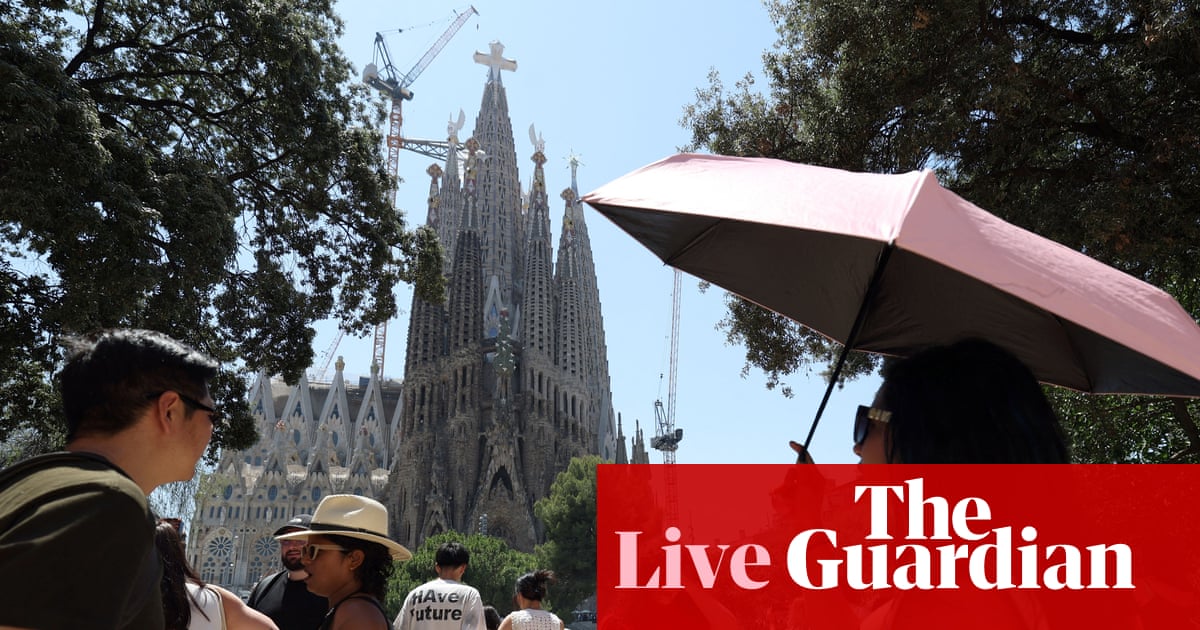
UKHSA has issued amber heat-health alerts across nine English regions as temperatures are forecast to reach 35C to 36C during the UK’s third heatwave of 2026. Officials warned that older adults and people with existing conditions remain at risk, while fire crews and grid operators face added pressure.
Amber alerts spread across England
The UK Health Security Agency has issued amber heat-health alerts across most of England as forecasters warn that temperatures could climb to 35C or 36C during the country’s third heatwave of 2026.
The alerts came into force at noon on July 9 and are due to run until 9 p.m. on July 12. They cover the North West, Yorkshire and the Humber, the East Midlands, the West Midlands, the East of England, London, the South West and the South East. The North East remains on yellow.
UKHSA uses heat-health alerts to signal the likelihood of extra pressure on health and social care services during hot weather. The amber level indicates a higher risk than yellow, particularly for older adults and people with pre-existing conditions.
Why the warning was escalated
The current escalation follows forecasts that the hottest period will come on July 9 and July 10, with London and Cambridgeshire among the areas mentioned for the highest readings.
Dr Agostinho Sousa, a UKHSA official, said the agency does not currently expect health impacts to be as severe as those seen in the late-June heatwave. He said vulnerable people are still at risk and should take precautions.
UKHSA’s advice, repeated in coverage on July 9, included staying hydrated, avoiding the hottest part of the day and keeping homes cool.
Pressure beyond public health
The hot spell is also raising concern for emergency services. The National Fire Chiefs Council has warned that hot, dry and windy conditions increase wildfire risk and urged people to avoid careless outdoor fire sources such as disposable barbecues.
That warning comes as much of England experiences very dry ground and strong sunshine, conditions that can make grassland and other vegetation more vulnerable to ignition and rapid spread.
Separate coverage on July 9 also reported that Great Britain’s grid operator had warned the heat could strain power supplies, adding another layer of pressure during the same weather episode.
What happens next
The forecast suggests the heat should ease in southern and eastern England by the weekend, although very warm conditions may persist longer in the southwest. Thunderstorms remain possible in some areas.
For now, officials are focused on the combined impact of high temperatures, dry conditions and the strain on health, fire and infrastructure services. The next major questions are whether the Met Office shifts the temperature peak above or below 36C, and whether UKHSA keeps the amber alerts in place through July 12 without extension.
Revision note
Initial automated publication with expanded verified context.