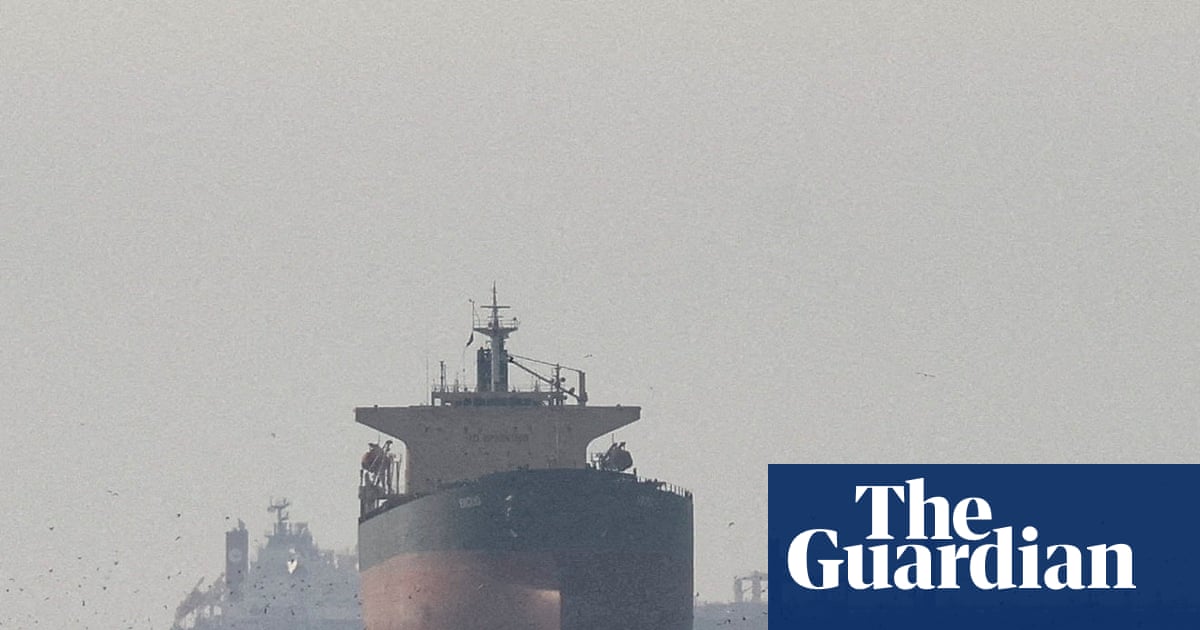
The International Maritime Organization is preparing an evacuation of more than 11,000 stranded seafarers from the Strait of Hormuz, where months of conflict-related disruption left hundreds of ships unable to move. The plan depends on confirmed safe transit routes and coordination with regional powers, even as some vessels have started crossing again.
The International Maritime Organization is preparing a large-scale evacuation of more than 11,000 stranded seafarers from the Strait of Hormuz, according to reporting on Tuesday, as the shipping lane begins to show cautious signs of reopening after months of disruption.
The plan is still contingent on confirmed safe transit routes through the waterway, one of the world’s most important chokepoints for oil and cargo traffic. Axios reported that nearly 600 ships are unable to move in the region and that the evacuation would begin only once those routes are established.
IMO Secretary-General Arsenio Dominguez said 14 seafarers have died during the crisis. He described the effort as a large-scale operation involving the U.S., Iran, Oman and other regional actors.
What the IMO is planning
The immediate goal is to move stranded crews out of the danger zone and restore a workable flow through the strait. The evacuation would focus on seafarers who have remained aboard vessels that have been unable to move because of the prolonged disruption.
Reporting so far indicates that the operation has not yet started. The crucial step remains the confirmation of designated safe routes, which would allow the IMO and regional authorities to move ships and crews under an agreed framework.
That makes the effort both a humanitarian response and a logistics operation. The same corridor that has trapped thousands of sailors will also have to support any evacuation, which means the timetable depends on coordination among maritime authorities and governments that have influence over the waterway.
How the crisis developed
The Strait of Hormuz has been under pressure since the 2026 conflict in the region disrupted normal shipping. In April, The Guardian reported that Dominguez was already working with relevant parties on a mechanism to ensure the safe transit of ships through the strait.
That earlier reporting said about 2,000 ships and 20,000 seafarers had been stranded in the Gulf since the conflict began, showing how broad the shipping disruption had become. The newer Axios report suggests the problem later narrowed into a still-severe backlog of crews and vessels waiting for movement.
The chronology also points to a gradual and uneven recovery rather than a clean reopening. The latest reporting does not describe a return to normal traffic. Instead, it suggests that maritime authorities are trying to create a controlled passage for evacuation while broader shipping resumes only cautiously.
Signs of shipping resuming
There are early indications that some vessels are beginning to cross again. The Economic Times reported on June 24 that eleven India-bound vessels had crossed the Strait of Hormuz since a June 17 U.S.-Iran memorandum of understanding, suggesting that limited traffic is restarting.
That report also said Oman has committed to toll-free movement through the strait. Taken together, those signals point to a managed reopening rather than an immediate full normalization.
For shipping companies, that distinction matters. A partial reopening can reduce immediate risk and allow some freight to move, but it does not automatically clear the backlog of stranded crews or restore reliable schedules for the wider industry.
Why the strait matters
The Strait of Hormuz is one of the world’s most sensitive maritime routes, linking major energy producers and global markets. Any prolonged disruption there can affect oil shipments, cargo flows and the wider supply chain.
That is why the stakes extend beyond the crews waiting to be evacuated. The same uncertainty that has stranded seafarers has also created risk for shipping operators, regional governments and customers dependent on regular transit through the waterway.
The involvement of the U.S., Iran, Oman and other regional actors reflects that wider importance. Securing safe passage through the strait is not just a maritime issue; it also requires political coordination and practical guarantees that ships and crews can move without becoming targets of the conflict.
What happens next
The key unanswered questions are whether the IMO will issue a formal operational notice, which states or agencies will guarantee safe passage, and how quickly the first wave of crews can move.
Reporting also leaves open how many vessels are still stranded and whether the evacuation will begin in stages. The current picture is one of partial recovery, with some traffic returning while thousands of sailors still need a safe route out.
For now, the most important development is that the response has shifted from emergency planning to a concrete evacuation proposal. Whether it succeeds will depend on the same fragile corridor that has defined the crisis from the start.
Revision note
Initial automated publication.