The United States and Iran exchanged fresh strikes after attacks on commercial vessels in the Strait of Hormuz, while President Donald Trump briefly declared the ceasefire over before softening his stance. Oil prices rose as the risk of wider conflict and shipping disruption increased.
The United States and Iran moved closer to renewed war on July 8 after the fiercest exchange of fire since their truce, with fresh strikes, retaliatory missile attacks and a new sanctions move deepening the crisis around the Strait of Hormuz.
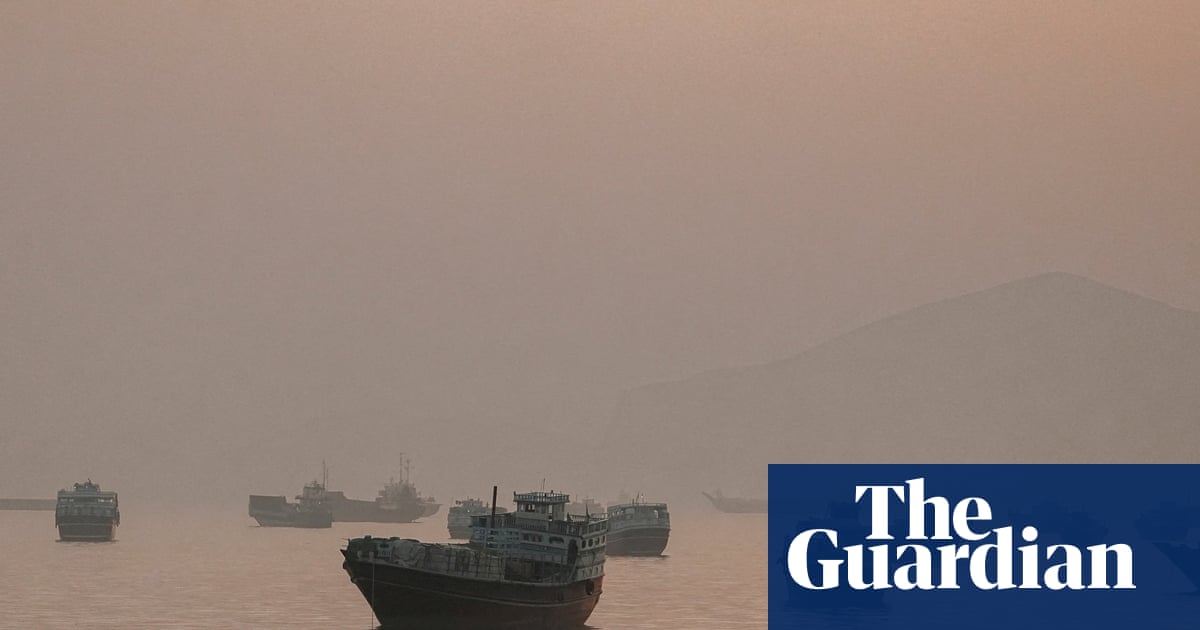
The latest escalation began after Iranian attacks on three commercial vessels in the strait, one of the world’s most sensitive shipping lanes. In response, the United States launched another wave of strikes on Iran, according to the reporting.
Iran then retaliated with missile strikes on U.S. military positions in Bahrain and Kuwait. The reported attacks widened the confrontation beyond the Gulf waters themselves and raised the risk that the fighting could spread further.
President Donald Trump initially said the ceasefire was over, then later softened that position. He also threatened further military action, including possible strikes on Kharg Island, before signaling that he wanted to avoid a full-scale war.
The U.S. also revoked a sanctions waiver that had allowed Iranian oil exports, adding economic pressure on Tehran at the same time as military pressure was increasing. The move gives Washington another lever over Iran’s energy income while the ceasefire remains fragile.
Oil prices rose after the renewed hostilities, reflecting concern that the fighting could disrupt shipping through the Strait of Hormuz or affect wider energy flows. Markets have been especially sensitive to any sign that tankers or other commercial traffic could be targeted again.
Why the Strait matters
The Strait of Hormuz is the strategic trigger point in this conflict because attacks there immediately threaten global shipping and energy supplies. That makes each new exchange of fire more consequential than a bilateral clash alone.
The latest violence also landed while diplomatic efforts were under strain and during the NATO summit in Ankara, where leaders were watching for any sign that the ceasefire would collapse entirely. The reporting suggests the truce is still technically alive, but badly weakened.
The fighting has now drawn in the U.S. military, Iranian forces, Gulf states hosting U.S. positions and commercial shipping moving through the region. Bahrain and Kuwait became part of the retaliation picture after Iran’s missile strikes were reported there.
How the escalation unfolded
The reported sequence matters. The vessel attacks in the strait came first, then the U.S. responded with strikes on Iran, and Iran answered with missile fire at U.S. positions in Bahrain and Kuwait. That chain turned a maritime flashpoint into a broader regional confrontation.
Reporting also said Trump threatened further action before moderating his language. That shift matters because it leaves Washington’s next move uncertain even after the president publicly framed the ceasefire as over.
The sanctions waiver revocation adds a second track of pressure. Even if the fighting pauses, the oil measure signals that the United States is also trying to squeeze Iran economically while the military picture remains fluid.
Market and security risks
Oil traders reacted quickly because the Strait of Hormuz is central to global energy shipping. Any sustained threat to commercial vessels can send prices higher, and the latest spike reflected concern that the conflict could do more than produce a short-lived exchange.
The risk is not only to oil markets. U.S. forces in the region, Gulf allies and civilian shipping all face greater exposure if either side broadens the targets or if miscalculation leads to another round of strikes.
For Iran, the danger is that retaliation may invite more direct U.S. action. For Washington, the danger is that an effort to deter Tehran could instead produce a cycle that is harder to stop.
What happens next
The immediate questions are whether the U.S. or Iran launches more strikes, whether Tehran expands attacks beyond Bahrain and Kuwait, and whether the ceasefire is still treated as technically valid by either side.
Officials and markets are also watching for any follow-up on the revoked sanctions waiver and whether the United States imposes additional measures against Iranian oil exports. That would harden the economic front of the dispute even if the military front cools.
The next signposts will be official statements, shipping conditions in the Strait of Hormuz, and whether oil prices keep climbing. Any resumption of diplomacy would suggest the truce still has life; any new strike would suggest it is slipping toward collapse.
For now, the conflict has moved from a fragile ceasefire into a far more dangerous phase. The reported attacks on ships, the U.S. strikes, Iran’s missile response and the new sanctions pressure together have pushed the region closer to open war than at any point since the truce began.
Revision note
Expanded with full verified chronology, market context, and next-step coverage.