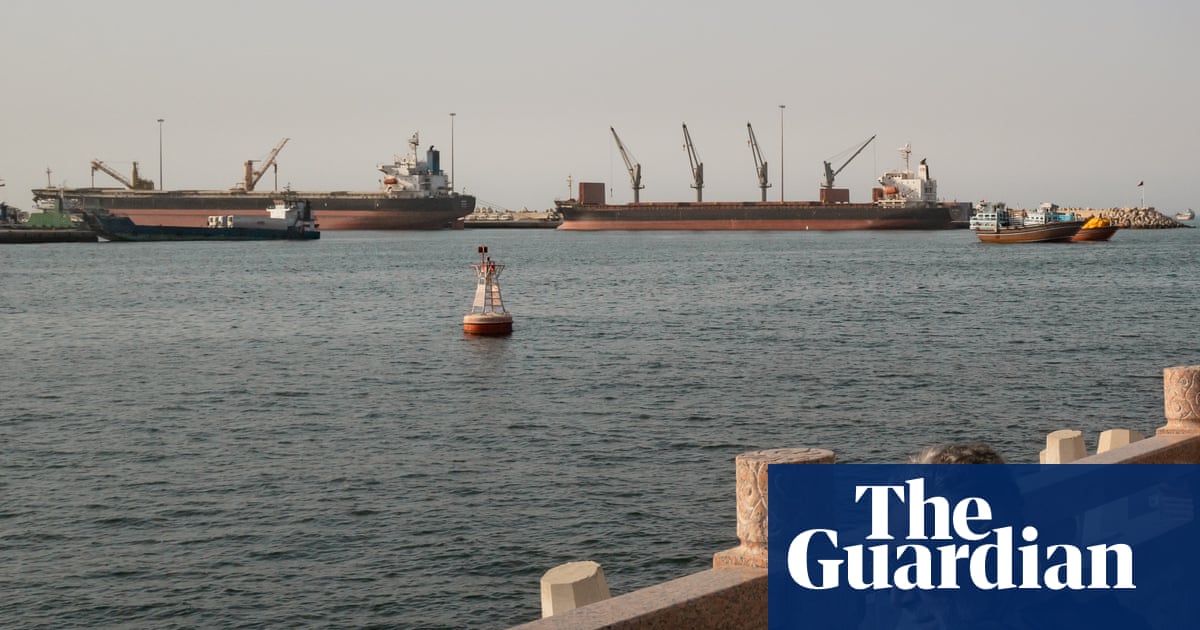
Financial Times reporting says Iran has circulated a document requiring approved insurance for ships crossing the Strait of Hormuz, free for now but potentially fee-bearing after a 60-day grace period.
Financial Times reporting says Iran has circulated a document that would require ships crossing the Strait of Hormuz to carry insurance approved by the new Persian Gulf Strait Authority, or PGSA.
The document reportedly says the insurance would be free for now, but it also leaves open the possibility of future fees. Shipping executives have warned that the wording could point toward a toll-like system or a maritime services fund.
The development comes as shipping resumes under the US-Iran accord, but the long-term administration of the waterway remains unsettled. The Strait of Hormuz is one of the world’s most important energy chokepoints, carrying large volumes of oil and LNG trade.
What Iran is signaling
According to the FT, the PGSA document ties the insurance requirement to a 60-day grace period. That makes the immediate issue less about an upfront charge and more about what happens once the grace period expires.
It is not yet clear whether the paper is a binding rule, a draft proposal or a negotiating position. That distinction matters because any formal fee regime would have direct implications for tankers, LNG carriers, insurers and port and shipping operators.
The reported requirement would apply to vessels crossing the strait, including the large ships most exposed to any added compliance burden. Even if the insurance is initially free, a mandatory approval process could still slow operations and raise uncertainty for carriers planning routes and coverage.
Industry groups cited in earlier FT reporting warned that the structure could be used to justify a charge for passage. That is the concern now driving the strongest reaction from shipping firms: not just the insurance paperwork, but what it might evolve into.
Chronology and disruption
The latest reports sit on top of a fast-moving sequence. On June 18, the FT reported that the US-Iran accord opened the way for possible Hormuz charges and that the shipping industry was already warning about the risk.
On June 19, the FT said Iran had circulated the insurance document. A further update later the same day said the story remained active and within the first-publication freshness window.
That broader backdrop remains unsettled as well. The Guardian reported on June 19 that normal shipping has still not fully resumed because about 80 naval mines are blocking the main route and clearance work is continuing.
The Guardian also said about 600 ships remain anchored in the Gulf, while some vessels are using riskier routes or paying tolls through Iranian waters. Those conditions suggest that even with the accord in place, traffic through the region is still far from normal.
Why it matters
Any new fee or insurance-linked charge could raise transit costs for tankers and LNG carriers passing through the strait. That would matter for exporters, importers and shipping companies already operating on thin margins in a high-risk corridor.
The legal stakes are also significant. Charging for passage through an international waterway, or requiring approved insurance as a condition of entry, could trigger disputes over whether the arrangement is a legitimate maritime service or an improper toll.
The reporting also points to a broader question of control. If the PGSA is granted authority over insurance approval and later fees, that could set a precedent for how the strait is governed after the accord.
For now, the main uncertainty is whether Tehran has formally implemented the rule or only signaled it through a circulated document. Another open question is whether the 60-day period begins from the accord itself or from the document’s circulation.
The next indicators to watch are formal responses from the US, Oman and Gulf states, any statement from major shipping insurers, and vessel movement data showing whether traffic normalizes or remains constrained.
Revision note
Expanded the article with chronology, legal stakes, shipping impact, and open questions.