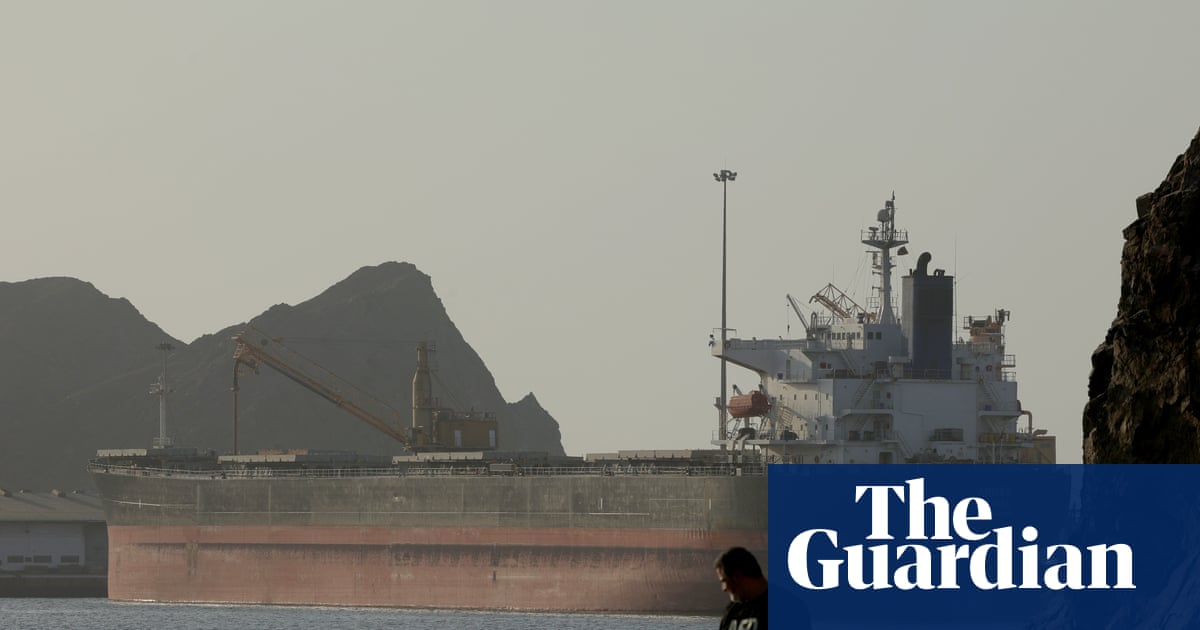
Multiple outlets report a preliminary US-Iran memorandum that would pause hostilities, reopen the Strait of Hormuz to commercial shipping, waive some oil sanctions and tie broader relief to nuclear compliance and Lebanon terms.
Multiple outlets reported on June 17, 2026, that the United States and Iran had reached a preliminary memorandum of understanding with immediate implications for shipping, sanctions enforcement and the fighting tied to Lebanon.
The reported arrangement is significant because it bundles issues that have often moved separately: access through the Strait of Hormuz, limited oil relief, nuclear compliance, and a ceasefire framework that includes Lebanon.
What the reported deal covers
According to the reporting, the agreement would begin with an immediate halt in military activity, including on the Lebanon front, and open a 60-day window for follow-on talks toward a broader settlement.
The same reporting says Iran would have to downblend, or dilute, part of its enriched uranium stockpile under UN or International Atomic Energy Agency supervision. That makes verification central to the reported package.
In return, the United States would issue immediate waivers covering Iranian crude oil exports and related banking transactions. Broader sanctions relief and access to frozen Iranian assets would remain conditional on compliance.
That structure gives both sides something tangible at the outset, but it also leaves the most politically sensitive concessions for later implementation.
Hormuz and oil flows
A central part of the reported memorandum is the reopening of the Strait of Hormuz to commercial shipping.
The reporting says the passage would be toll-free for a limited period, described in some accounts as 60 days, before Iran could seek to charge transit fees afterward. Other reports differ on whether reopening is immediate or phased in over roughly 30 days.
That distinction matters because the Strait of Hormuz is one of the world’s most important oil shipping chokepoints. Even short disruptions can affect tanker routes, insurance costs and crude flows from the Gulf.
The immediate oil-sanctions waivers are also notable because they would allow some trade to resume before the broader sanctions package is resolved.
Lebanon and regional stakes
Lebanon is part of the reported deal because the broader Israel-Hezbollah conflict remains a major source of regional instability.
The reporting says the ceasefire language is tied to the wider memorandum rather than treated as a separate track. That makes the Lebanon terms politically important for both Washington and Tehran.
For the United States, the reported arrangement offers a way to reduce active fighting while preserving leverage through conditional relief. For Iran, it would create a path to oil revenue and easier shipping access, but only if the nuclear terms and the wider pause in hostilities hold.
What is confirmed and what remains unclear
The reporting is consistent on several core points: a preliminary US-Iran memorandum, immediate oil-export waivers, a temporary reopening of Hormuz and a 60-day negotiation window tied to broader compliance.
There are still important uncertainties. Some reports describe the deal as signed and finalized electronically, while others call it preliminary.
The outlets also differ on whether the Strait of Hormuz reopening is immediate or phased, and on whether Lebanon is explicitly named in the ceasefire text or only covered by broader political terms.
Those differences matter because implementation details will determine whether the deal is a symbolic breakthrough or an enforceable shift.
Why it matters now
The stakes extend well beyond the bilateral relationship. The deal, if implemented, would affect global oil shipping and prices, Iranian sanctions enforcement, regional ceasefire durability in Lebanon, nuclear nonproliferation verification and US credibility on follow-through.
The reported package also carries political risk in all three capitals named in the reporting. Any gap between announcement and implementation could quickly trigger backlash in Washington, Israel or Tehran.
What to watch next
The next milestones are straightforward: whether the full text of the memorandum is officially released, whether either side publicly confirms or disputes the Hormuz and Lebanon terms, and whether the US publishes the promised waivers.
Another key test is whether shipping through Hormuz actually resumes at scale and whether the toll-free period lasts as reported.
Over the longer term, the durability of the arrangement will depend on whether the 60-day talks produce a more complete settlement and whether nuclear compliance can be verified under UN or IAEA oversight.
Revision note
Initial automated publication.