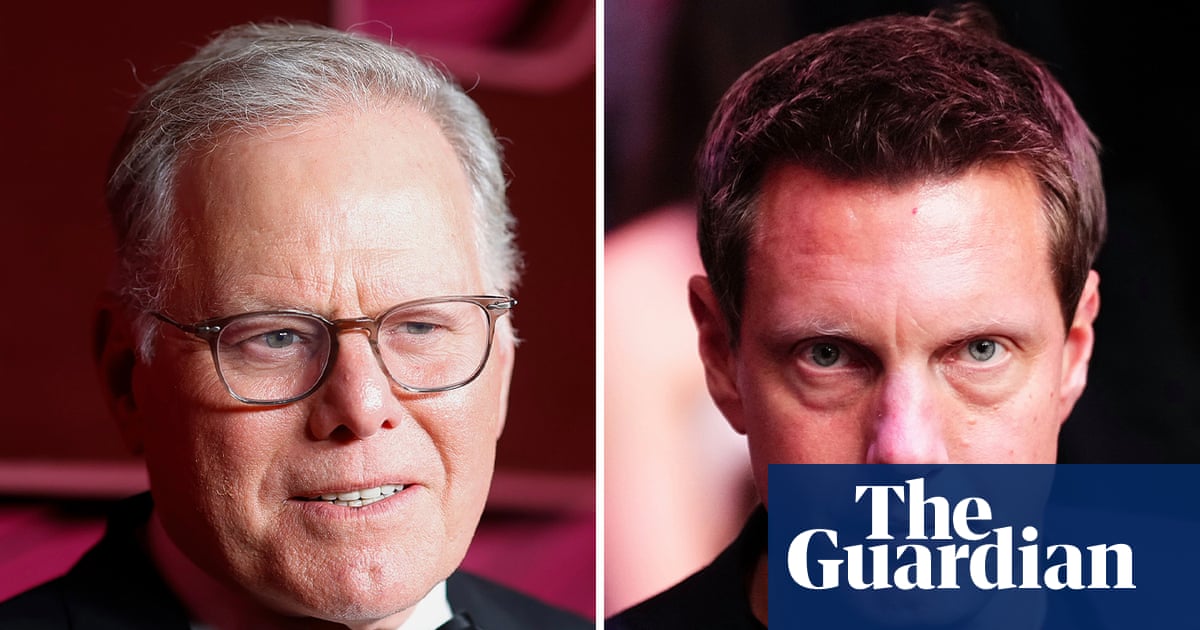
The U.S. Department of Justice has approved Paramount Skydance's roughly $111 billion acquisition of Warner Bros. Discovery, according to multiple reports. The reported clearance came without conditions, but foreign regulators and possible state legal action still pose obstacles.
The U.S. Department of Justice has approved Paramount Skydance's roughly $111 billion acquisition of Warner Bros. Discovery, removing the biggest U.S. antitrust hurdle in one of the largest media combinations in years.
The approval was reported on June 12 by multiple outlets, including Axios, The Guardian and the New York Post. Axios said the clearance came without conditions, while The Guardian reported that antitrust officials found no significant threat to competition in streaming, linear TV or film production.
The transaction would bring together a wide range of media assets under one corporate umbrella if it closes, including CBS, CNN, Warner Bros. and HBO.
Federal clearance
The reported DOJ decision is a major milestone for the deal. According to Axios, Paramount said it was grateful for the department's thorough review and for the work of other agencies that had already cleared the transaction.
Axios also reported that the DOJ said state attorneys general participated in the investigation through voluntary confidentiality waivers. That detail suggests the review included input from state-level officials even as the federal government moved to clear the merger.
The Guardian described the transaction as valued at about $111 billion. Axios and the New York Post referred to it as roughly $110 billion. The coverage agrees on the broad scale of the deal and on the central point that the Justice Department has now approved it.
What still stands in the way
The approval does not mean the merger is finished. The New York Post reported that the transaction still awaits regulatory approval in the European Union and the United Kingdom.
That means the closing timetable can still shift depending on how foreign regulators proceed. Even with the federal antitrust review cleared, the companies still need to navigate non-U.S. approvals before they can complete the combination.
Possible litigation in the United States is another open risk. Axios and the New York Post both reported that state attorneys general in California and New York were considering legal action to block the merger.
Those threats matter because state-level lawsuits could seek to delay or complicate the transaction even after federal approval. The public reporting so far does not include a formal DOJ press release or consent filing explaining the full basis for the clearance.
Industry stakes
The merger has drawn attention because of the scale of the media assets involved and the broader questions it raises about consolidation in streaming, linear television and film production.
Critics of the deal have raised concerns about competition, editorial independence and potential job cuts. Those issues remain part of the public debate even after the federal review cleared the way in the United States.
For now, the deal has moved from the core antitrust fight in Washington to the next phase of foreign review and possible state litigation. The key questions now are whether regulators outside the U.S. will add conditions, whether state officials will sue, and when the companies expect the transaction to close.
Revision note
Initial automated publication.