The U.S. revoked a temporary waiver allowing limited Iranian oil sales after attacks on commercial vessels in the Strait of Hormuz, escalating tensions and adding to oil-market volatility.
The U.S. has revoked a temporary waiver that allowed limited Iranian oil sales after attacks on commercial vessels in the Strait of Hormuz, according to multiple reports published on July 7 and July 8. The move adds a sanctions response to an already sharp military and maritime escalation in one of the world’s most sensitive oil shipping lanes.
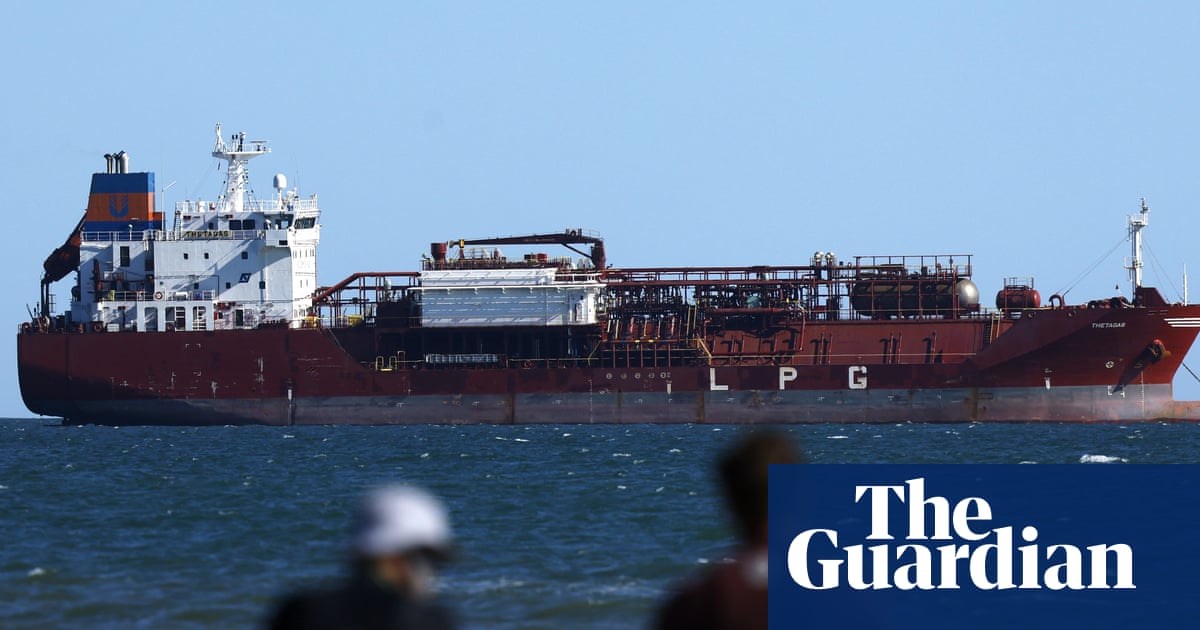
The decision follows renewed attacks on tankers and other commercial shipping in the strait, a chokepoint for global crude flows. Reporting said the attacks disrupted traffic through the waterway and helped push oil prices higher as traders priced in the risk of supply interruption.
Axios reported that a U.S. official described the waivers as performance-based and said they were withdrawn because Iran violated the agreement. The Wall Street Journal also reported that the sanctions move came amid a broader exchange of strikes and was part of the latest confrontation tied to the Strait of Hormuz crisis.
Iran’s position in the coverage is the opposite: officials there say Washington is the side breaking the agreement. That leaves the legal and diplomatic basis for the revocation contested even as the practical effect is to tighten pressure on Iranian oil exports.
What happened
The revocation is the latest step in a fast-moving sequence that began with attacks on commercial vessels in the Strait of Hormuz. Reporting said the attacks were serious enough to interrupt shipping and trigger immediate concern across energy and freight markets.
By July 8, additional coverage said the escalation had widened into a larger oil-market shock. The Guardian reported that Brent crude rose nearly 6% and moved above $80 a barrel after the tanker attacks, underscoring how quickly the market reacted.
MarketWatch said the removal of the waiver was expected to further constrain supply and add to the market’s risk premium. That effect matters because even limited disruption in the strait can ripple through crude futures, insurance costs and freight rates.
Why the strait matters
The Strait of Hormuz is one of the most important arteries for seaborne oil. When shipping there becomes unreliable, the impact can extend well beyond the immediate area because traders, shipowners and insurers all reprice risk at once.
That is why the current episode is both a security story and an energy story. The same events that raised fears of wider regional escalation also pushed oil markets higher and intensified scrutiny of the route itself.
The reporting places the strikes, the sanctions move and the price reaction in the same sequence. In practice, the military and economic responses are reinforcing each other: attacks on shipping raise the cost of transport, while sanctions on Iranian oil tighten the supply outlook.
Competing claims
The U.S. framing, as described by Axios, is that the waiver was tied to conditions and was withdrawn after Iran failed to hold up its side of the arrangement. In that account, the shipping attacks were the breach that justified the policy reversal.
Iran’s position in the coverage is that the U.S. is the party violating the agreement. That dispute matters because it shapes whether the revocation is seen as routine enforcement or as part of a broader escalation cycle.
The reports do not resolve that argument, and they do not yet spell out the full legal theory behind the U.S. move. They do, however, show that the revocation is being treated as part of a wider confrontation rather than a standalone sanctions action.
What is known and what is not
What is clear is that the U.S. revoked a temporary waiver that had allowed limited Iranian oil sales. It is also clear that the step followed attacks on commercial vessels in the Strait of Hormuz and came alongside broader military and economic pressure.
What remains unclear is which U.S. office issued the revocation and what exact legal authority it used. The reporting also does not establish how long the waiver revocation will remain in force.
The number of vessels attacked, the amount of damage and whether there were casualties are also not fully specified in the material reviewed. Likewise, it is not clear from the reporting whether Iran explicitly claimed responsibility for the tanker attacks.
What to watch next
The immediate questions are whether the U.S. Treasury, State Department or White House issues a formal statement spelling out the revocation, and whether Iran responds with a new public rebuttal or further retaliation.
Another key question is whether tanker traffic through the Strait of Hormuz remains disrupted. Even a partial slowdown would likely keep pressure on shipping insurance and freight costs.
Oil futures are also likely to remain sensitive to any new developments. Additional sanctions, further strikes or a widening maritime confrontation could extend the price shock beyond the first move higher reported on July 8.
For now, the episode has turned a shipping attack into a broader sanctions and security crisis. That makes the Strait of Hormuz, once again, a central fault line for Middle East tensions and global energy markets.
Revision note
Initial automated publication.