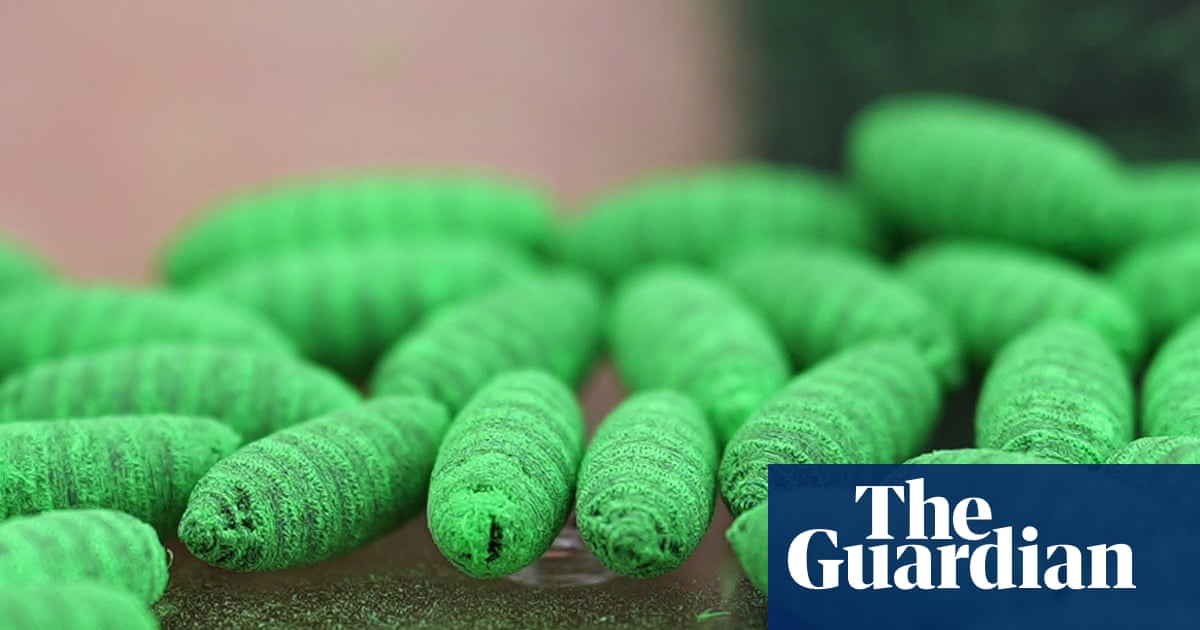
Confirmed New World screwworm cases have climbed across Texas and into New Mexico, prompting quarantine restrictions, federal warnings and expanded response measures.
Confirmed New World screwworm cases are rising across Texas and into New Mexico, turning what began as a single detection into a broader livestock-health response.
Reporting published on June 15 and June 16 places the outbreak at 11 or 12 confirmed animal cases, depending on the update being cited. The latest broad update says the count has reached 12 confirmed cases, with infections spread across multiple Texas counties and at least one county in New Mexico.
The outbreak has affected cattle, goats, sheep and at least one dog. Federal and state officials are urging ranchers and animal owners to watch for draining wounds, visible maggots, egg masses and unusual irritation around open lesions, especially near the nose, ears, genitals or umbilical area.
How the outbreak developed
The first confirmed U.S. case in this outbreak was detected on June 3 in a three-week-old calf in Zavala County, Texas.
By June 8, reporting said the outbreak had reached at least four Texas cases and that quarantine zones were already in place.
On June 13, reporting said the FDA had authorized emergency use of nitenpyram tablets for screwworm treatment in dogs and cats.
By June 15, reports said the parasite had spread into New Mexico and that Texas quarantine restrictions were expanding.
The June 16 update lifted the confirmed count to 12 animal cases, according to the latest broad reporting.
Where cases have been found
Reporting has identified Texas cases in Zavala, La Salle, Gillespie, Edwards, Tom Green and Sutton counties, with some coverage differing on which county was the most recent addition.
At least one confirmed case has also been reported in Lea County, New Mexico.
The case count is not fully uniform across all coverage because publications were working from different official updates and publication times. Some reports put the total at 11, while the latest broad update cited 12 confirmed animal cases.
Quarantine and movement restrictions
The Texas Animal Health Commission has established quarantine restrictions in the affected area, including an infested zone that limits the movement of warm-blooded animals and potentially infested animal parts without authorization.
That matters for ranchers because the parasite can move with infected animals or contaminated material, making animal transport a key point of concern for state officials.
The quarantine steps are aimed at slowing spread while officials assess whether the outbreak can be contained before it becomes established more widely.
Federal and state response
USDA and related officials have been telling ranchers and animal owners to report suspected cases immediately.
The guidance focuses on spotting animals with enlarging or draining wounds, maggots, egg masses and lesions that do not heal normally. Officials have also emphasized that screwworm is a parasite of living tissue, not a food-safety contamination issue.
Reporting says federal and state officials are using sterile fly releases as part of the response. That strategy has long been used to suppress screwworm populations and prevent re-establishment in the United States.
The FDA has also authorized emergency use of nitenpyram tablets for treatment in dogs and cats, according to reporting. That step broadens the available response tools as the outbreak moves beyond cattle.
Why ranchers are alarmed
The outbreak is being watched closely because Texas has a large livestock sector and because cattle inventories remain tight.
That makes even a contained outbreak economically sensitive. Producers face the risk of animal suffering, lower productivity and losses if the parasite spreads through herds or across more counties.
The threat is also operational. Quarantine and movement controls can disrupt ranching schedules, livestock transport and related commerce even before a case reaches a given property.
Food supply and animal-health stakes
Officials have said the U.S. food supply remains safe because screwworm does not infest meat, fruits or vegetables.
That distinction is important. The problem here is not contaminated food in the supermarket chain. It is the health of live animals and the risk that the parasite could become established again in the country.
New World screwworm is a parasitic fly larva that burrows into open wounds and feeds on living tissue. It was largely eradicated from the U.S. in the 1970s, but it has reappeared in North America after spreading north from Central America and Mexico.
What officials are watching next
The immediate questions are whether additional counties in Texas report new confirmed cases, whether neighboring states see spread, and whether the current quarantine zones hold.
Officials are also watching federal sterile-fly production and release capacity, since that response tool is central to containment.
Another open question is whether any broader wildlife spread emerges. So far, the reporting centers on animals, with no confirmed human cases reported in the material reviewed.
For now, the outbreak has moved well beyond the first contamination zone and into a broader regional response involving ranchers, state animal-health authorities, USDA and the FDA.
Revision note
Initial automated publication.