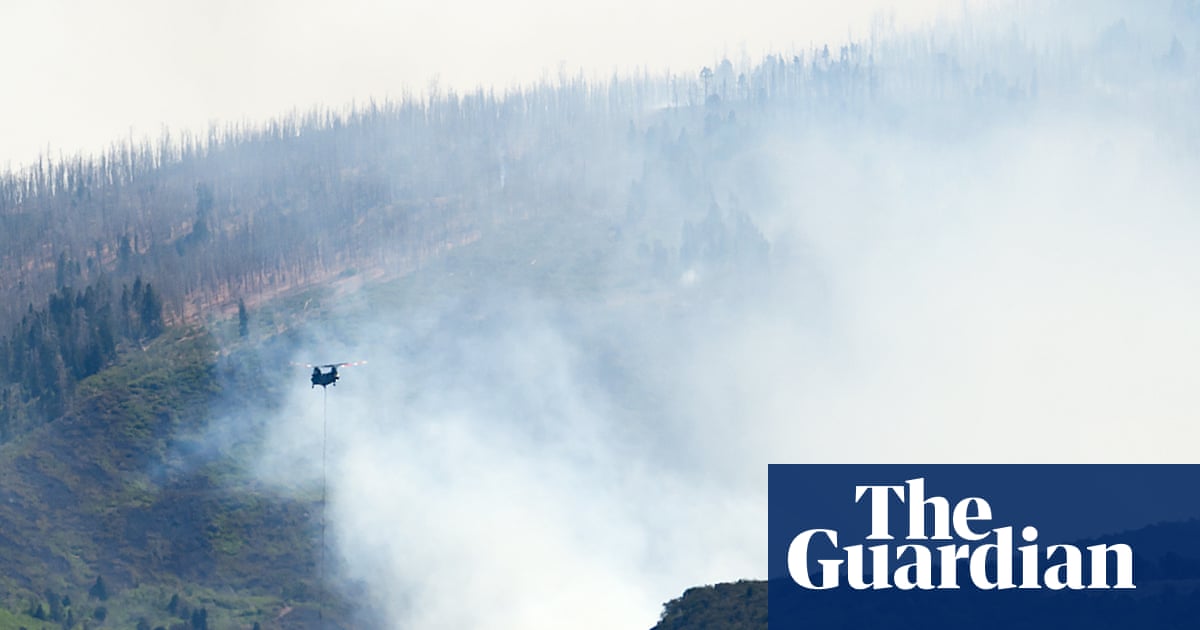
Utah's Cottonwood Fire grew overnight to more than 92,000 acres and remained 0% contained, damaging an Eagle Point ski resort, prompting evacuations and leading Gov. Spencer Cox to restrict fireworks statewide through July 5.
Utah's Cottonwood Fire grew overnight to more than 92,000 acres and remained 0% contained as crews continued to battle a fast-moving blaze in rugged terrain in the state's south-central and southwest region.
The fire began Monday, June 23, in or near Fishlake National Forest and has since become one of the most serious wildfire incidents in the country. Reporting from The Guardian and AP said the blaze expanded quickly under hot, dry and windy conditions that limited firefighting progress.
Overnight growth
The Guardian reported late Saturday, June 27, that the fire had surged overnight to more than 92,000 acres. AP later reported early Sunday, June 28, that the blaze had grown to more than 144 square miles, a figure that converts to roughly the same acreage.
The different measurements point to the same development: a large wildfire that continued to spread rapidly through the weekend. Available reporting said containment remained at 0%.
Crews have been dealing with steep terrain and difficult weather, including wind and low humidity. Those conditions have made it harder to establish control lines around the fire's perimeter.
Damage and evacuations
Officials reported damage to the Eagle Point ski resort and to summer cabins in Beaver County. The fire has also triggered evacuation orders or alerts for nearby communities including Marysvale, Junction and Circleville.
No injuries or fatalities had been reported in the available coverage. Even so, the fire's size and speed have created immediate risk for residents, evacuees and firefighters working on the ground.
The blaze was described in the reporting as the largest wildfire currently burning in the United States at the time of publication.
State response
Gov. Spencer Cox declared a state of emergency and temporarily restricted fireworks statewide through July 5. The move came ahead of the July 4 holiday period, when officials have been trying to reduce the chance of new ignitions.
The National Weather Service also issued a rare "particularly dangerous situation" fire-weather warning for parts of Utah. That warning reflected the extreme fire conditions affecting the region and the broader wildfire danger across the West.
What crews are watching next
The immediate outlook will depend on whether weather conditions improve enough to slow the fire's spread. Crews and officials are watching for any increase in containment, additional evacuation orders and further damage reports from Beaver County and the ski resort.
Updated assessments are still pending, and officials have not yet released a full accounting of losses. Fire managers will also be watching for changes in wind, humidity and National Weather Service alerts as the fire season continues.
For now, the Cottonwood Fire remains a large and volatile blaze with public-safety consequences that are still unfolding.
Revision note
Initial automated publication.