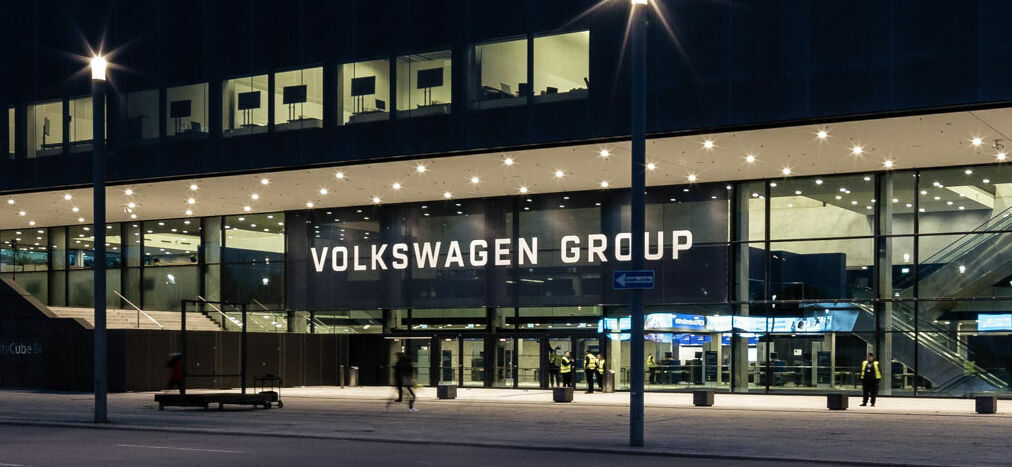
Volkswagen is reportedly weighing a restructuring that could cut up to 100,000 jobs worldwide and halt production at four German plants. The company has not confirmed the numbers and says it is still working through a transformation plan.
Volkswagen is reportedly considering a far deeper restructuring than it has previously disclosed, with plans that could cut up to 100,000 jobs worldwide and eventually stop production at four German plants, according to multiple reports published on June 26.
Volkswagen has not confirmed the figures. In comments cited across the reporting, the company said the entire group is undergoing a profound transformation and that it would not pre-empt internal discussions about a realignment plan.
The scale of the reported proposal would go well beyond Volkswagen’s earlier target to cut 50,000 jobs in Germany by 2030. If adopted, it would mark one of the most consequential restructurings in the company’s recent history, affecting both its labor force and its manufacturing footprint.
Reported scope
The Financial Times first reported that Volkswagen was weighing cuts of up to 100,000 jobs and the possible end of production at four German plants. Later reporting from The Wall Street Journal, The Guardian and The Times added detail and said the proposal remained unconfirmed by the company.
The sites named in the reports are Hanover, Zwickau, Emden and Audi’s Neckarsulm plant. The accounts said the actions could amount to eventual shutdowns or production stoppages, though it was not clear whether each site would face a permanent closure.
That distinction matters. A full shutdown, a phased wind-down or a repurposing of a plant would have very different consequences for workers, suppliers and local governments.
Volkswagen’s public language so far has been narrower than the reporting suggests. In statements quoted by the outlets, the company said the industry is undergoing profound transformation and that its current business model no longer works across all brands.
What Volkswagen is saying
The reporting says Volkswagen’s executive board has been working for months on a realignment plan that would next go to the supervisory board for approval. The company has not said whether the 100,000-job figure cited in the press appears in any formal proposal.
The Wall Street Journal said the board has been preparing a deep change across the group. The Financial Times framed the move as part of a sweeping cost-cutting drive, while other reports said the effort is still under internal review.
The pressure on Volkswagen is coming from several directions at once. The reports cite Chinese competition, tariffs and weakening or stagnating auto markets as major drivers of the restructuring.
Those pressures are part of a broader industry shift away from combustion-engine-heavy business models and toward electrification, software and new platform investment. Volkswagen has already signaled that it wants to reduce overhead and complexity while increasing technology spending.
Labor and political stakes
Any move to shut German plants would be politically sensitive and likely to draw a sharp response from labor representatives. IG Metall and Volkswagen’s works council are expected to be central players if the company turns internal planning into a formal proposal.
The stakes are especially high because German plant closures have long been a flashpoint in industrial relations. Even the prospect of production stoppages can trigger negotiations over jobs, investment commitments and the future use of sites.
The reported scale of the cuts also raises another question: where would the losses fall? The reporting says the total could be worldwide, but it does not yet break down how much would come from Germany versus other markets.
What remains unclear
It is still unclear whether the 100,000-job figure reflects a formal proposal, an internal draft or an early management scenario. Volkswagen has not publicly confirmed the number.
It is also unclear how the four named plants would be handled in practice. The reports do not say whether the sites would be permanently closed, allowed to run down existing models or repurposed for other production.
That difference will matter for the next stage of the story. A shutdown would be a much harder break with Volkswagen’s current footprint than a slower transition to new models or lines.
For now, the verified point is that Volkswagen is pursuing a broad realignment plan, and outside reporting says that plan could be far larger and more disruptive than previously known.
Revision note
Initial automated publication.