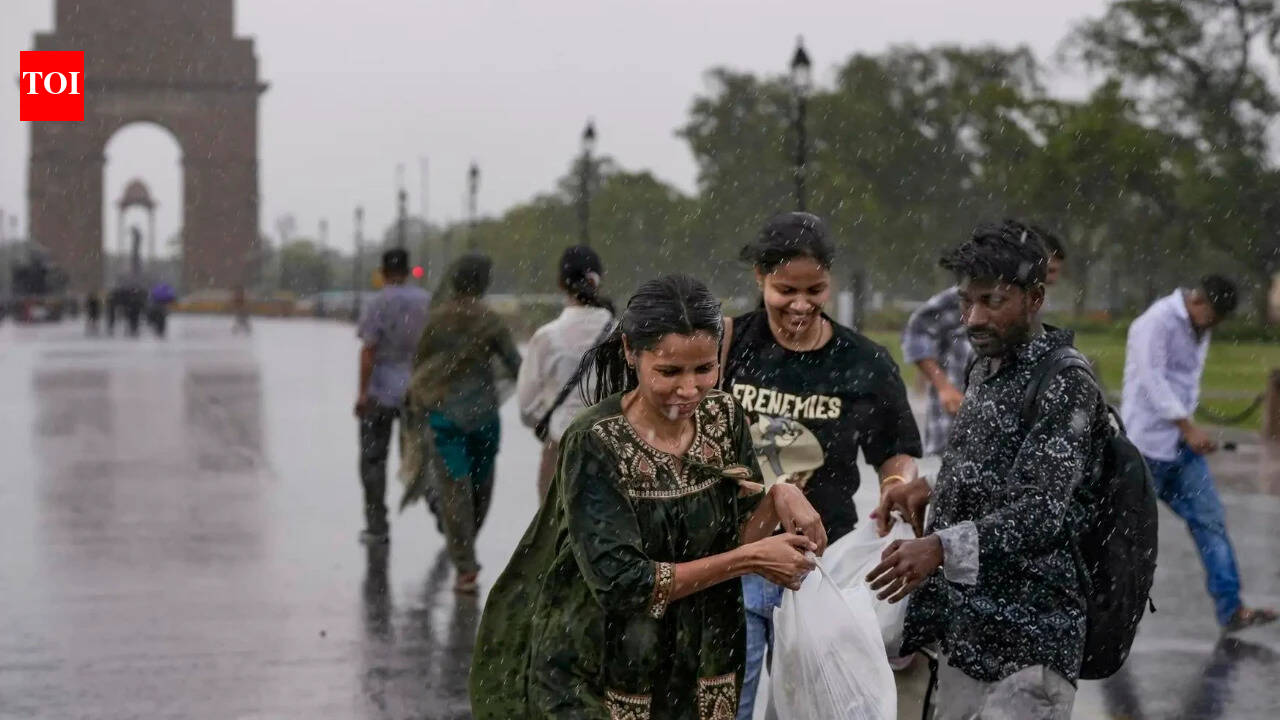
The India Meteorological Department has forecast heavy to extremely heavy rain across parts of east, northeast, west and south India for Sunday, June 28, with thunderstorms in north India and a lingering heatwave alert in parts of Uttar Pradesh.
The India Meteorological Department has forecast heavy to extremely heavy rain across parts of east, northeast, west and south India for Sunday, June 28, 2026, in a broad weather alert that also includes thunderstorms in north India and continued wet weather for Delhi-NCR.
The warning is a forecast rather than a damage report, but it matters because the expected rain band spans multiple regions at once. Coverage of the IMD bulletin points to a large monsoon system affecting several states, with conditions that can change quickly once the showers begin.
States repeatedly named in the reporting include Kerala, Karnataka, Odisha, Gujarat and Assam. Delhi, Chandigarh and other northern areas are also expected to see thunderstorms and gusty winds as the weather system moves through.
The forecast covers east India, the northeast, west India and the south, with Delhi-NCR remaining in the wet-weather zone. That makes this more than a local rain warning: it is a multi-state alert with different impacts depending on region.
North Indian states are part of the same active-weather pattern. Reporting mentions thunderstorm and wind alerts for Delhi, Haryana, Punjab, Rajasthan, Himachal Pradesh and Uttarakhand, with some coverage warning of winds reaching up to 90 kmph over a short window.
At the same time, parts of East and West Uttar Pradesh remain under a heatwave alert. The contrast is notable because monsoon rain is building across much of the country while one pocket still faces heat stress.
The latest coverage follows an IMD press release dated June 26, which first flagged heavy to very heavy rain across multiple regions and heatwave conditions in East Uttar Pradesh. Reports published on June 26 night and June 27 then expanded the picture with state-by-state mentions and short-range timing.
Economic Times reported the forecast on June 26, highlighting Kerala, Karnataka, Odisha, Gujarat and Assam, along with thunderstorms in Delhi and a continuing heatwave in Uttar Pradesh. Navbharat Times later reported an IMD alert for 13 states within hours, again emphasizing heavy rain, thunderstorms and strong winds.
Times of India published a similar warning on June 27, describing heavy to extremely heavy rain across several states and continued wet weather for Delhi-NCR. The reporting is consistent across outlets and points back to the same underlying IMD forecast, not conflicting advisories.
The immediate risks are practical: waterlogging, localized flooding and transport disruption in heavy-rain zones, especially in urban areas and low-lying roads. Thunderstorms and gusty winds can also affect travel, power supply and outdoor activity.
The heatwave alert in Uttar Pradesh adds another layer of public-health concern. Even with monsoon activity nearby, residents in the affected pockets may still face uncomfortable and potentially dangerous heat conditions.
The alert also carries agricultural significance. June is a key monsoon month, and rainfall that arrives unevenly can be both welcome and disruptive, depending on where it lands and how intense it becomes.
AP has separately described the wider 2026 monsoon as delayed and erratic, which helps explain why each new IMD update is drawing close attention. For residents and administrators, the short-term question is not the full season outlook but what happens over the next day or two.
The main near-term question is whether IMD upgrades, narrows or extends the alert as June 28 unfolds. Local advisories, school changes, travel disruption and district-level notices would be the clearest signs that the forecast is turning into an operational weather event.
For now, there is no confirmed reporting of flooding, casualties or infrastructure damage from this specific alert. The situation remains a forecast-driven public-safety story, with the next update likely to come from how the rain and thunderstorm bands actually develop.
Revision note
Initial automated publication.