Western Australia has confirmed a second H5N1-positive wild bird near Esperance, prompting Ingham’s to lock down its WA poultry operations while authorities continue surveillance and testing.
Western Australia has widened its biosecurity response after a second wild bird near Esperance tested positive for H5N1 bird flu, deepening concern over the first confirmed mainland detections of the virus in Australia.
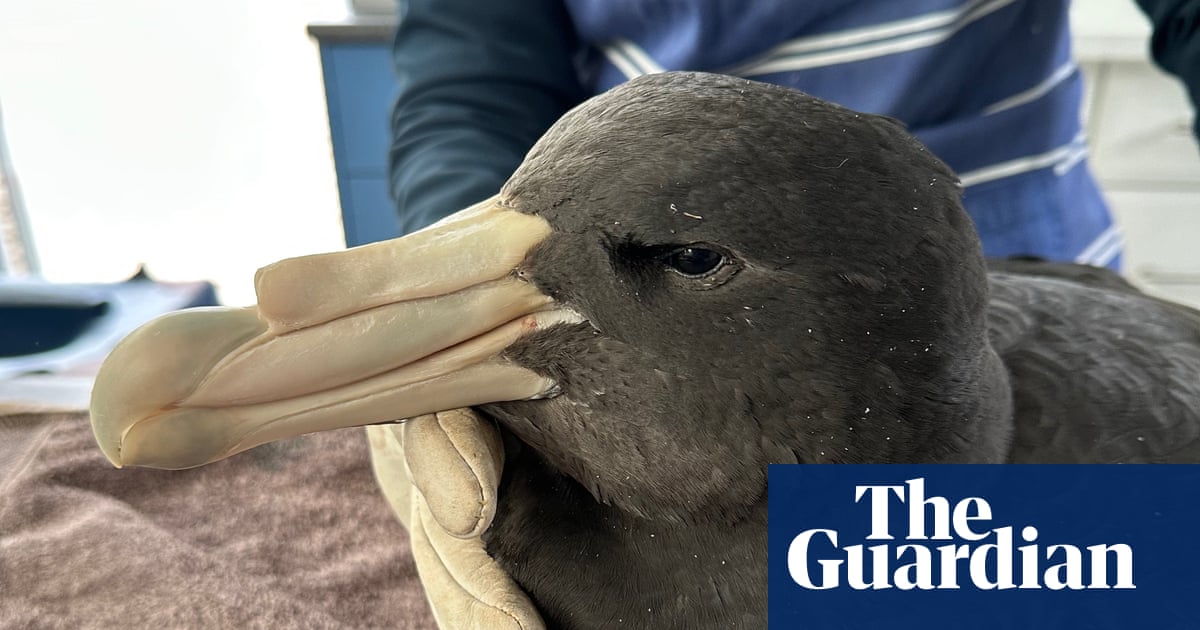
The second infected bird was a giant petrel. It follows the earlier confirmation of H5N1 in a brown skua in the same area. Both birds died, and authorities say they have not seen evidence yet that the virus has spread into commercial poultry or other animal populations.
Ingham’s Group said it was placing its Western Australian poultry operations into a complete lockdown. The company has also sought permission to house free-range chickens indoors as part of its response.
First mainland detections
Australia confirmed its first mainland H5N1 case on June 20 in a brown skua near Esperance, in the south of Western Australia. The second positive result was reported on June 22, marking a swift escalation from a single wildlife detection to a wider containment concern.
The detections matter because Australia had been the last continent free of H5N1. Globally, the virus has caused major die-offs in birds and some marine mammals since 2021, and authorities are now focused on preventing the pathogen from establishing itself in local wildlife or poultry.
WA authorities said they had received more than 50 reports of sick or dead birds and had collected samples for testing based on risk assessment. Australia’s chief veterinary officials said there was no indication so far that the disease had spread beyond the initial detections.
Poultry lockdown response
Ingham’s move places its Western Australian poultry operations under stricter controls while officials assess the risk of spillover from wild birds to farmed birds. The company said there was no detection of H5N1 in commercial poultry at the time of reporting.
The lockdown is especially relevant for free-range production, which can face added exposure to wild bird contact. Ingham’s request to house free-range birds indoors reflects the effort to reduce that risk while the situation remains under active monitoring.
The affected area is near Esperance, far from Western Australia’s main commercial poultry concentrations north of Perth. That does not eliminate the risk to farms or processing operations, but it does place the detections in a part of the state where the immediate issue is containment in wildlife and preventing wider movement of the virus.
Why officials are watching closely
The detections are a major wildlife and biosecurity concern. Once H5N1 becomes established in wild birds, it can be far harder to control, and that raises the risk of further spread into backyard flocks or commercial operations.
The situation also carries welfare and supply implications for free-range producers if more farms need to shift birds indoors or tighten movement restrictions. For state and federal authorities, the response brings added surveillance, testing and coordination costs at a time when they are trying to stop any broader outbreak before it starts.
Federal Agriculture Minister Julie Collins and Environment Minister Murray Watt are among the officials being watched as the response develops, alongside WA chief veterinary officer Michelle Rodan and Australia’s chief veterinary officer Beth Cookson.
What happens next
Authorities will continue surveillance and laboratory testing of reported sick or dead birds in Western Australia, including around Esperance and any other sites that trigger risk-based sampling.
Officials will also be looking for any evidence that H5N1 has spread beyond the initial wildlife detections, particularly into backyard birds, commercial poultry or other native species. Public reporting of dead or sick birds remains part of the containment effort.
The main open questions are whether more wild birds test positive, whether the virus reaches poultry, and whether the state grants permission for more widespread indoor housing of free-range chickens. For now, the response remains focused on containment, monitoring and rapid testing as Australia tries to stop the virus from taking hold on the mainland.
Revision note
Initial automated publication with expanded chronology and containment context.