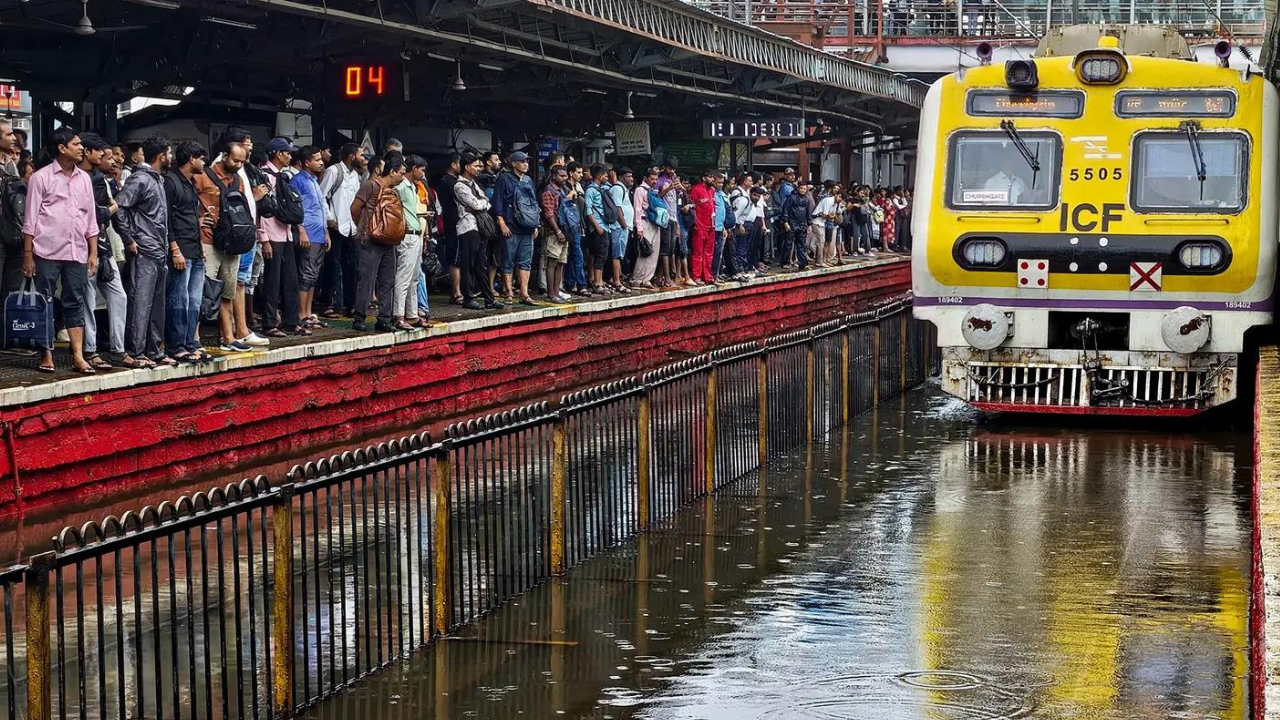
Western Railway has announced a two-phase plan to raise track levels near Nalasopara and Vasai after flooding disrupted suburban services and stranded commuters. The move follows earlier findings that poor drainage and low-lying infrastructure have left the corridor vulnerable to monsoon waterlogging.
Western Railway has announced a two-phase flood-mitigation plan to raise track levels near Nalasopara and Vasai after monsoon waterlogging disrupted suburban services and stranded commuters.
The work targets one of the most flood-prone stretches of the Western Railway suburban network, where repeated heavy rain has exposed the vulnerability of low-lying tracks and weak drainage during the monsoon.
Track-raising plan
According to the reporting, the new initiative will focus on raising the track profile near Nalasopara and Vasai in two phases. Western Railway has not yet shared the exact engineering scope or timeline for the full project.
The announcement marks a shift from diagnosis to physical changes in the corridor. The aim is to reduce the kind of waterlogging that can interrupt train movement and leave commuters stuck during heavy rain.
Why this stretch floods
Earlier reporting on the same rail belt said flood reviews had already pointed to a mix of intense rainfall, high tides and weak drainage infrastructure. An IIT Bombay assessment said flooding around Vasai Road yard was worsened by unplanned urbanisation and reduced drainage capacity.
That assessment cited narrowed nullahs and clogged culverts as part of the problem. The broader issue is not only rain volume but how runoff is carried away from the rail corridor once the monsoon intensifies.
Wider mitigation work
The new Nalasopara-Vasai track-raising plan sits alongside a broader flood-mitigation program already underway in the Vasai Road yard area. Earlier reporting said that work includes track lifting, new drains, micro-tunnelling for 1,200 mm pipes, dewatering pumps and desilting.
Western Railway has also asked the Vasai Virar civic body to widen and desilt drainage channels and connect railway drainage links to municipal systems. That coordination will be important if the corridor is to hold up better under the next round of heavy rain.
Recent disruption
The latest announcement follows severe waterlogging that again affected suburban operations in the Vasai-Nalasopara belt and left commuters stranded overnight. For regular passengers, the area has become a recurring weak point during peak monsoon spells.
The immediate context was not limited to one station or one rainfall event. The corridor has repeatedly shown how quickly flooding can slow or halt local train service in a densely used suburban stretch.
Earlier this month, heavy rain also disrupted Western Railway services on the Mumbai-Ahmedabad corridor and stranded more than 20 long-distance trains. That wider disruption underscores how monsoon weather can cascade across the rail network.
What remains unclear
Western Railway has not yet disclosed the exact locations that will be raised first, the sequencing of the two phases or how long the work will take.
It is also unclear whether the Nalasopara-Vasai track-raising plan is separate from, or part of, the wider Vasai Road yard flood-mitigation drive already described in earlier reporting.
For commuters, the key question is whether the engineering work can reduce the recurring monsoon interruptions that have made this section of the Western Railway suburban system especially vulnerable.
Revision note
Initial automated publication with expanded reporting depth.