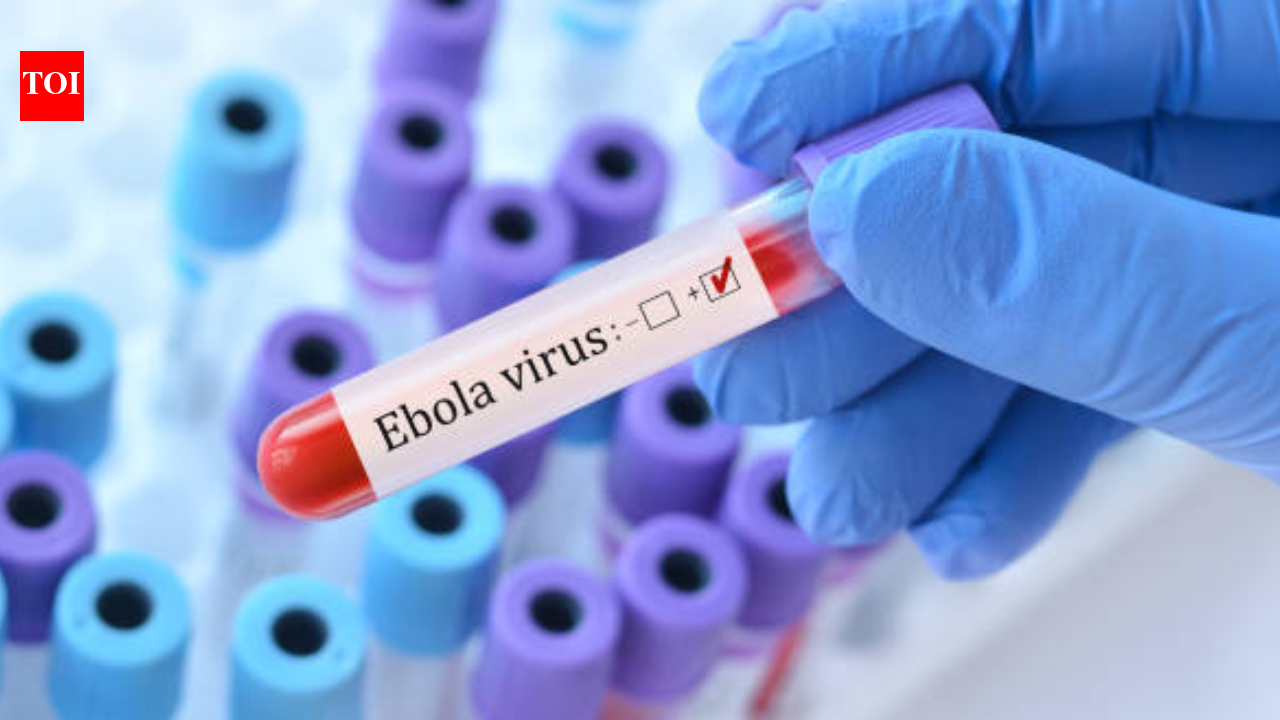
WHO has added the first molecular diagnostic test for Bundibugyo Ebola virus to its Emergency Use Listing, a move reported July 3, 2026 that could speed confirmation of cases in Congo and Uganda.
WHO has added the first molecular diagnostic test for Bundibugyo Ebola virus to its Emergency Use Listing, giving responders a new tool to confirm infections faster during the ongoing outbreak in the Democratic Republic of the Congo and Uganda.
The listing was reported on July 3, 2026 and is intended to improve outbreak detection in settings where laboratory capacity is limited. Faster confirmation can help health teams isolate patients sooner, guide clinical decisions and strengthen contact tracing.
Bundibugyo is the least common of the Ebola virus strains. Recent coverage has said the strain still has no approved vaccine and no specific treatment, which makes reliable testing especially important when an outbreak is spreading.
Why the listing matters
WHO’s Emergency Use Listing is designed to speed access to health tools during public-health emergencies. In this case, the goal is practical: make it easier for responders to use a molecular test in the field and get answers faster.
That matters because delays in diagnosis can slow the entire response. When a suspected case cannot be confirmed quickly, isolation, tracing and follow-up all become harder to manage.
The new diagnostic also arrives as the wider response to the outbreak continues to expand. AP reported on July 2 that researchers had begun a treatment study, and that WHO said the first participant had enrolled.
Outbreak context
WHO declared the Ebola outbreak in the Democratic Republic of the Congo and Uganda a public health emergency of international concern in May 2026, according to earlier coverage. Since then, responders have faced a difficult operating environment.
Coverage has described the outbreak as complicated by insecurity and operational constraints in affected areas. Those conditions make access to testing even more important, especially when teams need to identify cases quickly and move resources efficiently.
Before this latest listing, reporting said there were no approved vaccines, no approved treatment and no specific test for Bundibugyo Ebola. The new diagnostic does not change the basic clinical limitations of the disease, but it does improve the response toolkit.
What remains unclear
Key details have not yet been publicly confirmed, including the manufacturer or laboratory behind the test, the platform used and the full Emergency Use Listing entry. It is also not yet clear where deployment will begin first or how quickly the test will reach outbreak sites.
Those questions matter because the value of a listed test depends on how fast it can be deployed on the ground. In Congo and Uganda, even a strong diagnostic can have limited impact if logistics, staffing or security slow rollout.
For now, the listing marks a concrete step in an outbreak response that has been constrained by limited diagnostic options. The immediate benefit is faster confirmation, which can improve isolation, treatment decisions and contact tracing.
The next developments to watch are WHO’s publication of the full listing details, the rollout of the test in affected areas and any change in case counts as testing expands.
Revision note
Initial automated publication.