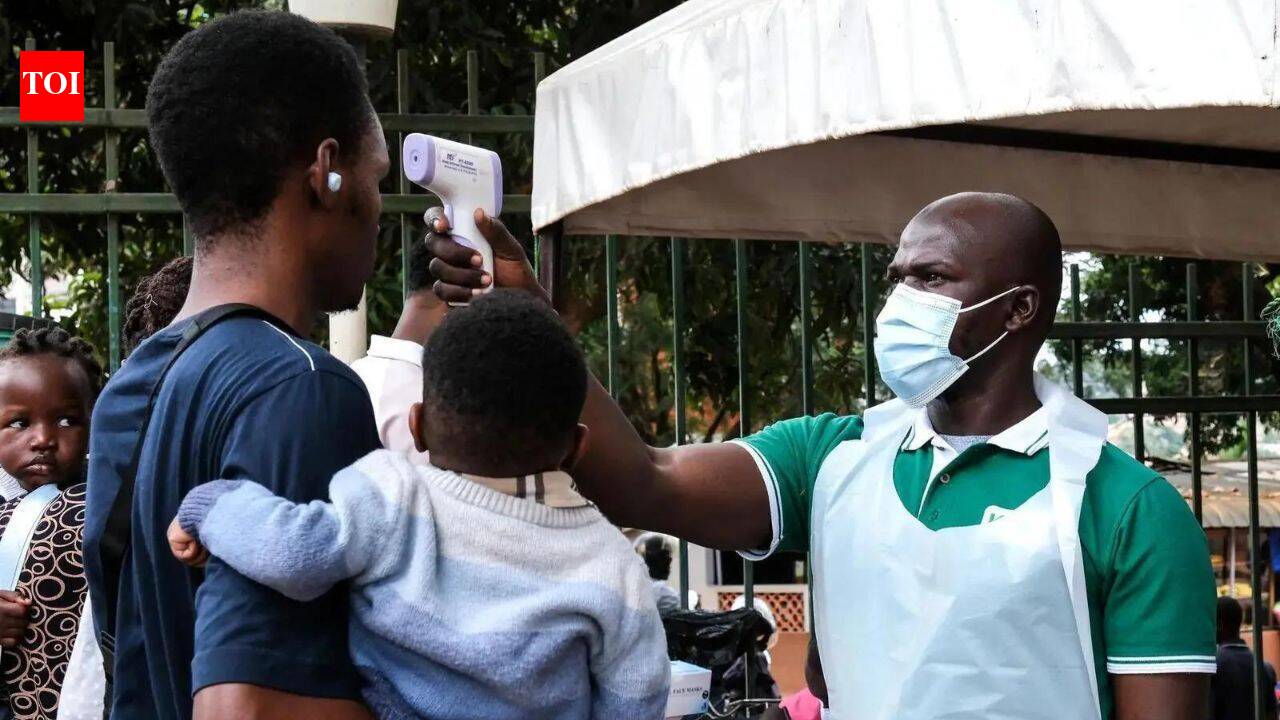
WHO-linked reporting says 75 health workers in the Democratic Republic of Congo have been infected with Ebola and 17 have died, underscoring the pressure on front-line responders as the outbreak widens.
Health workers at the center of the toll
Health workers are bearing a disproportionate share of the damage in Congo’s worsening Ebola outbreak. WHO-linked reporting published Friday said 75 health workers in the Democratic Republic of Congo have been infected, and 17 of them have died.
The figure highlights how heavily the outbreak is hitting doctors, nurses and other front-line responders who are supposed to contain it. Reporting from the past week described overwhelmed clinics, shortages of protective gear and difficult working conditions in the affected area of eastern Congo.
The outbreak has been centered in Ituri province, with Bunia repeatedly identified as a key area of impact. Public-health officials and aid groups have described the response as strained by weak infrastructure, fear and mistrust.
How the outbreak has widened
The current outbreak was first announced in mid-May. Since then, it has spread through eastern Congo and raised concern across the region.
On June 16 and June 17, reporting from the ground described understaffed and under-equipped facilities, delays in laboratory testing and unsafe burial conditions. Those problems have made it harder to isolate cases and protect the people working near them.
AP reported on Friday that Congo’s health minister said the outbreak had reached 933 confirmed infections and 245 deaths. The agency also reported that more than 35,000 people were suspected contacts under tracing.
The same AP report said the outbreak has also spread into Uganda, where 19 cases and two deaths have been reported. That adds pressure to surveillance and border-area response efforts.
Why responders are exposed
The reporting points to a familiar Ebola pattern: health workers, burial teams and other public-facing staff face especially high exposure when protective equipment is limited and cases are rising quickly.
The outbreak is being driven by the Bundibugyo strain of Ebola, which reporting says has no approved treatment or vaccine. That makes rapid isolation, contact tracing and basic infection control even more important.
Earlier coverage said initial testing looked for a different strain, allowing the outbreak to spread undetected for weeks. That delay, combined with local distrust and logistical problems, has made containment harder.
WHO Director-General Tedros Adhanom Ghebreyesus has previously said he was concerned about the outbreak’s scale and speed, including the spread among healthcare workers. The latest figures reinforce that concern.
What happens next
Health authorities are likely to keep revising the totals as tracing continues and new laboratory results come in. The most important questions now are whether the figure of 75 infected health workers rises further, whether additional supplies and reinforcements reach the field, and whether the response can catch up to the outbreak’s pace.
Aid agencies and public-health officials are also watching Bunia, surrounding health zones and the Ugandan border for signs of further spread or signs that containment efforts are beginning to work.
Revision note
Initial automated publication.