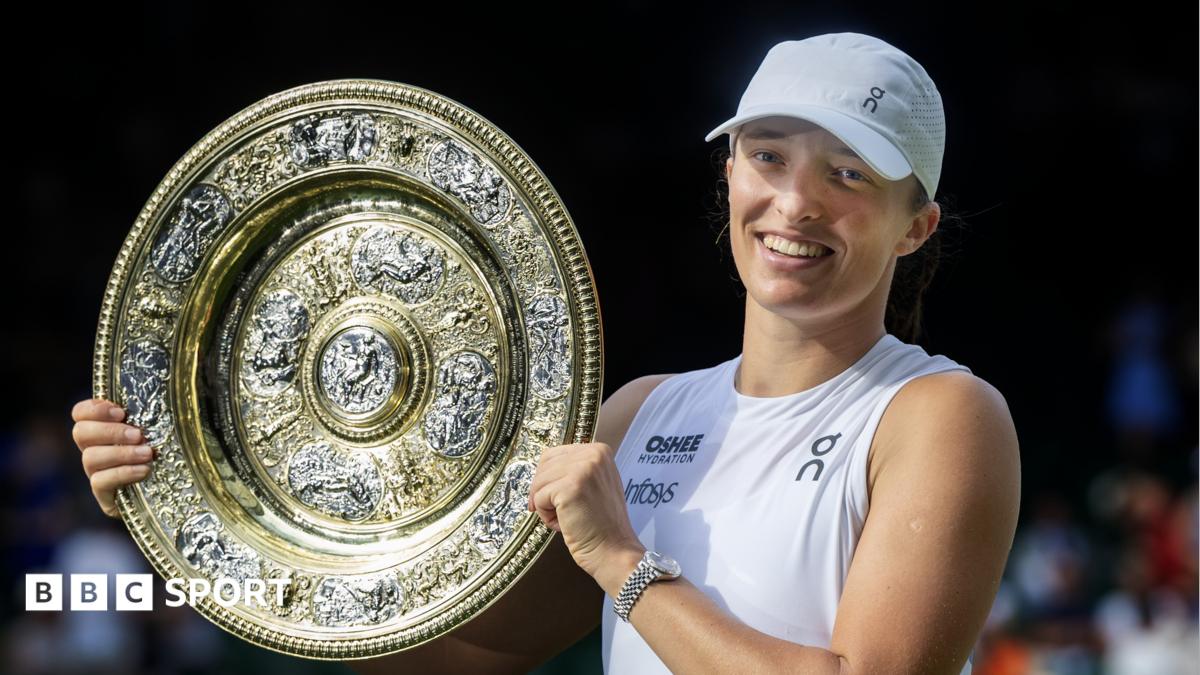
Wimbledon has raised total prize money by 20% to £64.2 million for 2026, with singles champions set to receive £3.6 million each, as tensions continue over players' share of Grand Slam revenue.
Wimbledon has announced a 20% increase in total prize money for 2026, lifting the purse to £64.2 million and setting a new record for the Championships.
The men’s and women’s singles champions will each receive £3.6 million. The increase is worth £10.7 million more than last year’s total and is the biggest in Wimbledon’s history.
The move comes as the sport’s top players continue to push Grand Slam tournaments for a larger share of revenue. The higher payout raises the stakes, but it does not settle that wider dispute.
Record prize-money rise
The All England Club’s announcement gives Wimbledon the largest prize-money package in its history. The total of £64.2 million is meant to cover payments across the draw, with the headline singles prizes again standing out as the most prominent figures.
A 20% rise is unusually large by tennis standards and reflects the pressure on the sport’s biggest events to show that player earnings are keeping pace with tournament income. Players have argued that the current split leaves them with too small a share of the money generated by Grand Slams.
The new figure was first reported by BBC Sport and later confirmed in other coverage. It lands as one of the clearest signs yet that organisers are willing to increase payouts, even if they are not yet shifting on the broader structure of revenue sharing.
The wider pay row
The prize-money announcement sits inside a longer dispute between leading players and the Grand Slam events. The central issue is not just how much prize money is paid this year, but how much of the tournaments’ revenue should go back to players over time.
Reporting over the past fortnight said players had been pressing Wimbledon for a significant increase and a bigger share of revenue. Coverage has varied on the benchmark they are seeking, with reports citing either 16% or 22% depending on the comparison used.
The row has also included demands for stronger player welfare support and more meaningful representation in negotiations with the sport’s major events. That broader agenda means even a record increase at Wimbledon does not fully address what players are asking for.
Chronology of talks
The tension had already been building before Thursday’s announcement. On June 2, reporting said top players had told Wimbledon they expected a substantial rise in prize money this year.
A day later, The Guardian reported that Wimbledon officials were confident there would be no protests after positive talks with player representatives at Roland Garros. Those discussions suggested some progress, but not a resolution.
By June 11, the tournament had confirmed the new prize-money total. The timing matters because the announcement was widely seen as a test of whether constructive talks could reduce the threat of public confrontation during the Championships.
What players wanted
Players have argued that Grand Slam prize money has lagged behind the growth of the sport’s commercial value. Their view is that the biggest events should return more revenue to the athletes who drive the tournament product.
Recent protest tactics at the French Open helped bring that argument into sharper public view. That is part of why Wimbledon’s announcement drew so much attention: it was not just a pay update, but a signal about how the sport’s power balance might evolve.
Even so, the new payment levels do not resolve the core question. A larger prize fund can ease pressure in the short term, but it does not establish a new formula for how Grand Slam income is shared.
What happens next
The immediate test will be how players respond to the size of the increase. If they view it as insufficient, pressure could extend beyond Wimbledon and into later Grand Slam events.
The All England Club is also likely to face questions about the rationale behind the split and whether the record increase marks a one-off response or the start of a broader change in policy.
For now, the key facts are clear: Wimbledon has set a new prize-money record, but the dispute over revenue sharing remains open.
Revision note
Initial automated publication.