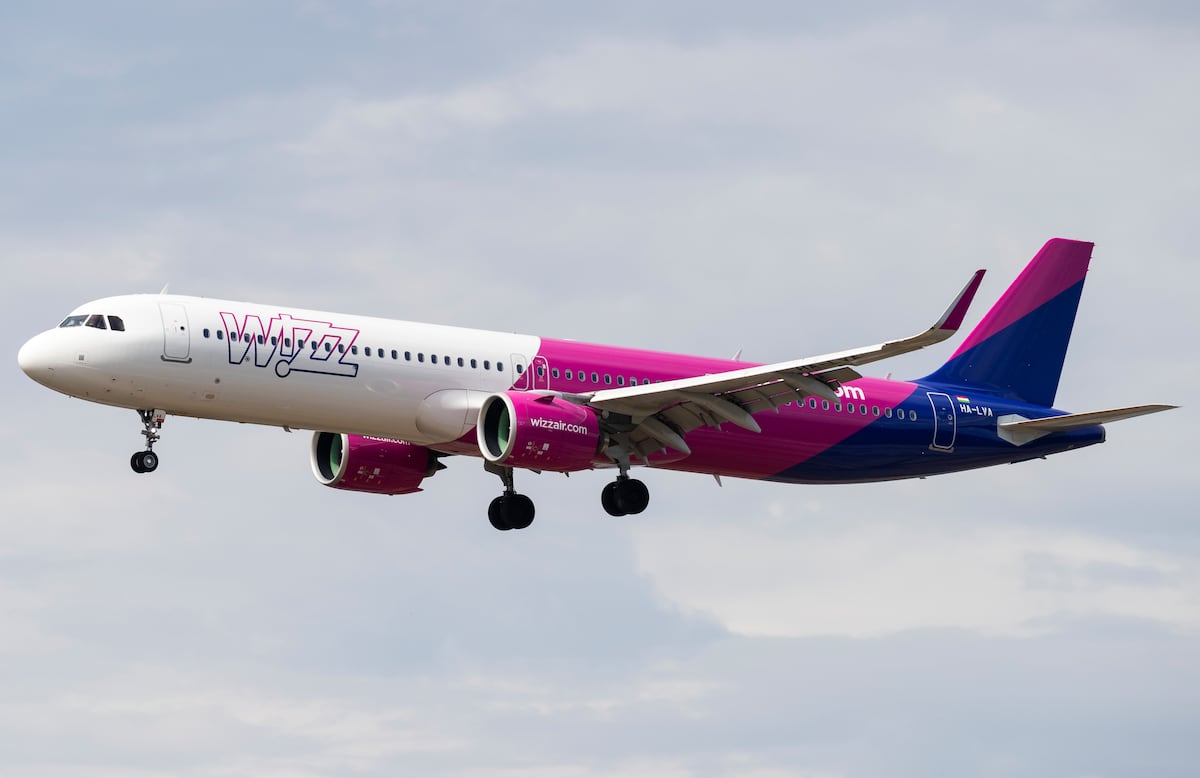
Wizz Air said it will not issue fiscal 2027 guidance because of uncertainty from the Middle East conflict, after reporting a sharp drop in annual profit despite higher revenue and passenger growth.
Wizz Air said it will not provide full-year guidance for fiscal 2027, citing uncertainty from the Middle East conflict and the knock-on effects on aviation conditions, fuel costs and routing.
The decision came as the London-listed low-cost carrier reported a sharp drop in annual profit for the year ended March 31, 2026, even though revenue and passenger numbers both increased.
For fiscal 2026, Wizz Air said net profit fell to 1.3 million euros from 213.9 million euros a year earlier. Operating profit declined to 139.7 million euros, while revenue rose 8.0% to 5.69 billion euros. Passenger numbers increased to 69.7 million from 63.4 million.
The airline also continues to face Pratt & Whitney engine problems, which have grounded part of its fleet and added to the pressure on operations.
Guidance withdrawn
Wizz Air said it does not have enough visibility across trading seasons to issue fiscal 2027 guidance. One report said the company linked that uncertainty to the conflict in Iran and the closure of the Strait of Hormuz, which can affect airspace access and fuel markets.
Another report said conflict-related fuel costs and longer routings were part of the pressure on the business. The airline did not offer a narrower earnings outlook.
Management priorities
Wizz Air said it plans to focus on its core markets, restore full fleet utilization and maintain discipline on capacity growth and cost control.
The carrier said it still expects capacity growth of 15% in the first quarter and 20% in the second, indicating that near-term expansion remains intact even as longer-term forecasting stays uncertain.
Broader stakes
The Middle East conflict has been spilling into airline forecasts by affecting fuel prices, airspace access and route planning. For carriers such as Wizz Air, those disruptions can pressure margins even when demand is rising.
That makes the company’s profit decline a combination of operational and geopolitical strain: engine-related fleet disruption, conflict-linked uncertainty and a tougher environment for European airlines.
What to watch next
Investors will be watching for further comments from Wizz Air on fiscal 2027 demand, fuel costs and capacity plans. The key question is whether the carrier can sustain growth while managing routing risk and fleet constraints.
The broader market will also be watching whether other European airlines revise guidance or capacity plans if Middle East disruption persists.
Revision note
Initial automated publication.