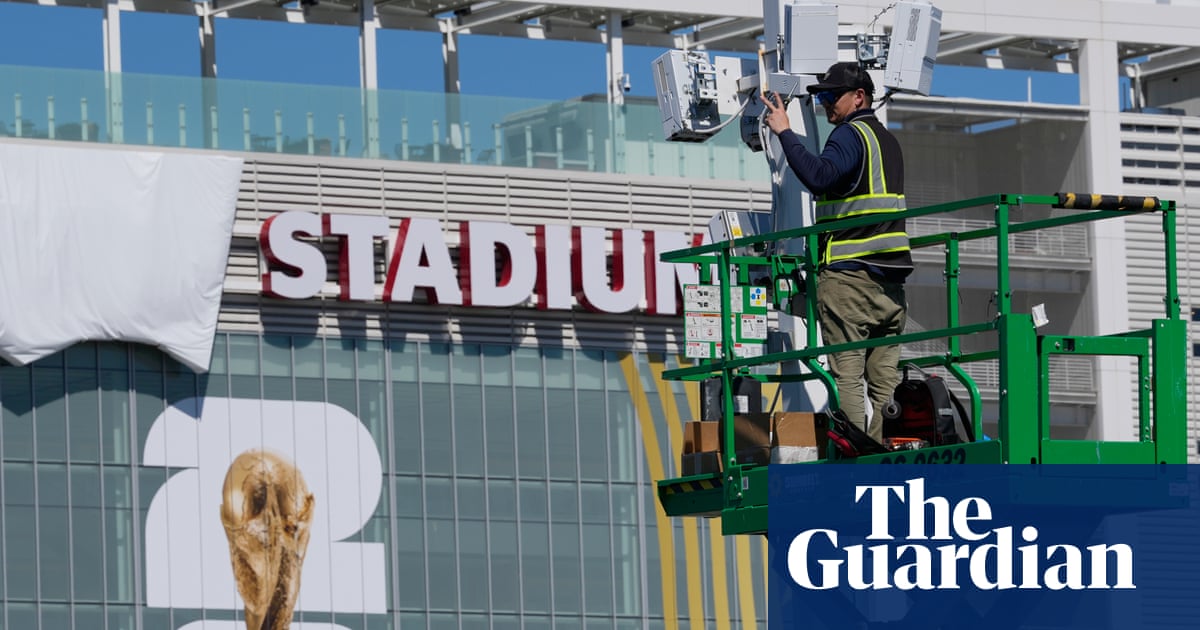
Labor advocates and heat-safety experts are warning that workers supporting the 2026 World Cup face serious heat exposure across U.S. host cities, especially in southern venues.
As the 2026 World Cup gets underway across North America, labor advocates and heat-safety experts are warning that the people working behind the scenes may face the tournament's most immediate risk: dangerous heat.
A Guardian report published June 14 says workers supporting the event are exposed to rising temperatures across several U.S. host cities, with particular concern for Miami, Houston, Dallas and Atlanta. Those venues are expected to see temperatures above 90F, adding pressure to workers who spend long periods outdoors or in physically demanding roles.
The warning shifts attention away from match play and toward the stadium crews, security staff, concessions workers, maintenance teams and people in heavy costumes who keep large sporting events running. Many of those workers are temporary hires, which advocates say can make it harder to acclimate to the heat or speak up about unsafe conditions.
Why workers are at risk
The report says the highest-exposure jobs include security, concessions, construction, field maintenance and other outdoor support roles. Those jobs often involve long shifts, limited shade, heavy equipment or protective clothing, all of which can intensify heat stress.
The concern is not only the temperature but the way the tournament is structured. The World Cup is spread across 16 host cities, including 11 in the United States, which means workers are operating under different state and local labor rules even as the event follows a single international schedule.
Advocates say temporary staffing can be especially problematic because workers may not be fully acclimated to summer conditions or confident that they can refuse unsafe work. That makes the event's labor conditions as important as the sporting calendar itself.
What FIFA says
FIFA has said it is taking mitigation steps, including later match scheduling, cooling stations, mist systems and trained medical staff. Those measures are aimed at reducing the danger to both players and spectators, but labor advocates argue that they may not be enough for workers spending hours in direct heat.
A separate Guardian weather report on June 12 said heat, humidity and thunderstorms are a danger across the tournament and noted that FIFA uses Wet Bulb Globe Temperature, or WBGT, to gauge heat stress. That report said many host cities are expected to exceed FIFA's unsafe threshold of 28C WBGT.
The broader concern has been building for months. A TIME report in June 2025 cited research from Queen's University Belfast saying 14 of the 16 World Cup host cities often exceed safe afternoon temperatures and that schedule changes and other infrastructure fixes would be needed to reduce risk.
That report also said FIFPRO criticized the lack of dialogue and protections for players, underscoring how climate pressure has become a tournament-wide issue rather than a narrow labor concern.
Uneven protections
The Guardian report says only seven U.S. states have enforceable occupational heat safety standards, and that Florida and Texas prohibit local heat-safety mandates. That leaves a patchwork of protections across the country even as workers move from city to city under the same event umbrella.
For labor groups, that patchwork is the central policy problem. A worker in one host city may have different legal rights, complaint channels or enforcement options than a worker doing the same job at another venue, even if both are exposed to the same weather conditions.
Jordan Barab, a former deputy assistant secretary of labor at OSHA, is among the safety voices cited in the reporting. Labor advocates including Jonathan Alingu and Central Florida Jobs With Justice are pressing for stronger safeguards for the workers who support the tournament but are less visible than the athletes on the field.
What comes next
The immediate question is whether FIFA or host committees will issue more worker-specific guidance as matches continue. So far, the reported mitigation measures focus on scheduling and venue cooling rather than a detailed labor plan for contractors and temporary staff.
Watchpoints for the coming days include any heat-related incidents, schedule changes, or enforcement actions at specific venues. Labor groups may also push for public commitments on shade, water access, rest breaks and reporting channels if conditions worsen.
The World Cup is now underway, but the public-interest question raised by the new reporting is still unresolved: whether the safeguards in place are enough for the workers making the event possible as summer heat intensifies.
Revision note
Initial automated publication.