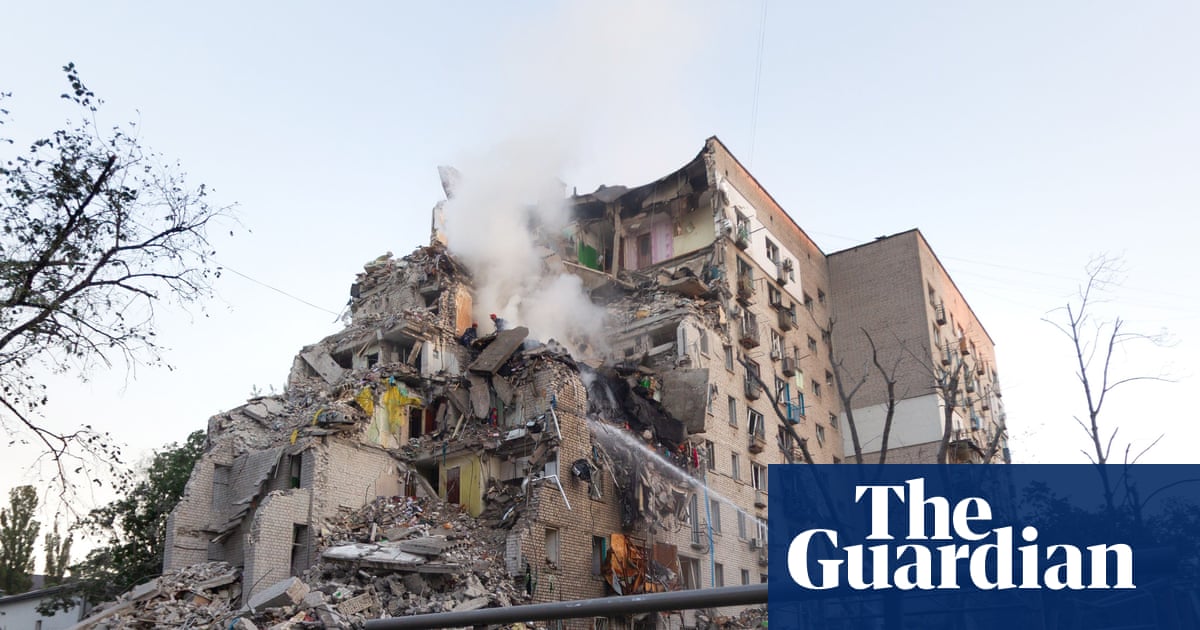
A Russian missile-and-drone attack on Kyiv killed at least 30 people and injured more than 90, prompting President Volodymyr Zelensky to seek U.S. help to produce or secure Patriot interceptor missiles.
Russia’s overnight missile-and-drone attack on Kyiv killed at least 30 people and injured more than 90, according to reports published on July 3, as President Volodymyr Zelensky renewed his push for U.S. help on Patriot interceptor missiles.
The strike was described as one of the largest of the war. Reporting said it involved ballistic missiles and a large drone wave, overwhelming the capital’s defenses despite the interception of most incoming weapons.
Zelensky’s response focused on Ukraine’s long-running shortage of air-defense interceptors. He appealed for a deal that would let Ukraine produce Patriot missiles domestically or in cooperation with the United States, or otherwise secure more of the interceptors needed to defend major cities.
The Kyiv barrage
The attack hit Kyiv overnight and sent residents into shelters across the capital. More than 55,000 people reportedly took refuge in metro stations during the assault.
Local reporting said the city faced a wave of missiles and drones, including 28 ballistic missiles. Kyiv officials and outlets reported heavy casualties as rescue crews worked through the damage.
The casualty figures remained fluid as emergency work continued. One report put the death toll at at least 30, while another cited at least 27 killed, reflecting the difficulty of confirming numbers during active recovery operations.
The human cost was immediate. Civilians were killed and scores more were injured, adding to the toll from Russia’s repeated strikes on urban areas in Ukraine.
Damage extended beyond homes and shelters. A major publisher said a warehouse was destroyed in the attack, with roughly 800,000 books lost.
Zelensky’s air-defense appeal
Zelensky framed the strike as evidence that Ukraine needs more protection against Russian aerial attacks, especially from Patriot systems and the interceptors those systems use.
His request was not limited to more missiles for immediate use. Reporting says he wants a U.S.-backed arrangement for domestic or joint production of Patriot interceptors, which would address both present shortages and Ukraine’s need for a more durable supply line.
That matters because Patriot missiles are among the few systems capable of countering some Russian ballistic threats. Production and stockpiles are tight globally, leaving Ukraine dependent on outside partners for resupply.
Ukraine has repeatedly asked allies for more air-defense capacity because Russian missile and drone attacks can quickly outpace available interceptors. The latest barrage sharpened that pressure again.
Wider stakes
Ukraine’s air defenses were reported to have intercepted most of the drones and missiles, but the scale of the attack still overwhelmed the city. The barrage reinforced how vulnerable major population centers remain when Russia concentrates fire on one target.
Russian officials framed the strike as retaliation for Ukrainian drone attacks on Russian infrastructure. Ukrainian reporting and officials presented it as a mass attack on Kyiv that struck civilians and critical urban spaces.
For Kyiv residents, the attack meant another night in shelters and another reminder that the capital remains under sustained threat. It also raised the stakes for emergency services, civil-defense systems and the country’s already stretched air-defense network.
The strike also touched the city’s publishing sector, underscoring how war damage spreads beyond military targets. The loss of a warehouse and hundreds of thousands of books added a cultural cost to the human casualties.
What comes next
The immediate unanswered question is whether Washington will respond publicly to Zelensky’s request and whether any deal would involve licensed production, direct transfers or a mixed supply plan.
Follow-up reporting may still revise the casualty figures or clarify the exact scale of damage across Kyiv. Additional details could also emerge on the condition of buildings, infrastructure and the warehouse loss.
What is already clear is that the strike has pushed air-defense resupply back to the center of the war’s agenda. For Ukraine, the ability to intercept Russian ballistic missiles remains one of the most urgent military and political questions.
The next test will be whether allies can turn that urgency into additional missiles, expanded production or both.
Revision note
Initial automated publication.